


The Truth About Squat Form: Why Anatomy Matters More Than Gender
Anyone who has searched for squat advice has run into the same conflicting noise.
"Women should squat wider."
"Men should squat narrow."
"Knees should never go past the toes."
"Stay perfectly upright the whole time."
Here's the truth: there's no single squat that works for everyone.
Squat form is shaped far more by anatomy, mobility, and body proportions than by gender. Two lifters can both have excellent technique and still look completely different doing the same movement.
Understanding that one fact can save years of frustration. Instead of copying someone else's squat, lifters can build one that actually fits their body and lets them keep progressing.
Why Everyone's Squat Looks a Little Different
One of the most persistent myths in strength training is that there's a universal "correct" squat. In reality, experienced coaches expect people to squat differently from one another.
That's because every lifter brings their own combination of:
- Hip anatomy
- Femur length
- Torso length
- Ankle mobility
- Past injuries
- Training experience
- Personal movement preferences
The goal was never to make everyone's squat identical. The goal is a squat that allows safe, consistent, and progressively heavier loading over time.
The Biggest Myth: Men and Women Need Different Squat Form
Plenty of well-meaning advice sounds like this:
- Women should squat wider.
- Men should squat narrow.
- Women naturally squat deeper.
- Men should lean forward more.
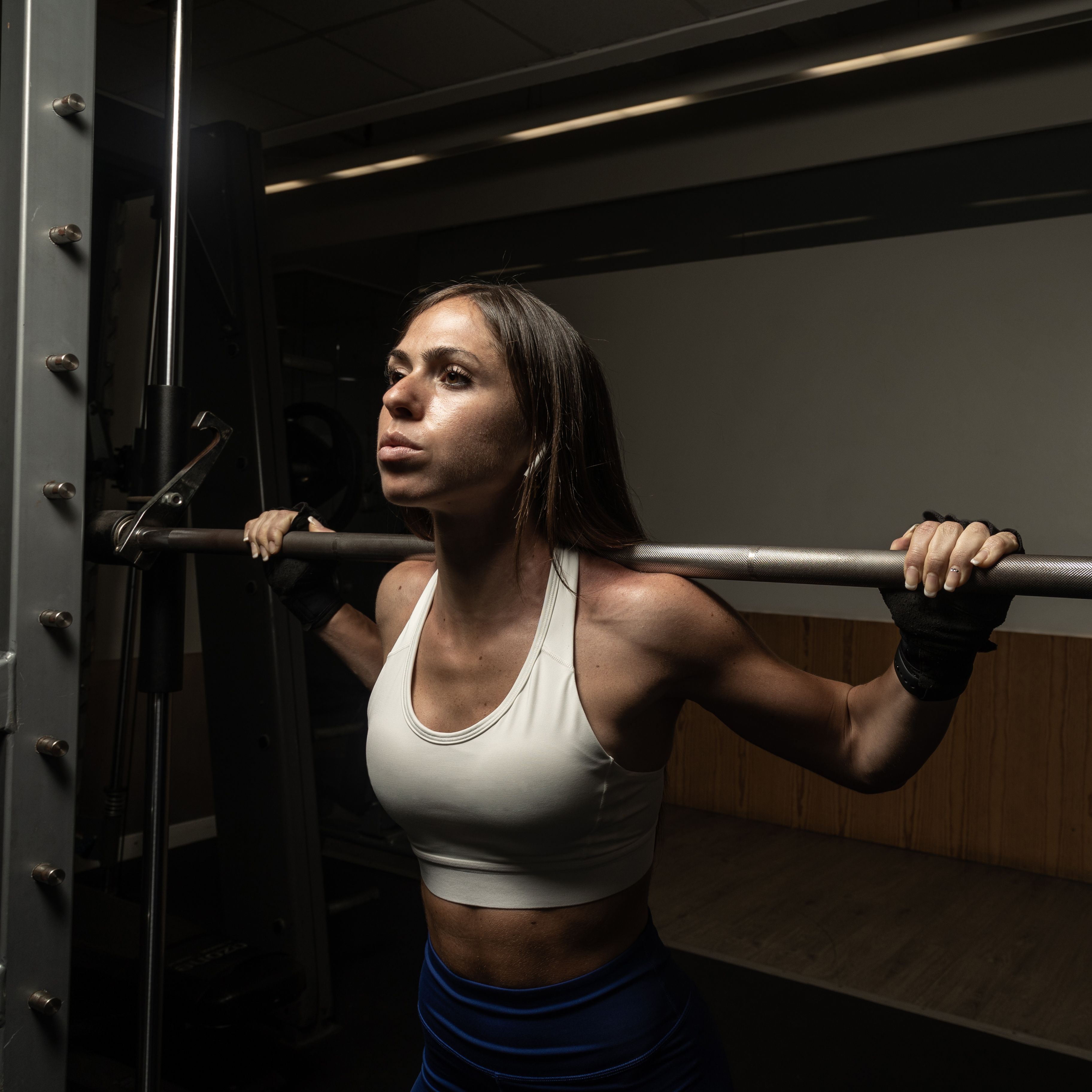
Average anatomical differences between men and women do exist. But averages don't dictate how any one individual should squat.
Consider this:
- Two women can have completely different hip structures.
- Two men can have wildly different femur lengths.
- A woman may naturally squat narrow and upright.
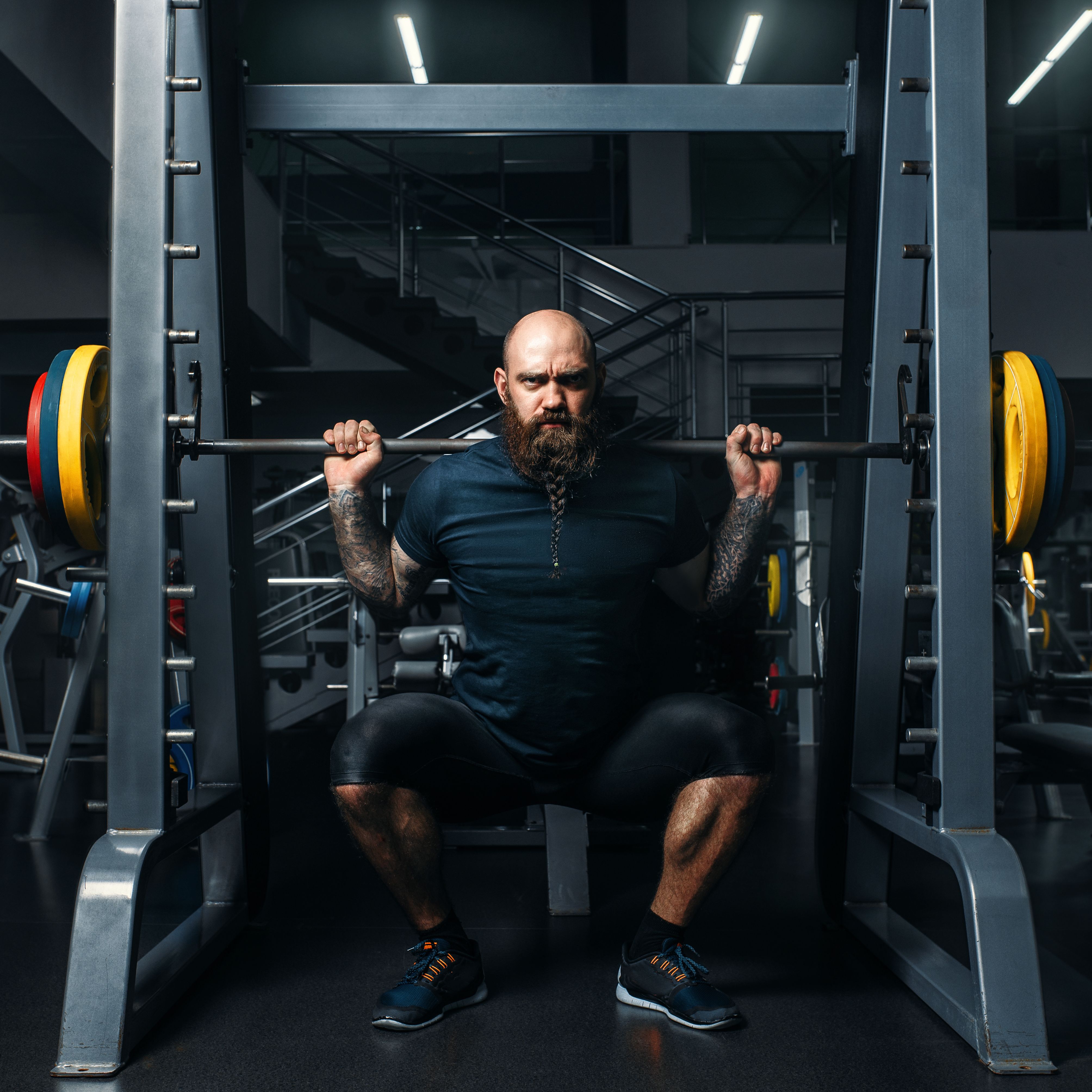
- A man may feel strongest with a wide stance and more forward lean.
So the better question was never "how should men squat" or "how should women squat." It's simply: how does this particular body move most efficiently?
Anatomy Plays the Biggest Role
Hip Anatomy
The hip socket (acetabulum) and the angle of the femur determine how comfortably the hips move through a squat.
Some people naturally rotate outward more. Others rotate inward more. That's why one lifter feels strongest with toes pointed out, while another feels better with toes nearly straight ahead. Neither one is wrong.
Femur Length
This might be the single biggest factor affecting squat mechanics.
People with longer femurs often:
- Lean farther forward
- Prefer a slightly wider stance
- Feel better sitting back into the squat
People with shorter femurs often:
- Stay more upright
- Reach depth more easily
- Feel comfortable with a narrower stance
This is exactly why trying to copy a favorite fitness influencer's squat rarely works. Their leverages simply aren't the same.
Torso Length
Torso length works hand in hand with femur length.
A long torso paired with short femurs usually stays very upright. A short torso paired with long femurs naturally leans forward more.
That forward lean isn't a form breakdown. It's physics.
Ankle Mobility
Limited ankle mobility changes squat mechanics fast. If the ankles can't move forward enough, the body compensates somewhere else, which can show up as:
- Heels lifting off the floor
- Knees caving inward
- Excessive forward lean
- Trouble reaching depth
Working on ankle mobility helps, and some lifters also benefit from lifting shoes or heel wedges depending on their goals.
Stop Comparing Every Squat to Instagram
Social media has convinced a lot of people that there's one "perfect" squat to chase. Usually it belongs to someone who is extremely mobile, wearing Olympic lifting shoes, built with ideal leverages, and filmed at a flattering angle.
That doesn't mean everyone else's squat should look the same.
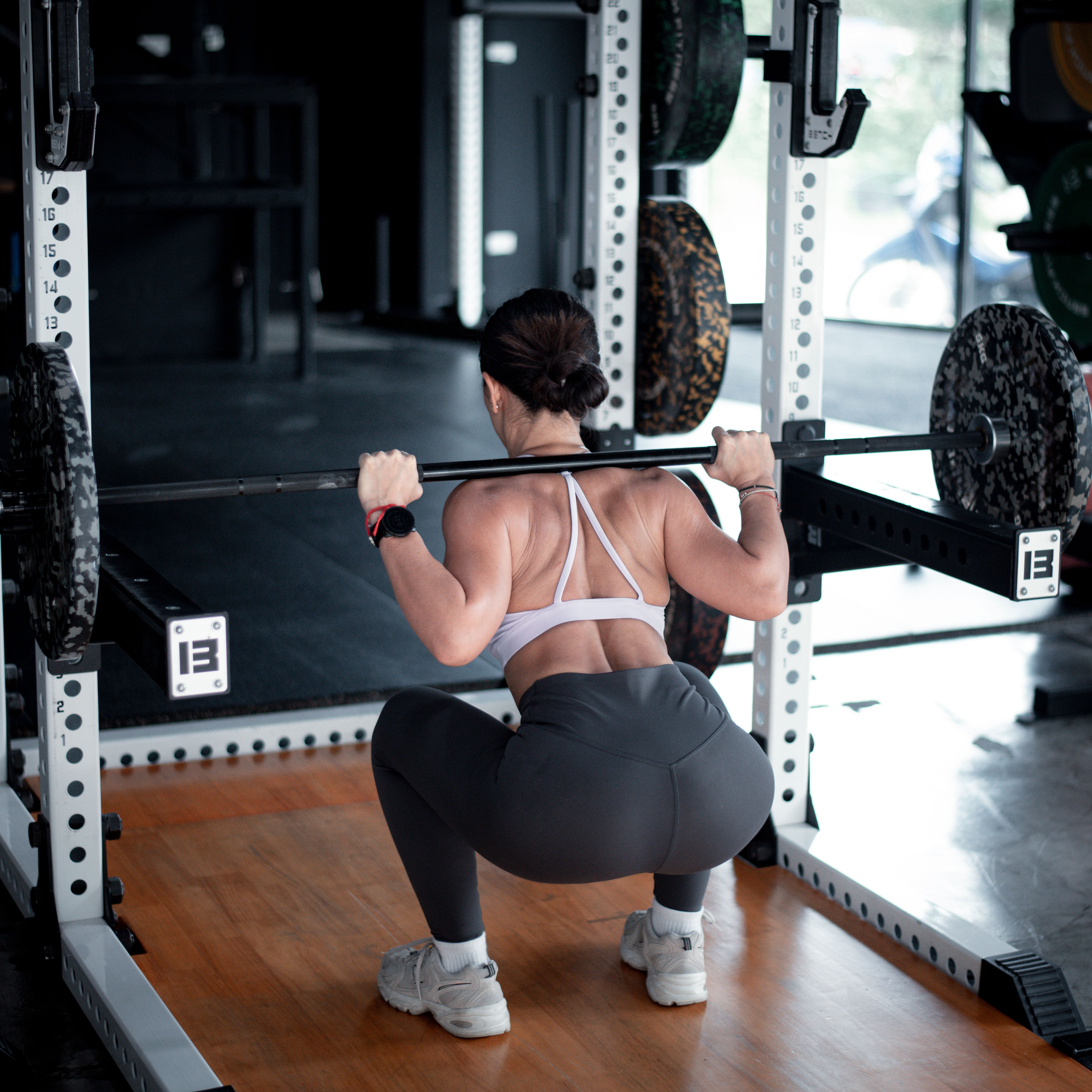
Watch ten elite powerlifters squat and there will be ten different stances, toe angles, torso positions, bar paths, and depths. They're all moving incredible weight anyway, because each one is squatting in a way that fits their own anatomy.
What Actually Makes a Good Squat
Instead of chasing a specific look, these fundamentals matter far more.
1. A stable foot. Picture a tripod made of the big toe, little toe, and heel. Pressure should stay through all three throughout the entire lift.
2. A solid brace before descending. Filling the abdomen with air before each rep creates stability through the torso, so the spine stays steady while the hips move around it.
3. Knees that move naturally. The old cue "knees should never go past the toes" refuses to die, but it's simply not accurate. Healthy knees are built to travel forward during many squat variations. How far depends on limb length, foot position, mobility, and which squat is being performed. Fighting to hold the knees back often creates worse mechanics elsewhere.
4. Depth that fits the individual. "Ass to grass" isn't mandatory. Ideal depth is the deepest position a lifter can reach while maintaining balance, spinal control, hip control, and comfort. For some, that's below parallel. For others, it's parallel. Both can build real strength and muscle.
5. Control over speed. A controlled descent helps maintain balance and positioning, followed by standing up with intent. Consistency beats speed every time.
Finding the Right Squat Stance
A common question is simply: how wide should the stance be?
Here's a simple way to find out.
- Stand about shoulder-width apart.
- Point the toes slightly outward.
- Perform several bodyweight squats.
- Adjust gradually wider or narrower.
- Settle on whichever position feels strongest and most comfortable.
The right stance allows someone to stay balanced, reach good depth, keep their feet planted, and produce real power. There's no prize for squatting exactly like anyone else.
Different Squat Variations Fit Different Bodies
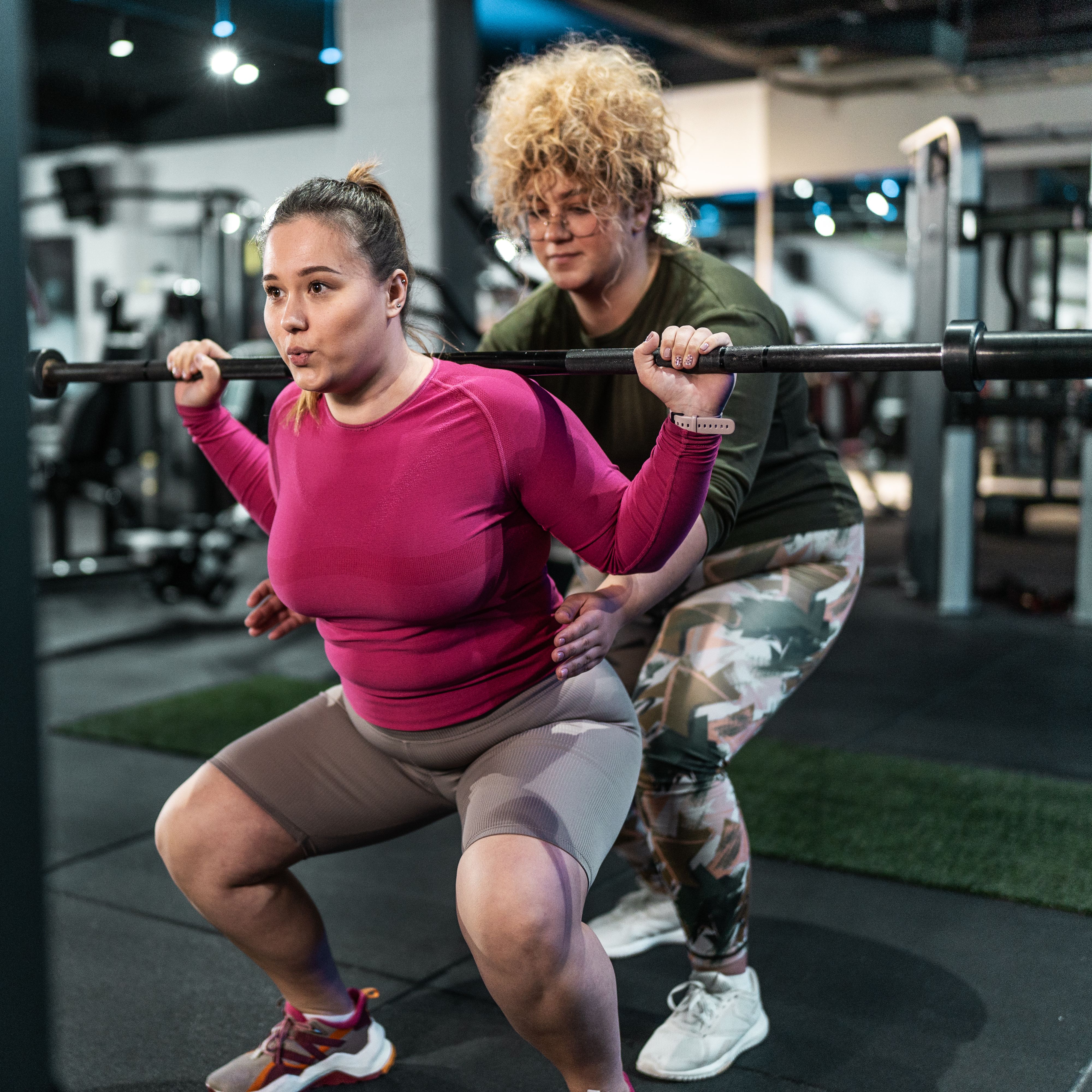
One common mistake is assuming every squat variation suits every body equally well. Sometimes the smarter move is changing the exercise instead of forcing better technique on the wrong one.
High bar squat. Often comfortable for general strength, hypertrophy, and lifters with good ankle mobility. Tends to encourage a more upright torso.
Low bar squat. A common choice for powerlifting, longer femurs, and moving heavier loads. Usually comes with more forward lean, and that's expected.
Front squat. Great for quad development, upright posture, and Olympic lifting. It does demand more upper-body and ankle mobility.
Goblet squat. A strong choice for beginners learning mechanics, improving positioning, and building confidence. The front-loaded weight naturally encourages good balance.
Box squat. Useful for learning hip control, building strength through specific ranges of motion, and returning from certain injuries under professional guidance.
What If Squats Never Feel Right?
Not everyone is built to back squat comfortably, and that's completely okay. Plenty of people make excellent progress with:
- Safety bar squats
- Hack squats
- Bulgarian split squats
- Leg press
- Belt squats
- Smith machine squats
The best exercise is whichever one can be performed consistently with good technique while strength keeps improving. That matters far more than forcing a movement the body simply doesn't like.
Progressive Overload Matters More Than Perfect Form
Plenty of people spend months chasing the "perfect" squat and never actually get stronger in the process.
The bigger driver of long-term results is progressive overload. Once technique becomes consistent, gradually increasing workload over time is what actually drives muscle growth and strength gains. That doesn't mean adding weight every single workout. Progress can also show up as better technique, more repetitions, additional sets, improved range of motion, or simply more consistent training.
FitnessAI is built around this exact principle. Rather than guessing when it's time to add weight, the app adjusts workouts based on real performance. Completing the prescribed sets and reps often means the next workout progresses accordingly, and because those changes are explained, users understand why their program is evolving instead of feeling like the app is making random decisions. That transparency is a core part of how FitnessAI approaches progressive overload.
Stop Chasing Perfect. Start Chasing Consistent.
Most people don't actually need a brand-new squat technique. They need consistency.
FitnessAI users consistently point to one benefit above the rest: it removes the guesswork from training. Instead of wondering what to lift next or whether progress is even happening, they can open the app and follow the workout in front of them. In a February 2026 survey of more than 1,000 users, "AI workout recommendations," "progressive weight suggestions," and "exercise tutorials" ranked among the most valued features, and many users described eliminating guesswork as the app's single biggest advantage.
If today's squat feels a little better than last month's, that's progress. If strength keeps climbing while staying pain-free, that's success.
Anatomy isn't a limitation. It's simply the starting point.
The goal was never to squat like everyone else. It's to squat well for one's own body.
Frequently Asked Questions
Should women squat differently than men?
Not necessarily. Individual anatomy, mobility, limb proportions, and training experience influence squat mechanics far more than gender alone. Average anatomical differences exist, but there isn't one "male" or "female" squat style.
Does femur length affect squat form?
Yes. Longer femurs often mean more forward lean and a slightly wider stance, while shorter femurs often allow for a more upright position. Both can produce excellent squat technique.
How wide should a squat stance be?
A good starting point is shoulder width, adjusted based on what feels stable and comfortable. The ideal stance depends on hip anatomy, mobility, and individual proportions.
Is it okay if the knees go past the toes?
For most healthy lifters, yes. Knee travel is a normal part of many squat variations, and how much depends on anatomy and the specific squat being performed.
What is the best squat variation?
The best squat is whichever one can be performed consistently with good technique while strength keeps improving. That might be a back squat, front squat, goblet squat, hack squat, or another variation entirely, depending on what fits the individual.
Build Strength Around the Body, Not Someone Else's
A squat doesn't have to look like anyone else's to be effective. The strongest training plans are built around individual bodies, individual experience, and individual progress.
That's exactly the philosophy behind FitnessAI. Workouts adapt to performance, available equipment, and schedule, cutting down on second-guessing and leaving more time for actually getting stronger. Open the app, follow the plan, and let the data handle the heavy lifting.
Download FItnessAI TODAY!
Alyssa Gonzalez
