


The Science of Warm-Ups: Do You Really Need Them?
Walk into any gym and you'll see the same two extremes play out on repeat.
Someone in the corner is foam rolling, stretching, and activating every muscle group for a solid 20 minutes before they've touched a single weight. Meanwhile, someone else strolls in, loads the bar, and starts squatting cold.
So which one has it right?
Turns out, neither extreme is the answer. The truth sits somewhere in the middle.
A proper strength training warm-up isn't about working up a sweat or torching calories before the "real" workout even starts. It's about getting the body and nervous system ready to lift safely and perform well. And the encouraging part is that it usually takes a lot less time than most people assume.
For anyone focused on building muscle, getting stronger, or simply staying injury-free, here's what the research actually says.
What Is a Strength Training Warm-Up, Really?
At its core, a strength training warm-up is just a short sequence of movements meant to prep the body for what's coming.
Its job is to:
- Increase blood flow to the muscles about to be worked
- Raise body temperature slightly
- Improve joint mobility
- Activate the muscles that are about to do the heavy lifting (literally)
- Prime the nervous system to produce force
Basically, the point is to get the body performance-ready, not to tire it out before the workout has even begun.

So, Is Warming Up Actually Necessary?
Yes. Though probably not in the way most people were taught to think about it.
Research consistently shows that a well-designed warm-up can:
- Improve strength and power output
- Boost movement efficiency
- Reduce stiffness
- Widen range of motion for the exercises ahead
- Lower injury risk by improving overall movement quality
The payoff is biggest right before heavy compound lifts like:
- Squats
- Deadlifts
- Bench press
- Overhead press
- Rows
- Pull-ups
Anyone planning to move serious weight will likely notice a real difference after just a few minutes of preparation.
What Actually Happens When a Warm-Up Gets Skipped?
Skipping a warm-up here and there won't automatically lead to injury. Plenty of experienced lifters have walked in and started cold without any issue.
The real problem shows up with consistency.
Without properly preparing the muscles and joints, a few things tend to happen:
- The first working sets feel unusually heavy
- Technique feels shakier and less controlled
- It takes several extra sets just to feel "ready"
- Overall performance takes a hit throughout the session
Here's the irony: lifters who skip the warm-up often end up burning through a few heavy sets just trying to get comfortable, which, in the end, usually eats up more time than a proper warm-up would have in the first place.
Static Stretching vs. Dynamic Warm-Ups
One of the most common mix-ups in the gym is treating stretching and warming up as the same thing.
They're not.

Static Stretching
Static stretching means holding a single stretch for 20 to 60 seconds. Think:
- Toe touches
- Standing hamstring stretch
- Quad stretch
- Chest doorway stretch
Holding long static stretches right before heavy lifting can actually blunt maximal strength and power output a bit.
That doesn't mean static stretching is off-limits, it's just better suited for:
- After a workout
- Recovery days
- Building long-term flexibility over time

Dynamic Warm-Ups
Dynamic warm-ups, on the other hand, are all about movement. Think:
- Walking lunges
- Bodyweight squats
- Leg swings
- Arm circles
- Hip openers
- Band pull-aparts
These movements get the blood flowing while prepping the exact joints and muscles that are about to be put to work.
For strength training specifically, dynamic movement is generally the smarter choice before lifting.
How Long Does a Warm-Up Actually Need to Be?
Good news for anyone short on time: it doesn't need to eat up half an hour.
For most workouts, five to ten minutes does the job.
The goal isn't to walk away drenched in sweat, it's simply to feel ready to lift.
That matters even more for early-morning sessions, lunch-break workouts, or anyone squeezing a training session into an already packed day. A warm-up should help someone get into their workout faster, not become one more obstacle standing between them and the gym.
FitnessAI is built around that exact idea. Whether someone has five minutes or a full 30-minute session to spare, the app adjusts the workout to fit the time actually available, which makes staying consistent a whole lot easier, even on the busiest days.
A Simple Warm-Up Framework for Most Strength Workouts
There's no need to overcomplicate this. Here's a simple, three-step framework that covers the basics.
.png)
Step 1: Raise the Heart Rate (2–3 Minutes)
Pick one:
- Walking on the treadmill
- Easy rowing
- Stationary bike
- Jump rope
Keep the intensity light, the only goal here is to get warm.
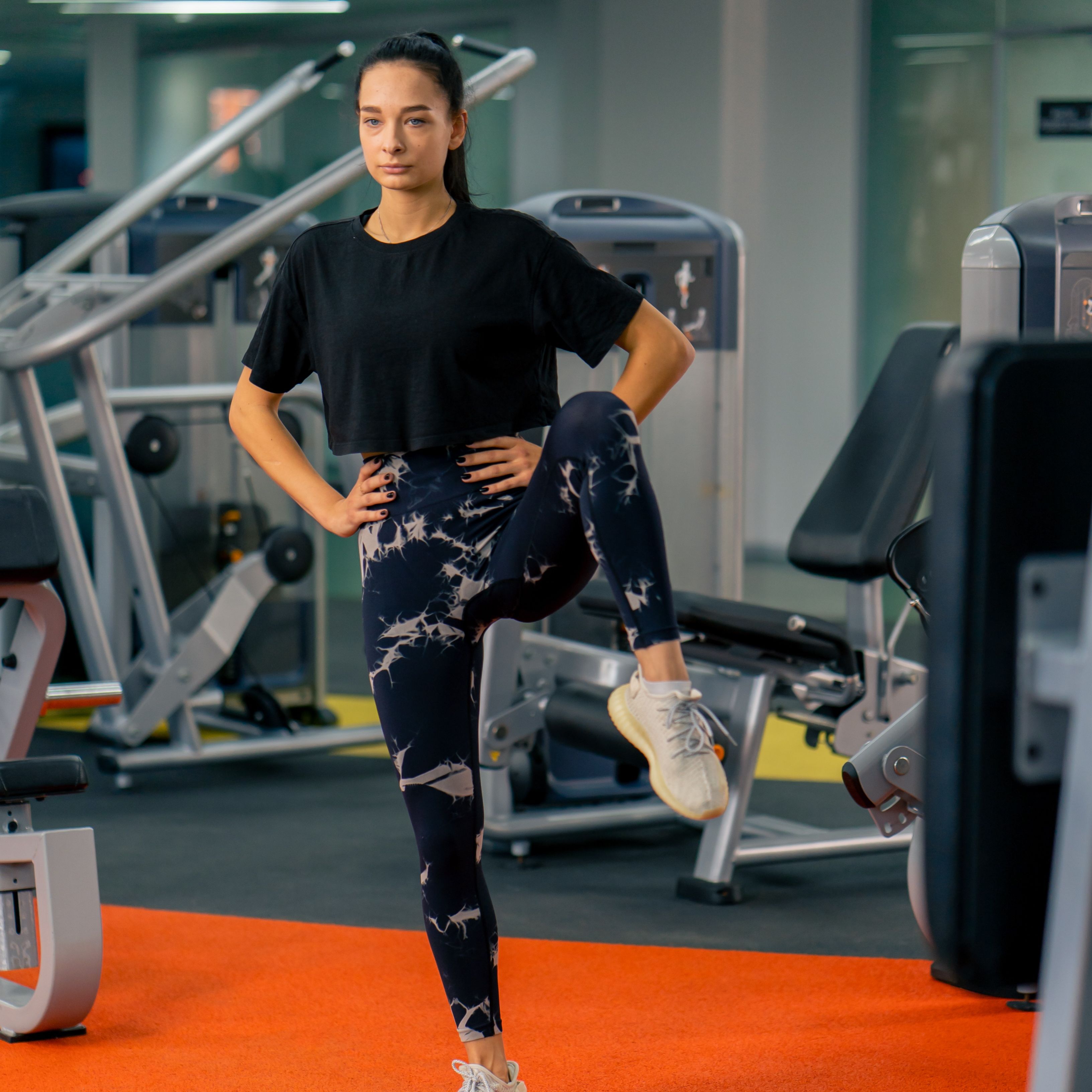
Step 2: Dynamic Mobility (2–3 Minutes)
Focus on whatever joints are about to be used.
For lower body:
- Leg swings
- Hip circles
- Walking lunges
- Bodyweight squats
For upper body:
- Arm circles
- Band pull-aparts
- Shoulder dislocates
- Scapular push-ups

Step 3: Warm-Up Sets (The Most Important Part)
Before the first heavy lift, the weight should build up gradually.
For example, if the working weight is a 185 lb squat:
- Empty bar × 10
- 95 × 5
- 135 × 3
- 165 × 2
- Then begin the working sets
This is the step where the body actually becomes prepared for heavier loads, skipping it is skipping the whole point.
Does the Warm-Up Change Depending on the Workout?
Absolutely, a warm-up should always match the session ahead.
Lower Body DayFocus on hips, ankles, glutes, and hamstrings.
Upper Body DayFocus on shoulders, upper back, rotator cuffs, and chest mobility.
Full Body WorkoutA combination of both, kept brief and efficient.
A good warm-up should feel like the opening chapter of the workout, not a separate workout tacked on beforehand.
Common Warm-Up Mistakes Worth Avoiding
Doing too much cardio. Running hard for 20 minutes before lifting can leave someone fatigued before the actual workout even starts. Cardio should stay light and short.
Stretching everything. There's no need to stretch every muscle every single session. The focus should be on movement, not a marathon stretching routine.
Skipping warm-up sets. Plenty of lifters jump straight from an empty bar to their working weight. Gradually building up the load gives both the muscles and the nervous system time to catch up.
Copying someone else's routine. A warm-up should prepare that specific person's workout. A powerlifter, a bodybuilder, and a beginner don't necessarily need the same routine.
What About When Time Is Tight?
This comes up constantly: is a two-minute warm-up even worth doing?
Short answer, it's still far better than skipping it entirely.
When time is limited, a quick version might look like:
- One minute of light movement
- One minute of dynamic mobility
- A few progressively heavier warm-up sets
Then straight into the workout.
Progress beats perfection every time. The best warm-up is the one that actually gets done consistently, not the "perfect" one that gets skipped half the time.
.png)
Warm-Ups Matter Even More With Experience
Here's an interesting twist: beginners often stress the most about warming up properly, but experienced lifters actually benefit even more from it.
As the weights go up:
- The joints absorb greater forces
- The nervous system has to recruit more muscle fibers
- Small technique errors become a lot more costly
That's exactly why stronger, more experienced lifters tend to spend more time preparing for their first heavy movement, all while keeping the overall warm-up efficient and purposeful.
Once the Warm-Up Is Done, the Hard Part Is Over
After a proper warm-up, the hardest part of the session should already be behind them.
There shouldn't be any lingering questions like:
- Which exercise comes next?
- How much weight should be used?
- Should another set get added?
- Is progress happening fast enough?
That's where having real structure makes all the difference.
FitnessAI takes those decisions off the table entirely by automatically adjusting sets, reps, and weights based on previous performance. Hit every rep last week? The next workout reflects that. Coming off a tougher week? The plan adapts accordingly. It's not just about warming up well, it's about continuing to make progress without having to redesign the entire program every single session.
The Bottom Line
Warm-ups matter, but they don't have to be complicated.
A good warm-up should:
- Prepare the muscles
- Improve movement quality
- Set up better performance
- Take roughly five to ten minutes, no more
Once the body is warmed up, the rest of the workout should feel like it's already flowing.
Show up. Body's ready. Plan's already waiting.
For anyone looking for a simpler way to stay consistent, FitnessAI takes care of everything that comes after the warm-up. Workouts adapt to performance, available equipment, and schedule, which means less time spent planning and more time spent actually getting stronger, because progress should be predictable, not something anyone has to guess at.
Frequently Asked Questions
Is a warm-up necessary before every strength workout?
Yes. Even a short five-to-ten-minute warm-up helps prepare the muscles, joints, and nervous system for lifting.
Is stretching before lifting a bad idea?
Not necessarily. Dynamic stretching is generally the better choice before strength training, while longer static stretches are best saved for after the workout or on recovery days.
How long should a warm-up be before lifting weights?
Most people only need five to ten minutes total, including light cardio, dynamic movement, and warm-up sets.
What's the best warm-up before weightlifting?
The best approach combines light movement to raise the heart rate, dynamic mobility exercises, and progressively heavier warm-up sets leading into the first compound lift.
Is it okay to skip a warm-up when short on time?
A shorter warm-up is always better than skipping it altogether. Even two to five minutes of movement plus a few lighter sets can noticeably improve performance and comfort during the workout.
Download FitnessAI NOW!
Alyssa Gonzalez
