


Is 30 Minutes Enough? The Science Behind Shorter Workouts
You finally carve out 30 minutes to train. Then the doubt creeps in: is that even enough to make a difference?
It’s a fair question. Between work, family, and everything else on the calendar, an hour at the gym isn’t always realistic. And when time is tight, it’s easy to assume a short workout isn’t worth it.
Here’s the good news. Thirty minutes is enough to build muscle, get stronger, and improve your fitness. What matters is how you use those minutes, how often you show up, and whether your workouts get a little harder over time.
Can You Really Build Muscle in 30 Minutes?
Yes. Muscle growth doesn’t depend on how long you stay at the gym. It depends on how many challenging sets you do each week, how hard those sets are, whether you gradually increase the challenge, how well you recover, and how consistently you repeat the process.
Notice that “spend an hour” isn’t on that list.
A 2017 meta-analysis by Schoenfeld and colleagues found that more weekly training volume generally leads to more muscle growth, with diminishing returns along the way. The key word is weekly. A 2019 follow-up found that when total weekly volume was the same, training frequency didn’t meaningfully change results.
In plain terms, you don’t have to cram every set into one marathon session. Three focused 30-minute workouts spread across the week can add up to real, productive training.
There is one catch. If shorter sessions mean you’re doing far less total work week to week, progress can eventually stall. Short workouts work when the time is spent well.
30 Minutes vs. an Hour: What’s the Real Difference?
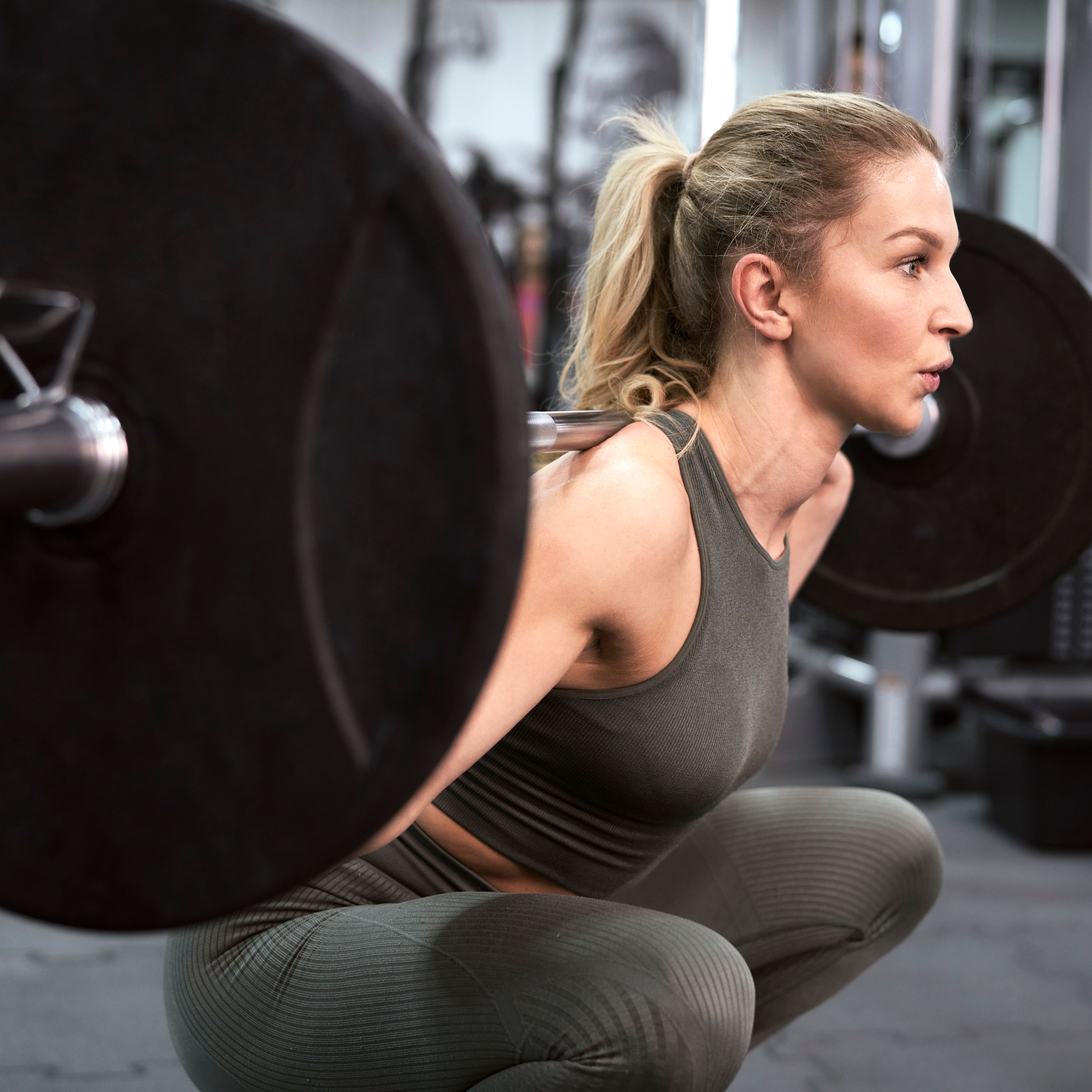
If two workouts include the same exercises, effort, and rest, the shorter one can produce similar results. An hour mostly buys you more room: more sets, more accessory work, and more recovery between heavy lifts.
That extra room matters most for experienced lifters chasing specific bodybuilding or powerlifting goals, or anyone running high volume with heavy compound lifts that need long rest periods.
For most people, the bigger factor is whether they’ll actually do it. A perfect 60-minute program doesn’t help much if it only happens once every two weeks. Three 30-minute sessions you can repeat week after week will usually win.
How to Get More Out of 30 Minutes
Build around compound lifts
Compound exercises train several muscles at once, which makes them ideal when time is short. Squats, Romanian deadlifts, bench presses or push-ups, rows, and overhead presses cover most of the body between them.
A session built around squats, rows, and bench presses does far more than 30 minutes of curls. Isolation work still has its place. It just shouldn’t come first when the clock is running.
Progress instead of piling on exercises
More exercises don’t automatically mean better results. Repeating the same movements and slowly getting better at them is usually more effective.
That’s progressive overload: gradually asking a little more of your muscles as they adapt. You can add weight, add reps, add a set when it makes sense, or improve your technique and range of motion.
Say you bench 25-pound dumbbells for 8 reps one week. The next week, you get 10 reps with the same weight. After that, you move up to 30 pounds for 8 reps, then work back up to 10. Progress won’t always come that neatly, but that’s the idea.
This is where FitnessAI takes out a lot of the guesswork. Instead of tracking every number by hand and wondering if you’re ready to go heavier, FitnessAI uses your workout history and performance to adjust your recommended weights, reps, and sets. If you’ve been hitting your reps, the next session reflects that. If your performance suggests you should hold steady or back off, the plan adjusts too.
The workout stays short. The progression keeps moving.
Don’t rush your rest
When you’re racing the clock, cutting rest seems like an easy fix. But rest is what lets you lift well on the next set.
A good starting point is about 2 to 3 minutes for heavy compound lifts, 1 to 2 minutes for moderate-load work, and 60 to 90 seconds for smaller isolation moves. Research suggests rest periods longer than 60 seconds may offer a small benefit for muscle growth, partly because they help you maintain performance.
If you’re gasping for air and your lifts are falling apart, you’ve probably turned a strength session into a cardio session without meaning to.
Use supersets wisely
Supersets pair two exercises back to back with little rest in between. They save time, especially when the moves don’t compete for the same muscles, like a dumbbell bench press with a dumbbell row, or curls with triceps extensions.
They’re less ideal for heavy compound lifts where strength and technique come first. Use them to train smarter, not just to make the session feel harder.
Cut the planning time
Having 30 minutes isn’t the same as training for 30 minutes. Spend the first 10 picking exercises, checking old weights, and hunting for open equipment, and suddenly it’s a 20-minute workout.
FitnessAI is built to solve exactly this. You choose a workout length between 5 and 30 minutes, and FitnessAI builds a session around your time, goals, and equipment. Training at home with only dumbbells instead of at your usual gym? The workout adapts. Someone camped on the machine you need? Smart exercise substitutions keep you moving without redesigning the session yourself.
You still bring the effort. You just don’t burn half your time figuring out what to do.

What a Good 30-Minute Workout Looks Like
Here’s a simple full-body example for someone with basic gym equipment.
Start with about 4 minutes of light movement and a few warm-up sets. Then do 3 sets of 8 to 10 goblet squats, 3 sets of 8 to 10 dumbbell bench presses, and 3 sets of 10 to 12 seated cable rows. Give each exercise roughly 8 minutes, and use the last couple of minutes to log your results.
Choose weights that let you control every rep. If you need a longer warm-up or more rest, take it, even if the session runs a few minutes over.
That’s three exercises covering most of the major muscle groups, with a clear chance to improve next time. Another day might feature Romanian deadlifts, overhead presses, and lat pulldowns instead. You don’t need to hit every muscle from every angle in one session. You just need your week to cover your priorities.
How Many 30-Minute Workouts Per Week?
For most adults, three or four sessions a week is a practical place to start.
Beginners can build a solid foundation with two or three full-body workouts, which works out to about 60 to 90 minutes a week. Intermediate lifters often do well with three or four sessions. Advanced lifters can still train short, but may need four or five sessions, or the occasional longer one, to get enough volume for their goals.
Think of these as starting points, not rules.
So is three times a week enough? For building strength and muscle, yes. That’s 90 minutes of strength training, which covers the CDC’s recommendation of muscle-strengthening activity at least two days a week.
One note: the CDC also recommends 150 minutes of moderate aerobic activity (or 75 minutes of vigorous activity) each week. Strength sessions don’t automatically check that box, so walking, cycling, or other cardio still deserves a spot in your routine.
Why Shorter Workouts Help You Stay Consistent
Consistency drives long-term progress, and short workouts make consistency much easier.
In FitnessAI’s February 2026 survey of 1,063 users, 33.4% named time as a barrier to working out consistently, more than any other option. Work schedules, low energy, and shifting routines also came up often.
Those aren’t motivation problems. They’re real life. A good program has to account for jobs, families, and days when nothing goes to plan.
That’s why flexible workout lengths matter. Have 30 minutes today? Do a full, focused session. Only have 15 tomorrow? Do fewer exercises instead of skipping entirely. FitnessAI adjusts its recommendations to whatever time you select, so the structure holds even when your schedule doesn’t.
Even 10 or 15 minutes counts. A few hard sets of squats and rows won’t replace a full workout, but they still add to your week. A short session doesn’t need to do everything. It just needs a purpose.
How to Tell If It’s Working
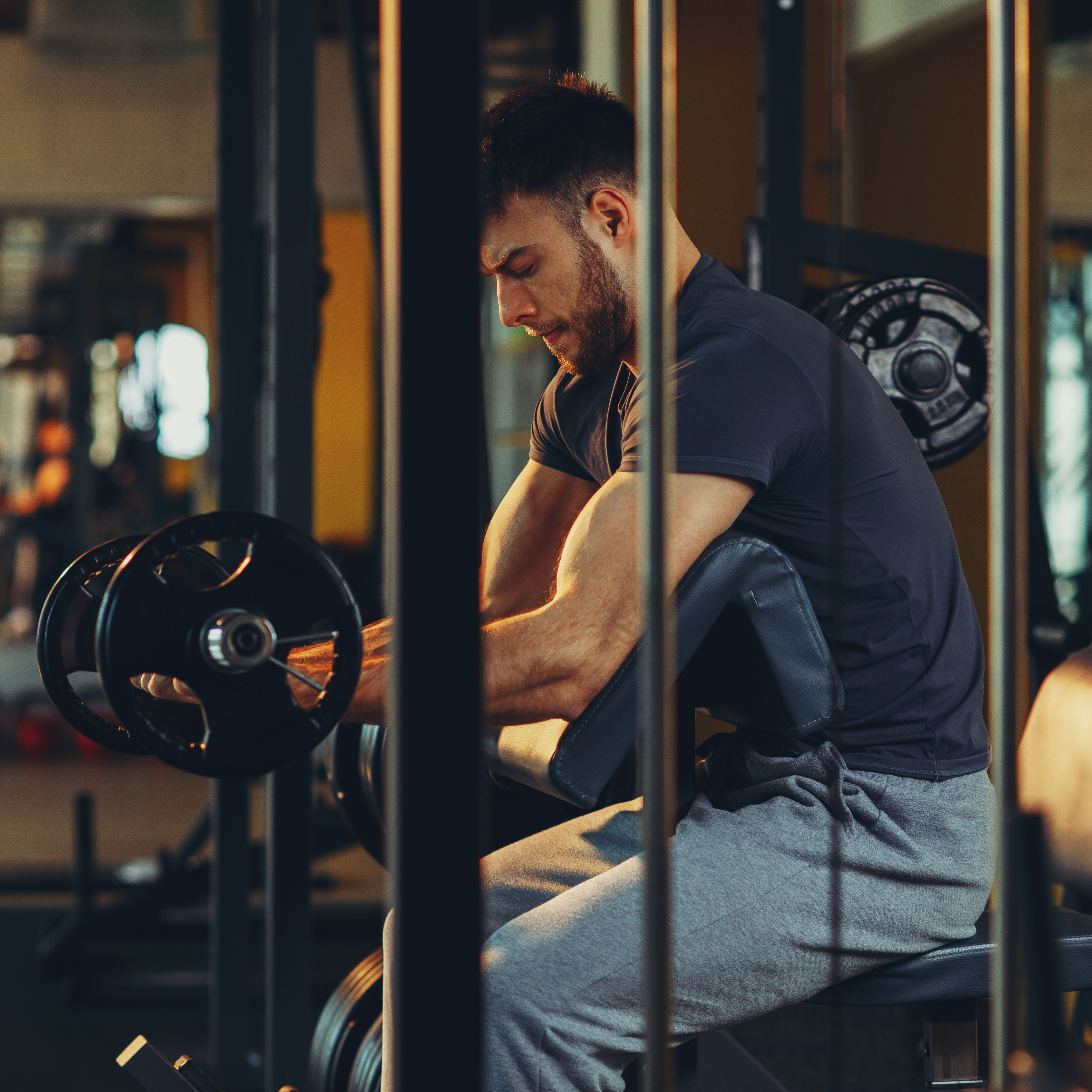
Don’t judge a workout by how wrecked you feel afterward. Judge your program by whether your performance improves over time.
Good signs include lifting more weight, getting more reps at the same weight, smoother technique, recovering well between sessions, and simply showing up regularly instead of constantly starting over.
Progress won’t come every session, and that’s normal. Your body adapts over weeks and months.
FitnessAI makes those changes easier to spot by tracking your performance and adjusting future sessions based on your history. Its recovery-aware adjustments factor in fatigue and previous training, so the goal isn’t just to add weight every time you open the app. And BodyScan offers visual progress tracking, which helps when muscle changes aren’t obvious on the scale.
Give your program several weeks before deciding whether it’s working.
Quick Answers to Common Questions
Can 30-minute strength workouts help with fat loss?
Yes. They help you keep or build muscle while improving overall fitness. Fat loss still comes down mostly to energy balance, so nutrition, daily movement, and recovery matter too. A workout doesn’t need to torch a certain number of calories to count.
Can you build muscle working out 30 minutes a day?
Yes, but you don’t need to lift every day. Training the same muscles hard on back-to-back days can get in the way of recovery. Three or four well-planned sessions a week works for most people.
Is a 20-minute workout still effective?
Yes. With less time, exercise choice matters even more. Focus on a few productive movements rather than squeezing an hour-long routine into 20 minutes.
Is 30 minutes every day better than an hour three times a week?
Neither wins automatically. Longer sessions allow more volume per workout, while shorter ones are easier to spread across the week. Pick the schedule you can stick with and recover from.
How long until you see results?
Beginners often feel stronger and move better within a few weeks. Visible muscle growth usually takes several weeks to months. Track your performance over 8 to 12 weeks before judging.
The Bottom Line
You don’t need an hour at the gym to make progress. Thirty minutes is enough to build muscle, get stronger, and create a routine that lasts.
Choose effective exercises. Push yourself. Track your numbers. Add a little more when you’re ready.
The best schedule isn’t the one that looks impressive on paper. It’s the one you’ll actually keep.
If figuring out what to train, how much to lift, or how to fit it all in is slowing you down, FitnessAI can handle the planning. Pick how much time you have, follow your personalized workout, and let your training history guide what comes next.
You show up. FitnessAI handles the plan.
Download FitnessAI HERE!
Alyssa Gonzalez
