


The Hidden Impact of Your Fitness Habits on Your Kids
Your Kids Are Watching More Than You Think
Most parents never realize how much their workouts matter beyond their own health, but they do. A lot, actually.
It's not about lecturing your kids on the importance of exercise. It's not about signing them up for every sport available. It's something quieter than that. Children absorb what they see every day, and when they watch a parent prioritize movement, carve out time for their health, and treat exercise as a normal part of life, they internalize a simple idea: taking care of yourself is just what adults do.
The hidden impact of your fitness habits on your kids has less to do with what you say and more to do with what you consistently show up and do.
And here's the reassuring part, you don't have to be a marathon runner or a gym fanatic for it to matter. You just have to keep showing up.
Why Kids Learn More From What You Do Than What You Say
Children are natural imitators. Research consistently shows that parental behaviors have a strong influence on kids' long-term habits, including their activity levels, nutrition choices, and overall attitudes toward health.
Think about how kids learn everything else:
- They pick up language by listening.
- They learn manners by observing.
- They figure out how to handle stress by watching the adults around them.
- They develop a sense of what "normal" looks like based on what happens at home.
Fitness works the same way.
If exercise feels like a punishment in the household, kids notice. If movement is something a parent only does after feeling guilty about it, kids notice that too. But if going for a walk or hitting a strength workout simply feels like part of life, unremarkable, routine, that becomes their baseline.
The goal isn't perfection. It's creating an environment where health feels normal.
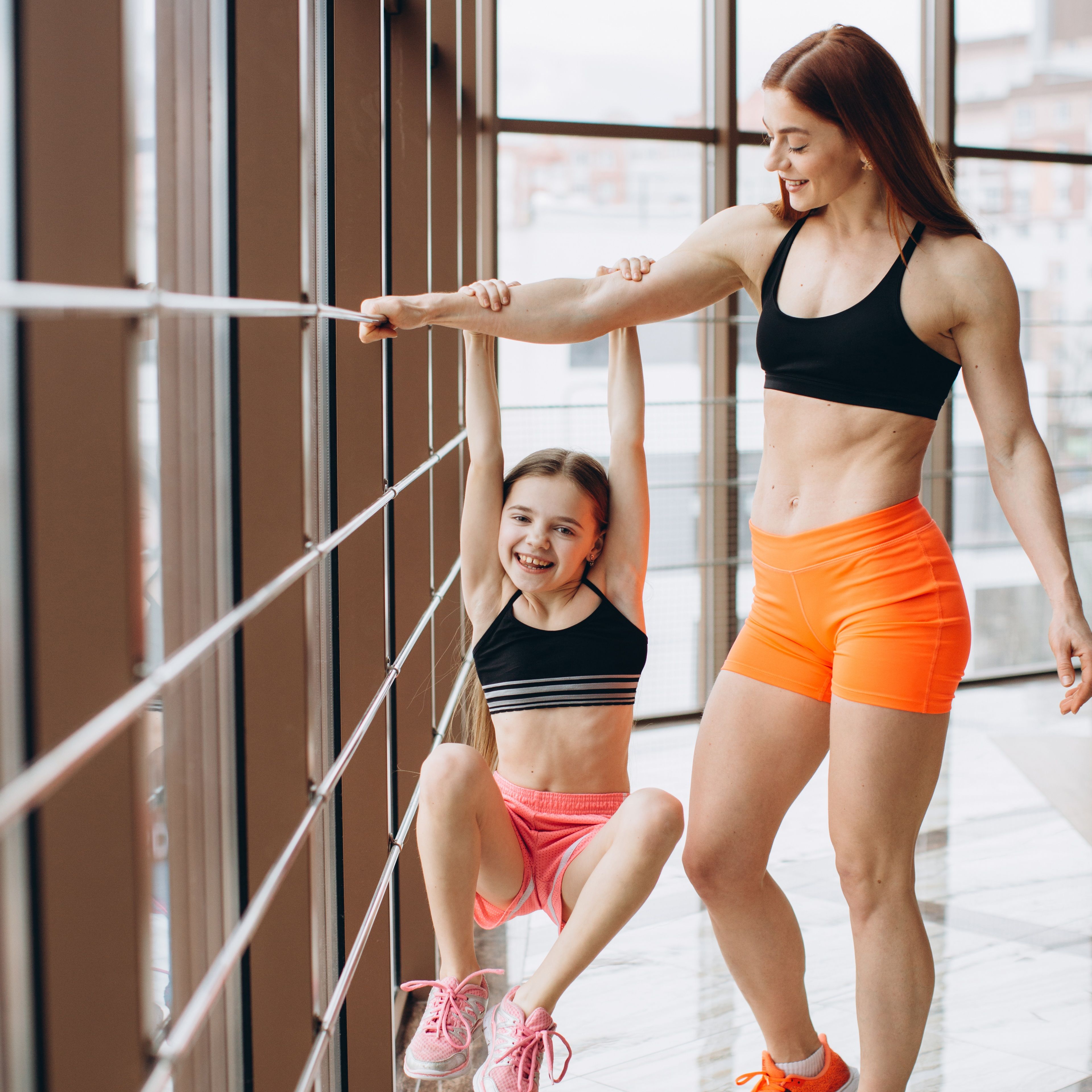
The Message Your Workouts Send
Every workout communicates something, not just to the body, but to the family watching.
Taking Care of Yourself Matters
A lot of adults, especially parents, struggle with guilt around spending time on themselves. But when kids see a parent make time for their health, they pick up an important lesson: self-care isn't selfish. It's responsible. They see, firsthand, that taking care of your body deserves a spot on the calendar.
Consistency Beats Motivation
One of the biggest misconceptions about fitness is that people who stick with it are always motivated. Kids actually benefit from seeing the opposite, a parent who trains when they're tired, when life is busy, when the couch sounds a lot more appealing. Not because they're forcing themselves through willpower, but because it's simply part of the routine.
That's a life skill that reaches far beyond the gym.
Progress Takes Time
Kids are growing up in a world built around instant results. Fitness teaches something different. Strength builds one workout at a time. Habits compound slowly. When kids watch a parent stick with something long enough to actually improve, they're learning patience and persistence, lessons that carry into school, sports, relationships, and careers.
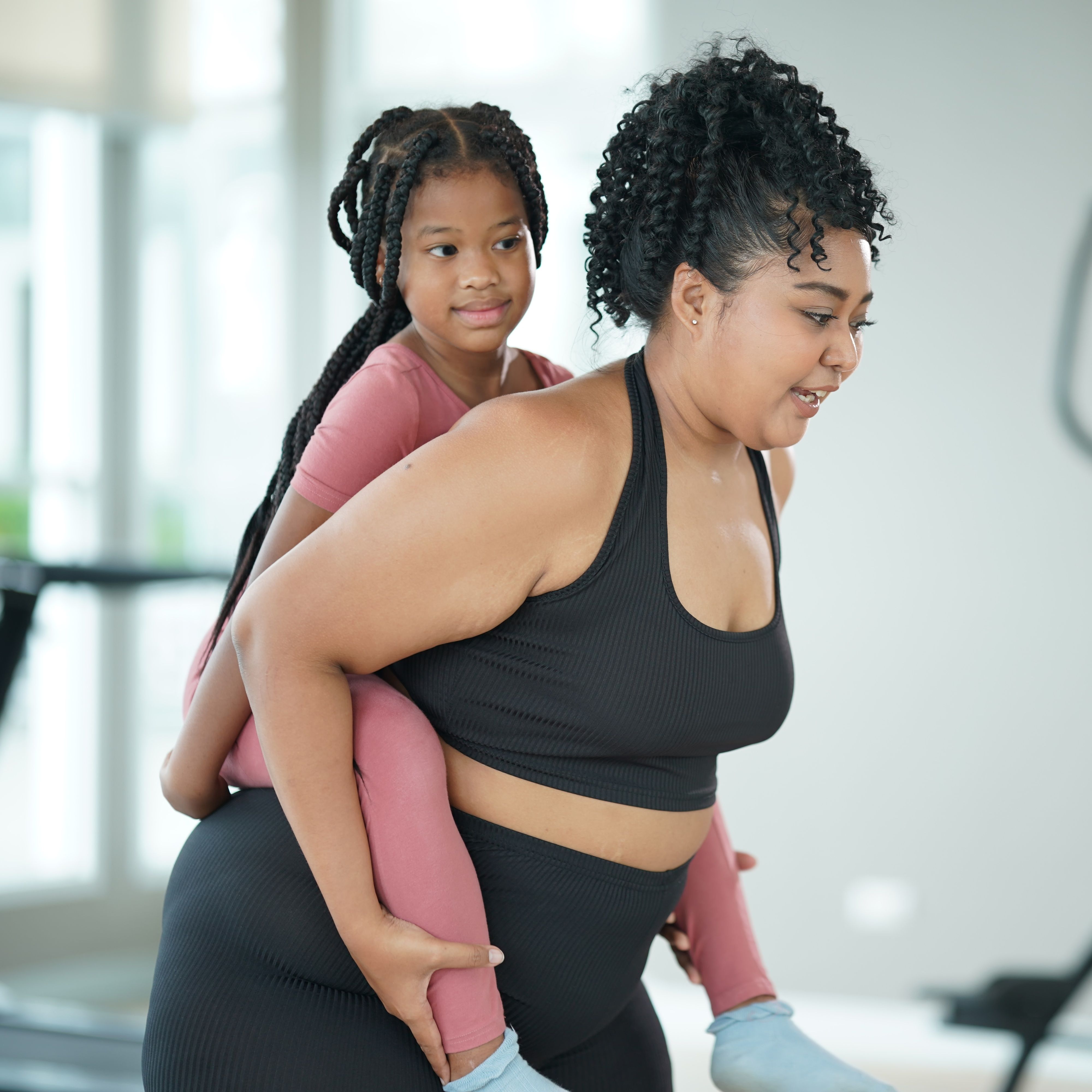
What Happens When Parents Stop Exercising?
This isn't about shame. Life gets busy, schedules get chaotic, and exercise is often the first thing to go. But many parents underestimate the message that sends over time.
When movement disappears from the household, kids can start to see it as optional. Health becomes something you'll get around to eventually, something adults are always too busy for.
That's part of why even short workouts matter. According to FitnessAI's 2026 user survey, 33.4% of users identified time as their biggest barrier to staying consistent. The solution isn't finding more hours, it's showing kids that even a little bit of effort counts. Five minutes matters. Twenty minutes matters. Consistency sends the message.
The "Busy Parent" Problem
Many parents assume they need a full hour at the gym to set a good example. They don't.
Kids don't track workout duration. They notice patterns. They notice whether movement is woven into everyday life or absent from it entirely.
A parent who trains for 20 minutes three times a week creates a stronger, more lasting impression than someone who goes hard for a month and then disappears for six. Structure beats motivation. Consistency beats intensity. And those lessons happen through repetition, not perfection.
How FitnessAI Helps Busy Parents Stay Consistent
For a lot of adults, the real barrier to working out isn't a lack of effort, it's decision fatigue. They spend more time trying to figure out what to do than actually doing it.
FitnessAI was built around solving exactly that problem. In a February 2026 survey, the most common reason users downloaded the app was simple: they were tired of guessing what to do at the gym.
For parents, that matters. When life is already packed with decisions, workouts need to be simple. Open the app, see the workout, lift what it says. FitnessAI automatically adjusts weights, reps, and sets based on performance, so progress keeps happening without constant planning.
Less mental energy spent creating workouts means more energy spent actually doing them. And for parents trying to stay consistent, that's the whole game.
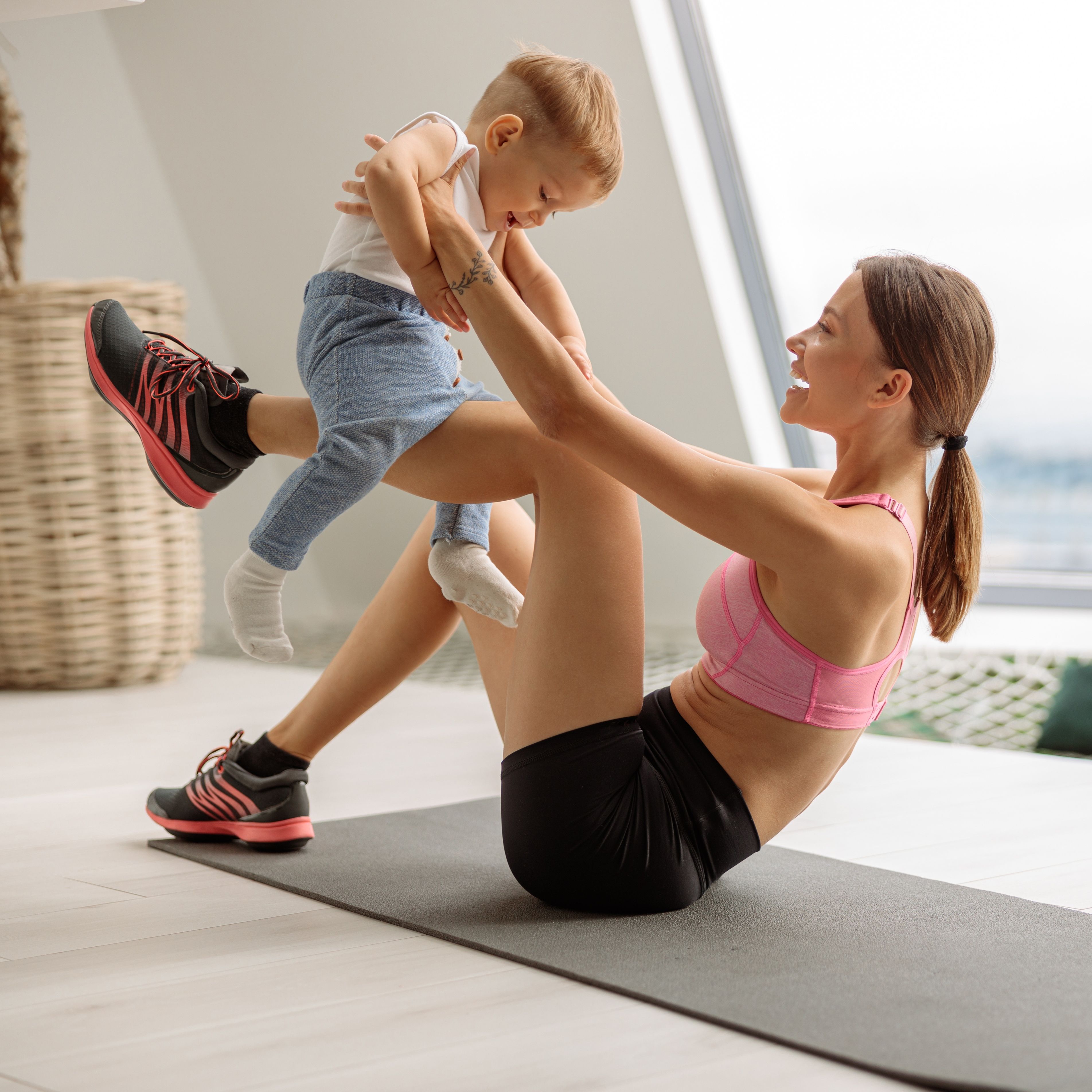
Your Kids Don't Need a Perfect Example
This is where a lot of parents get stuck. They think they need to be leaner, stronger, more disciplined, before their habits can have any real influence on their kids.
That's not how role modeling works.
Kids don't need perfection. They need visibility. They need to see someone trying. Someone improving. Someone making health a priority even with a full schedule and real responsibilities.
A parent who misses workouts sometimes but always comes back is teaching resilience. A parent who adapts instead of quitting is teaching flexibility. A parent who keeps showing up, even imperfectly, is teaching commitment.
Those lessons last far longer than any specific fitness result.
Fitness Habits That Have the Biggest Impact on Kids
If you're wondering where to start, these are the behaviors that tend to matter most:
1. Let Them See You Exercise
Don't hide workouts away whenever possible. Let movement feel normal and visible.
2. Talk About Strength, Not Appearance
Focus on what the body can do, not just how it looks. That framing sticks with kids.
3. Make Movement Part of Family Life
Walk together. Play outside. Be active as a family when the opportunity is there.
4. Avoid Negative Self-Talk
Kids listen carefully when adults criticize their own bodies. Speaking kindly about yourself models the same for them.
5. Stay Consistent Through Busy Seasons
Even when life gets messy, maintaining some version of a routine sends a powerful message. The lesson isn't perfection, it's adaptability.
What Your Kids Will Remember
Years from now, kids probably won't remember specific workout numbers. They won't remember how much weight was lifted or how many miles were logged.
But they'll remember what fitness represented in the house.
Did exercise feel like punishment, or self-respect? Did health feel stressful, or sustainable? Did taking care of yourself seem impossible, or just normal?
The answers to those questions shape how they approach their own health for decades. And that's the hidden impact most parents never see coming.
Frequently Asked Questions
Do parents' fitness habits influence their children?Yes. Children tend to model the behaviors they see at home. Consistent exercise habits can positively shape how kids view health, movement, and self-care over the long term.
Is working out in front of your kids beneficial?In most cases, yes. Seeing a parent exercise helps normalize physical activity and shows kids that health is a regular part of adult life, not something reserved for athletes or special occasions.
How can busy parents stay consistent with exercise?Focus on realistic routines, shorter workouts, and removing decision fatigue. Consistency matters far more than workout length.
What's the best workout routine for parents?The best routine is the one that can actually be maintained. Many parents find success with structured strength training programs that adapt to their schedule and available time.
Can short workouts still set a good example?Absolutely. Kids notice consistency more than duration. A 15–20 minute workout done regularly sends a stronger message than occasional marathon gym sessions.
Final Thoughts
Workouts do more than build muscle or improve personal health, they quietly shape the environment kids grow up in.
Every time a parent chooses movement over postponement, they're teaching something. Every time they come back after a missed week, they're teaching something. Every time they show that health deserves a place in a full, busy life, they're teaching something.
No one has to be perfect. They just have to keep showing up.
For parents who find that consistency harder than it should be, tools like FitnessAI help remove the guesswork by building workouts around schedule, equipment, and progress, so the focus can stay on the part that actually matters: showing up.
Build Muscle. Burn Fat. No Guessing.
DownloadFitnessAI NOW!
Alyssa Gonzalez
