


The All-or-Nothing Fitness Trap That's Killing Your Progress
Most people don't fail at fitness because they're lazy.
They fail because somewhere along the way, they convinced themselves that every workout has to be perfect.
If you've ever skipped the gym because you "only had 20 minutes," disappeared for three weeks after missing one session, or found yourself restarting the same plan every Monday like clockwork, you already know this trap. You've been living in it.
It's one of the most common reasons people plateau or quit strength training altogether. And the cruel part? It tends to hit the people who care the most.
The fix isn't more motivation, more willpower, or a better playlist.
It's structure.
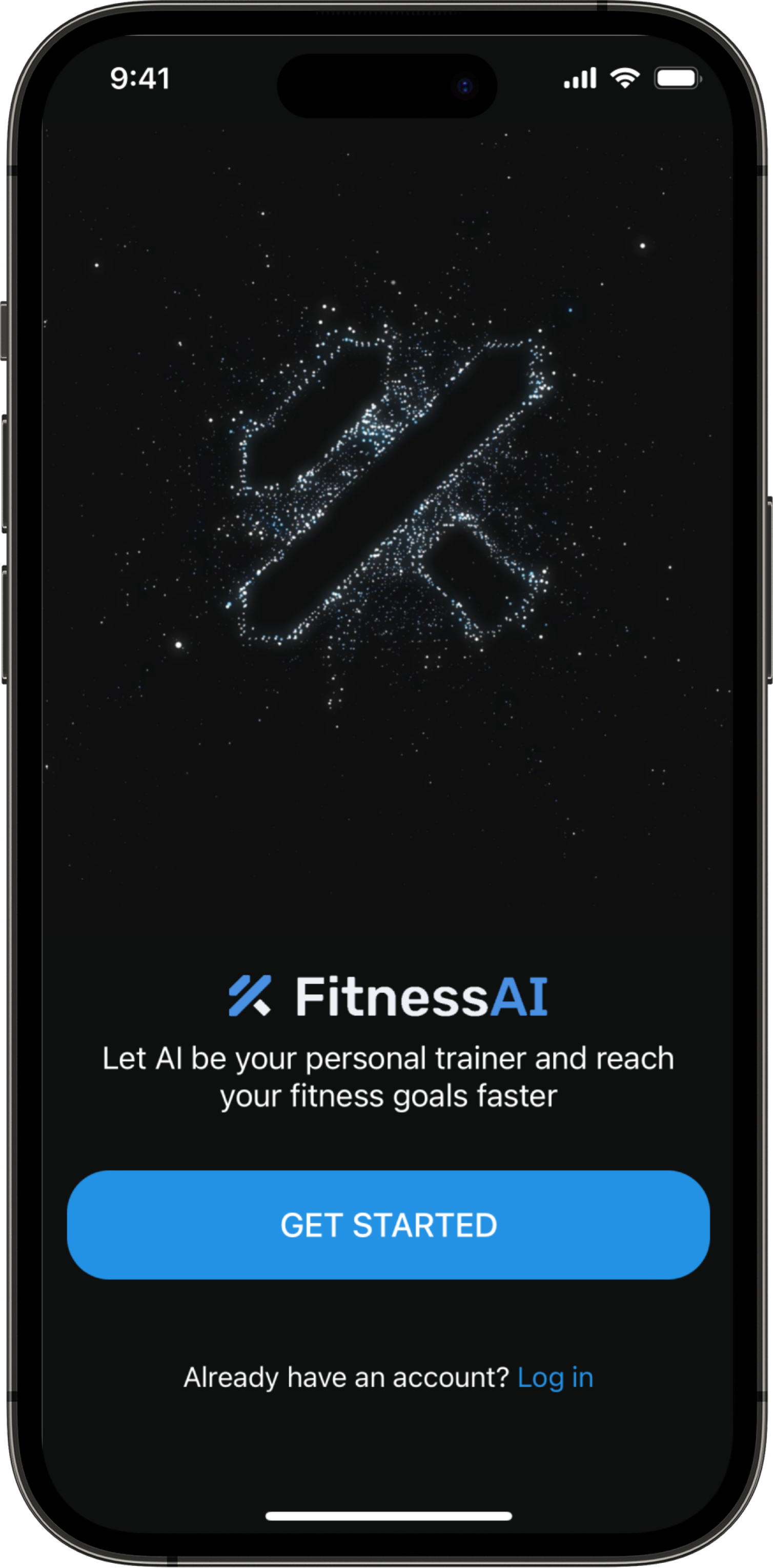
That's why more people are turning to AI workout apps and personalized strength training tools like FitnessAI, not because they need someone to yell at them, but because they need something that removes the mental friction that makes consistency harder than it has to be. FitnessAI was built around a deceptively simple idea: you show up, the app handles the rest.

What Is the "All-or-Nothing" Fitness Mindset?
The all-or-nothing mindset turns fitness into a pass-or-fail test.
Either you:
- Hit a perfect 60-minute workout
- Follow the exact meal plan
- Never miss a session
- Stay "on track" 100% of the time
...or you feel like you've blown it completely.
The problem is that real life doesn't cooperate with that kind of thinking.
Work deadlines stack up. Kids get sick. Travel wrecks routines. Energy fluctuates for reasons that have nothing to do with discipline. And sometimes the bench press is occupied by the same guy for 45 minutes and the whole plan falls apart before it starts.
Most adults don't actually need more intensity. They need a system that can survive an imperfect week without unraveling.
That's especially true for people juggling work, family, and the kind of schedule that changes week to week. In FitnessAI's 2026 user survey, time was the number one barrier to consistency, followed closely by motivation, work stress, energy levels, and travel disruptions. These aren't excuses. They're just reality for most people.
Why All-or-Nothing Thinking Kills Muscle Growth and Fat Loss
The biggest problem with perfectionism in fitness isn't any single missed workout.
It's what happens next.
Muscle growth, fat loss, and strength gains are built through repeated effort over time, not through random bursts of extreme discipline followed by long stretches of nothing. Momentum matters more than any individual session.
Missing a workout isn't the problem. Letting one missed workout spiral into two weeks off is.
Consistency Beats Intensity
One of the most underrated truths in strength training: three decent workouts every week will outperform one "perfect" week followed by burnout. It's not glamorous, but it's how progress actually gets made.
This is where a lot of traditional workout programs fail busy adults, they're designed as if your schedule, energy, recovery, and motivation are stable and predictable. For most people, they're not.
FitnessAI takes a different approach. Instead of locking users into rigid programs that punish any deviation, workouts adapt based on performance, recovery, available equipment, and schedule. That matters because consistency is a lot easier when the plan bends to fit real life rather than breaking against it.

The Hidden Mental Fatigue Behind Fitness Burnout
A lot of people think their problem is motivation.
What they're actually experiencing is decision fatigue.
Before many workouts, there's a mental checklist that runs whether people realize it or not:
- What should I train today?
- How many sets should I do?
- Should I increase the weight?
- Am I doing enough volume?
- Is any of this actually working?
That mental load compounds quickly. And the heavier it gets, the easier it becomes to just... not go.
In FitnessAI's survey, the most common reason users downloaded the app was being "tired of guessing," they wanted to know exactly what to lift. That's not a small insight. That's the entire problem spelled out.
The more decisions a workout requires upfront, the more mental energy gets spent before a single rep is completed.
Why "Just Wing It" Stops Working
At the beginning, improvised workouts can feel productive. There's sweat involved. There's effort. It feels like something happened.
But random effort tends to produce random results.
Without progressive overload, it becomes difficult to consistently build muscle or get stronger, because the body isn't being given a clear signal to adapt. Things feel hard, but hard isn't the same as effective.
That's where structured progression actually earns its keep.
FitnessAI uses AI-powered progressive overload to automatically adjust weights, reps, and sets based on previous performance and recovery patterns. Instead of wondering whether to add weight this week, users get a specific number, and an explanation for why it changed.
That transparency is more important than it might seem. A lot of fitness apps function like black boxes: weights shift around and users are just supposed to trust it. FitnessAI's approach leans into clarity because people tend to stick with plans they actually understand.
The Best Workout Plan Is the One You'll Actually Repeat
This sounds obvious, but it's worth saying plainly: the "best" workout routine isn't the most advanced one. It's the one a person can consistently recover from and realistically stick to.
For busy adults, that usually means:
- Flexible workout lengths
- Clear progression
- Minimal setup friction
- Fast decision-making
- Adaptability when life changes
That's part of why short workouts have become increasingly popular in modern strength training. FitnessAI lets users choose workout durations between 5 and 30 minutes without losing progression. That quietly dismantles the idea that a workout "doesn't count" unless it hits the one-hour mark.
Sometimes, keeping momentum alive with a quick session is smarter than waiting for the ideal training window that never actually arrives.
Progress without perfection is still progress.

What Happens When You Miss a Week?
Most people panic.
They assume they've lost all their gains and need to start over from scratch.
Usually, neither of those things is true.
A better approach tends to look something like this:
- Reduce the emotional drama around the missed time
- Resume training normally
- Adjust intensity slightly if needed
- Keep moving
This is another area where adaptive workout apps earn their value. FitnessAI adjusts workouts based on recent performance and recovery rather than blindly picking up where things left off. So if someone's been traveling, sleeping poorly, or missed several sessions, the app recalibrates rather than pretending none of that happened.
That matters because a lot of people quit fitness after feeling "behind," like the gap is too big to close. In most cases, they're not behind. They're just human.
The Gym Confidence Problem Nobody Talks About
There's a particular kind of mental exhaustion that sets in before some workouts even start.
Especially for beginners, or people returning after time away, there's a quiet anxiety that comes from not knowing:
- What machine to use
- Whether the weights feel right
- If the program actually makes sense
- Whether any progress is happening
FitnessAI users consistently mention confidence as one of the app's most meaningful benefits, because it removes that ambient uncertainty. That confidence compounds over time. The mental negotiation stops. The overthinking fades. The workout is ready when the app is opened, the weights are set, and the only job left is to lift.
Why Adaptive Workouts Matter More Than "Motivation"
Motivation is unreliable. Structure is repeatable.
This is one of the core reasons AI fitness apps are growing quickly among time-strapped adults. The best ones don't just generate workouts, they reduce the friction that gets in the way of starting.
FitnessAI adapts based on:
- Available equipment
- Training history
- Recovery
- Session length
- Exercise availability
- Previous performance
That flexibility translates directly to real-world scenarios. Busy gym? Swap the exercise. Traveling with only dumbbells? Adjust the workout. Low-energy day? Maintain momentum without wrecking recovery.
The goal isn't perfection. It's sustainability.

Visible Progress Changes Everything
One reason people fall into all-or-nothing thinking is that progress feels invisible.
Strength changes slowly. Body composition changes slowly. And when someone judges progress emotionally rather than tracking it, they almost always quit too early, right before things would have started clicking.
That's why tracking matters more than most people give it credit for.
FitnessAI users consistently rank workout tracking, progressive weight suggestions, and visual progress tools among the app's most valuable features. BodyScan, in particular, helps users track physical changes visually over time rather than getting pulled into the noise of daily scale fluctuations.
Because sometimes the biggest changes only become visible when looking back three months later.
Momentum tends to build quietly.
How to Escape the All-or-Nothing Fitness Trap
For anyone who wants more sustainable progress, these five shifts tend to make the biggest difference.
1. Stop Treating Missed Workouts Like Failure
Missing one session changes almost nothing. Quitting because of one missed session changes everything.
2. Lower the Barrier to Starting
A 20-minute workout counts. A 5-minute workout counts. Consistency compounds faster than heroic effort.
3. Remove Unnecessary Decisions
The less mental energy required to start training, the more likely someone is to stay consistent. This is exactly why personalized workout planner apps have become so popular, people are genuinely tired of guessing.
4. Follow Progressive Overload, Not Random Intensity
Destroying yourself every workout isn't the goal. Measurable progression over time is. That's how muscle actually gets built.
5. Use Tools That Adapt to Real Life
Rigid programs break when life gets messy. Adaptive systems survive messy weeks. That difference matters more than most workout plans are willing to admit.
The Real Goal Isn't Motivation
The real goal is making fitness feel automatic.
Not emotionally dramatic. Not contingent on perfect conditions. Just repeatable.
That's why the best gym app for busy adults tends to be the one that removes friction rather than adding more complexity to manage.
FitnessAI works best when it quietly fades into the background a little. The workout is ready when the app opens. The weights are adjusted. Progress is tracked. The lift happens.
No spreadsheets. No second-guessing. No rebuilding the plan every Monday.
Just structure that keeps momentum moving forward.
Final Thoughts
The all-or-nothing mindset sounds disciplined. In practice, it usually just creates inconsistency.
Real progress comes from showing up imperfectly for a long time, through busy seasons, low-energy weeks, and workouts that don't go quite as planned.
Because the people who actually get stronger aren't the ones who never miss. They're the ones who keep returning.
If someone is tired of overthinking their workouts, restarting programs from scratch every few weeks, or wondering whether any of it is working, tools like FitnessAI exist to simplify that process. Not by adding pressure. By removing the guesswork.
Build muscle. Burn fat. No guessing.
Download FitnessAI today!
FAQ
What is the all-or-nothing mindset in fitness?
The all-or-nothing mindset is the belief that workouts only “count” if they’re perfect. It often leads people to quit after missing workouts or breaking routines instead of staying consistent.
How do I stay consistent with workouts when I’m busy?
Focus on reducing friction. Short workouts, structured plans, and adaptive training programs make consistency easier during busy weeks.
What is progressive overload?
Progressive overload is the gradual increase of training demands over time through added weight, reps, sets, or intensity. It’s one of the most important principles for building muscle and strength.
Are AI workout apps effective for strength training?
Yes, especially when they use personalized progression and adaptive programming. Apps like FitnessAI help remove guesswork by adjusting workouts based on performance, recovery, and available equipment.
What’s the best workout app for busy adults?
The best workout app is one that fits real schedules and reduces mental effort. Many people prefer apps that automatically plan workouts, track progress, and adapt when routines change.
Alyssa Gonzalez
