


How to Train Around Injuries Without Losing Progress
Getting injured feels like someone hit pause on everything you've worked for.
One bad shoulder tweak, a nagging knee, or a flared-up lower back, and suddenly you're convinced that weeks or months of hard-earned progress are about to disappear. It's a frustrating, demoralizing place to be.
But here's the thing: most injuries don't mean you have to stop training entirely.
With a little creativity and some honest self-awareness, you can stay active through recovery, maintain most of your strength, hold onto muscle, and in a lot of cases, come back feeling better than before. The hard part isn't the physical side, it's resisting the all-or-nothing mindset that convinces you to do nothing at all.
That's exactly where structured programming earns its keep. Rather than guessing which exercises are safe or how hard you can push on any given day, tools like FitnessAI take a lot of that guesswork off your plate by adapting workouts based on your recovery, the equipment you have available, and your real performance trends over time.
Here's how to keep making progress, even when your body isn't cooperating.
Why Stopping Completely Often Makes Recovery Harder
The most common mistake people make after getting hurt is doing absolutely nothing.
Rest matters early on, especially when pain is sharp or swelling is present. But once that initial window passes, total inactivity tends to create a whole new set of problems:
- Muscle loss
- Reduced mobility
- Loss of conditioning
- Increased stiffness
- Fear of movement
- A much harder return to training
The research here is pretty consistent: appropriate movement and progressive loading tend to produce better recovery outcomes than just lying on the couch waiting to feel better.
That's not a license to push through sharp pain. It's a reminder that the goal is to find ways to keep training smartly while giving the injury the space it needs.
For people already stretched thin between work, stress, and limited gym time, this matters even more. Losing your routine entirely makes it harder to restart, physically and mentally.
The Goal Is Adaptation, Not Perfection
When you're injured, your training priorities shift. That's okay.
Instead of chasing PRs or maximizing hypertrophy, the focus becomes:
- Protect the injured area
- Maintain overall strength and muscle
- Improve movement quality
- Gradually rebuild tolerance
That mindset shift makes a real difference. You're not starting over, you're adapting. And the ability to adapt intelligently is honestly what separates experienced lifters from people who keep getting sidelined by the same problems.

Step 1: Identify What Actually Hurts
A really common mistake is avoiding all movement when really you just need to find the specific trigger.
Consider the difference:
- Squatting might light up your knee, but split squats could feel completely fine
- Barbell pressing might irritate your shoulder, but dumbbell pressing works
- Conventional deadlifts might bother your back, but a trap bar changes everything
Pain is usually movement-specific, not body-part specific. So before you write off an entire muscle group or training day, take the time to narrow down exactly which exercises, ranges of motion, or load levels are causing the issue.
This is where having a training log becomes genuinely useful, not just for motivation, but for pattern recognition. FitnessAI logs your workouts, weights, reps, and recovery trends automatically, which makes it a lot easier to spot when certain movements are consistently creating problems versus when you just had a rough session.

Step 2: Reduce Painful Stress, Not All Stress
You don't need maximum intensity to maintain progress. That's worth saying out loud, because a lot of people don't believe it.
Studies show you can preserve a surprisingly high percentage of muscle and strength with reduced training volume, as long as some stimulus is still there.
A few practical ways to dial things back without going dark:
Lower the Load: Lighter weights with a slower, more controlled tempo can keep training productive without grinding on an irritated joint.
Reduce Range of Motion: If deep squats are out, partial squats or box squats might work just fine for now.
Swap Equipment: Cables, dumbbells, machines, and resistance bands can dramatically reduce joint stress compared to free-weight alternatives.
This is where FitnessAI is genuinely handy, workouts can adapt based on what equipment you have available. If a movement becomes uncomfortable, you can pivot without having to rebuild your entire program from scratch.
Adjust Weekly Volume: Sometimes fewer sets is enough during recovery. Consistency beats exhaustion every single week.

Step 3: Keep Training What You Can
One injured body part doesn't shut down the whole system.
Hurt your shoulder? Your legs, core, and most of your cardio are probably fine. Dealing with a knee issue? Your upper body can often keep training exactly as planned.
This matters as much psychologically as it does physically.
Staying active preserves your routine, your motivation, and the momentum you've built. It also keeps you from falling into the mental spiral that tends to show up after a few weeks of doing nothing.
For busy people, this is especially real. Decision fatigue during injury recovery is brutal, every workout suddenly feels like a puzzle you have to solve from scratch. FitnessAI's adaptive programming reduces that friction by automatically adjusting recommendations based on your performance and recovery trends. When your body isn't at 100%, the last thing you need is to spend 20 minutes figuring out what's safe to do.
Best Exercises for Training Around Common Injuries

Shoulder Pain
Often Helpful
- Neutral-grip dumbbell press
- Cable rows
- Landmine press
- Machine chest press
- Face pulls
Often Problematic
- Deep dips
- Wide-grip bench press
- Heavy overhead pressing
- Upright rows
Focus on controlled pressing angles and pain-free ranges of motion.
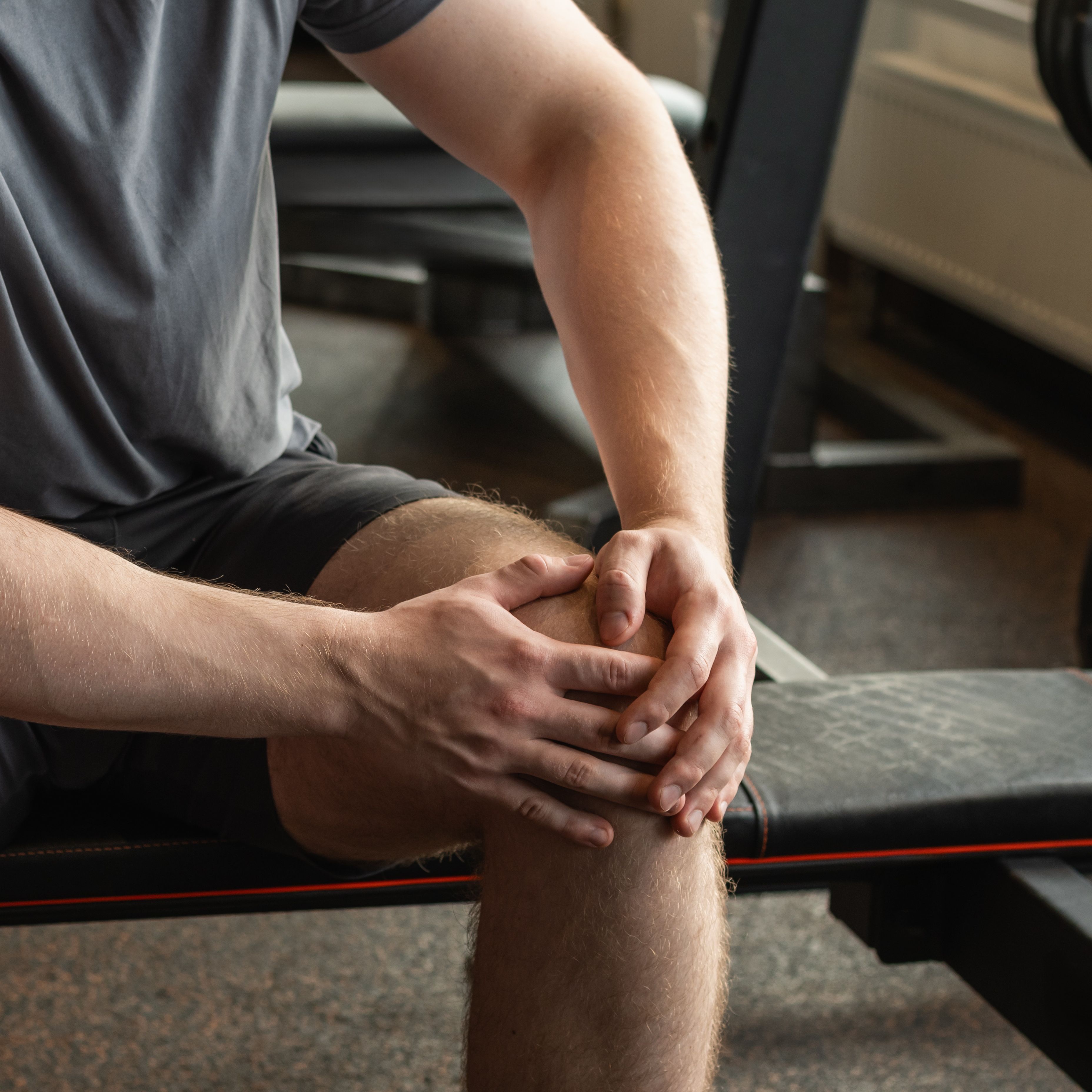
Knee Pain
Often Helpful
- Split squats
- Step-ups
- Glute bridges
- Romanian deadlifts
- Reverse sled drags
Often Problematic
- High-impact jumping
- Heavy deep squats
- Excessive running volume
Slowing down your squat tempo and reducing load can make a bigger difference than most people expect.

Lower Back Pain
Often Helpful
- Walking
- Bird dogs
- Goblet squats
- Trap bar deadlifts
- Core stabilization work
Often Problematic
- Heavy spinal loading
- High-fatigue deadlift volume
- Poorly braced bent-over rows
More often than not, improving your bracing and reducing fatigue matters more than cutting out movement altogether.
Step 4: Use Progressive Overload Carefully
One of the most predictable mistakes in injury recovery is coming back too hot.
You feel decent, you figure you're "good enough," you load up the bar, and within a session or two you've flared the whole thing up again. It happens constantly.
Progressive overload still matters during recovery. It just needs to be slower and more conservative than you're used to:
- Add 5 pounds instead of 20
- Increase reps before increasing weight
- Keep 1 to 3 reps in reserve
- Take longer rest periods
- Actually pay attention to soreness
FitnessAI's approach to progressive overload is useful here specifically because progression is based on your actual workout performance, not arbitrary jumps. Instead of forcing increases every session, the system adapts to your output and recovery patterns, which makes overshooting a lot less likely.
Recovery Becomes More Important When You're Injured
Recovery always matters. But when you're managing an injury, it becomes non-negotiable.
That means paying real attention to:
- Sleep
- Nutrition (especially protein)
- Hydration
- Stress management
- Mobility work
- Training frequency
People consistently underestimate how much recovery affects both pain levels and performance. Poor sleep alone can amplify soreness, reduce coordination, and slow tissue healing in measurable ways.
When your recovery capacity changes week to week, and it will, adaptive training helps keep your workload realistic rather than stuck at numbers that no longer make sense for where your body actually is.
Don't Ignore Pain Signals
There's a real difference between manageable discomfort and genuine warning signs.
As a rough guide:
- Mild soreness or stiffness during rehab movement is often normal
- Sharp pain is not
- Pain that gets worse throughout a workout is a red flag
- Lingering pain that hangs around for days means you pushed too far
A simple framework used by a lot of physical therapists: if pain stays at a manageable level during training and settles back to your normal baseline within 24 hours, the workload was probably okay. If symptoms escalate after the fact, pull back.

How to Avoid Losing Muscle During Recovery
The most searched question during any injury recovery is some version of: "Am I going to lose everything?"
Almost always, the answer is no, not if you're smart about it.
To hold onto muscle during recovery:
- Keep protein intake high
- Continue resistance training wherever you can
- Train pain-free muscle groups hard enough to maintain stimulus
- Stay consistent
- Avoid prolonged full layoffs unless it's medically necessary
Even significantly reduced training volume can preserve a large percentage of your progress.
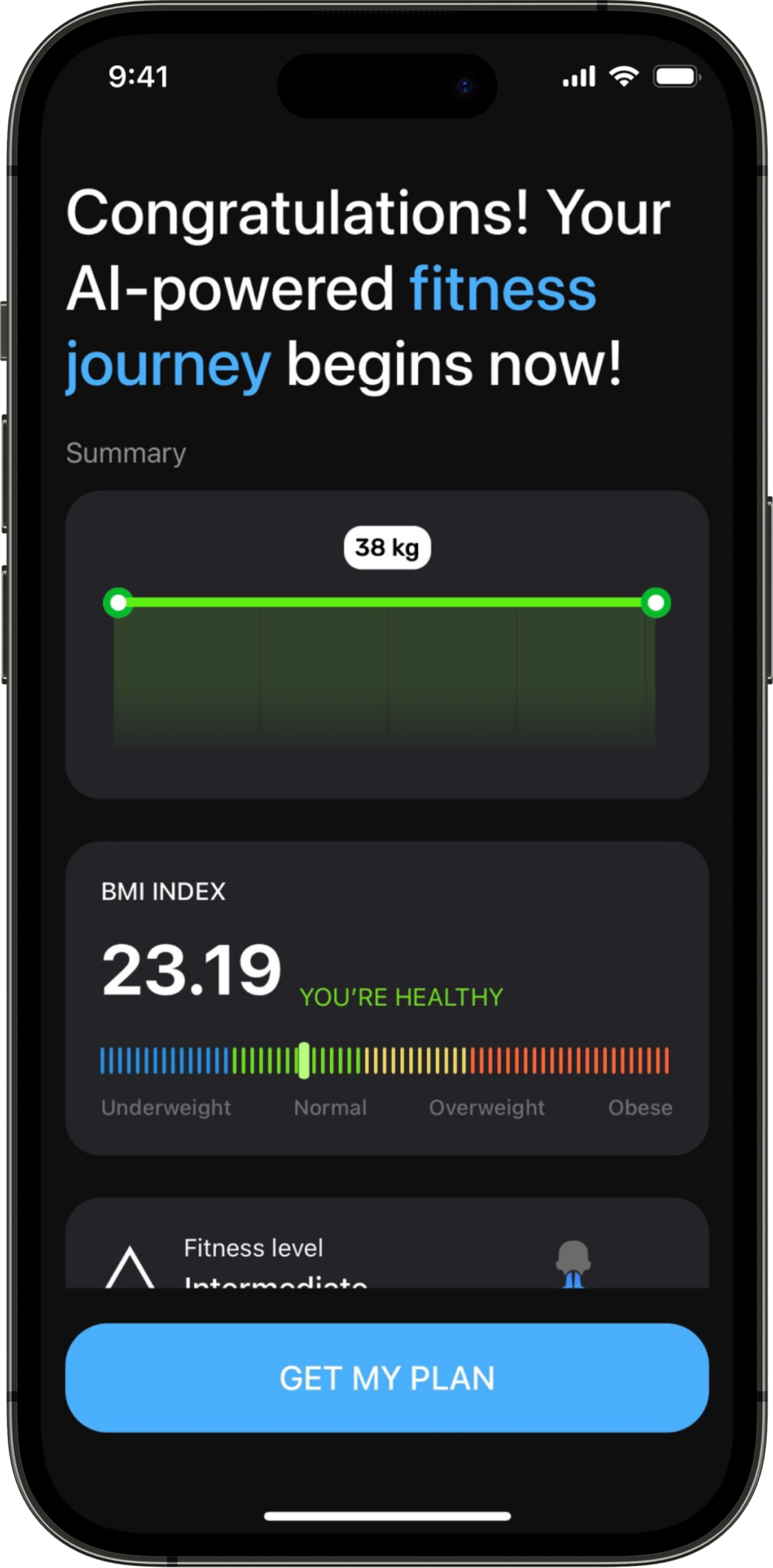
And visually tracking your progress during this stretch matters more than people think. When motivation dips and the scale isn't moving, being able to see trends over time, even small positive ones, can be the thing that keeps you going. FitnessAI's progress tracking makes those small wins visible, which counts for a lot when recovery feels slow and unrewarding.
The Mental Side of Injury Recovery
This part gets glossed over constantly, and it really shouldn't.
Injuries create a specific kind of uncertainty that's hard to manage:
"Am I making this worse?""Will I actually get back to normal?""Should I even bother training today?"
That uncertainty leads to inconsistency. And inconsistency is where real progress loss happens.
Having structure removes some of the emotional weight from those decisions. Instead of agonizing over what to do every single session, you follow a plan that adapts as your body changes, which is exactly what FitnessAI is designed to do.
For anyone juggling a demanding job, limited time, and energy levels that fluctuate week to week, simplifying those choices can genuinely be the difference between staying active through recovery and quietly quitting altogether.
When to See a Professional
There are situations where training around an injury isn't the right call and you need actual medical guidance:
- Pain is severe or sudden
- You have numbness, tingling, or instability
- Symptoms persist for several weeks without improvement
- Daily activities are affected
- Pain is progressively worsening
The best recovery outcomes usually come from combining professional guidance with smart, adaptable training, not one or the other.
Final Thoughts
Injuries don't erase your progress. They redirect it for a while.
Most lifters can stay active through recovery by modifying movements intelligently, managing training stress honestly, prioritizing recovery, and progressing gradually. None of that is complicated. The hard part is having the patience to do it consistently.
That's why a lot of people lean on FitnessAI during recovery phases, not for motivation or extreme programming, but because adaptive training simplifies decisions when everything feels complicated. Instead of reinventing the wheel every session, you can focus on showing up, training intelligently, and rebuilding steadily.
That approach, boring, consistent, adaptable, almost always beats grinding through pain or disappearing from the gym entirely.
Download FitnessAI HERE!
Alyssa Gonzalez
