


"Summer Body" Is a Myth. Here's What Actually Matters
The Problem With Chasing a Summer Body
Every year around this time, the internet cranks up the same message:
Get your summer body. Lose the weight. Fix yourself before beach season.
The thing is, most people don't actually need a summer body.
They need a fitness plan they can stick to in July, August, October, and January.
A "summer body" isn't a fitness goal. It's a deadline. And deadlines tend to produce short-term behavior: slashed calories, hours of extra cardio, random workout programs, and a desperate hope that results show up before vacation.
Then summer ends. The habits disappear. And the whole cycle starts over next year.
So if someone's wondering how to get fit for summer, a better question to ask is:
How do I build strength, confidence, and consistency that lasts beyond summer?
That's what actually changes things.
What Is a Summer Body, Anyway?
The simplest answer: it's a marketing concept, not a fitness metric.
There's no official body type that qualifies. No body fat percentage requirement. No magic number on a scale. The idea keeps shifting because it's designed to create insecurity, not clarity, one year it's ultra-lean abs, the next it's curves, then it's athletic, then it's "strong not skinny."
The target moves constantly. Your health doesn't.
Why Summer Fitness Goals Often Fall Apart

They Focus on Appearance Instead of Performance
When the only goal is looking different by a certain date, every workout becomes a judgment call. Miss a session? Panic. Eat dessert? Guilt. Progress slows down? Frustration.
Performance-based goals create a completely different experience. Things like:
- Adding 20 pounds to a squat
- Completing 3 workouts per week
- Increasing a bench press
- Building consistency for 60 days
- Improving daily energy levels
These are goals people can actually control. And controlled actions lead to predictable progress.
They Push People Toward Extreme Shortcuts
Every spring, searches spike for things like "how to lose weight fast for summer," "how to get shredded in 30 days," and "fastest way to get abs."
The problem? Fast results usually come from unsustainable behavior, cutting calories too aggressively, overtraining, adding excessive cardio, eliminating entire food groups, and skipping recovery. The result is almost always burnout, muscle loss, or rebound weight gain.
Strength training works differently. It's about building something, not rushing to remove something.
What Actually Matters Instead
1. Building Strength
Strength changes everything, not just how someone looks, but how they move, how they feel, and how confident they become in their body. When someone is consistently getting stronger, improved body composition often follows as a byproduct.
More muscle means a higher daily calorie burn, better posture, improved long-term health, and greater physical resilience. It's one reason strength training remains one of the most effective long-term fitness strategies out there.
2. Consistency Over Intensity
One of the biggest fitness myths is that success comes from perfect workouts. It doesn't. It comes from repeated workouts.
The FitnessAI user survey found that time is the biggest barrier to consistency, followed by motivation, work schedules, and energy levels. That's exactly why sustainable fitness habits matter more than intense fitness challenges.
A 20-minute workout done consistently will outperform a perfect program abandoned after two weeks. Progress compounds. Momentum builds. Structure beats motivation every time.
3. Removing Guesswork
Many people don't struggle with fitness because they're lazy, they struggle because they're constantly making decisions. What workout should I do? How much weight should I lift? Am I doing enough? Should I change programs?
FitnessAI users consistently report that the biggest value of the app is not having to think about those questions. The most common reason people download FitnessAI is because they're tired of guessing and want to know exactly what to lift. Instead of building another spreadsheet or bouncing between programs, they open the app and follow the plan.
The less energy spent deciding, the more energy available for actually training.

Why Progressive Overload Matters More Than Summer Deadlines
For anyone who wants muscle growth, fat loss, and lasting results, progressive overload matters far more than a seasonal deadline.
Progressive overload means gradually increasing the challenge placed on muscles over time, more weight, more reps, more sets, better performance. The key word is progression, not perfection.
FitnessAI automatically adjusts weights, sets, and reps using training data and previous workout performance, so users keep progressing without constantly redesigning their program. Most people don't need more workout information. They need a clear next step.
What If You're Busy This Summer?
Good, that's completely normal.
Summer usually means travel, family events, vacations, weddings, BBQs, and schedule disruptions. Fitness shouldn't require life to pause.
One of the biggest mistakes people make is believing workouts only count if they're long. They don't. A shorter workout still reinforces the habit.
FitnessAI adapts workout length from quick sessions to longer gym workouts, so users can keep their momentum even when schedules get messy. A workout doesn't need to be perfect. It just needs to happen.
Training While Traveling
No access to a normal gym? This is where a lot of people stop training altogether, but a better approach is adapting instead of quitting.
If equipment changes, the options are simple: use dumbbells, lean on bodyweight movements, find a hotel gym, or reduce volume temporarily. FitnessAI can adjust workouts based on available equipment, helping users stay consistent whether they're in a full gym or working with whatever's on hand.
Progress isn't built by having perfect conditions. It's built by continuing anyway.

The Real Goal: Feel Better in Your Body Year-Round
The best fitness goals don't expire after Labor Day.
Instead of asking "how do I get a summer body?", try asking:
- How do I build muscle consistently?
- How do I get stronger this year?
- How do I stop starting over?
- How do I make workouts easier to stick with?
- How do I train without overthinking everything?
Those questions lead somewhere useful, because fitness isn't about earning permission to enjoy summer. It's about building a body that supports the life someone wants all year long.
Practical Takeaways
If nothing else sticks from this article, these five things are worth remembering:
- A summer body is not a fitness metric.
- Strength matters more than seasonal deadlines.
- Consistency beats intensity.
- Progressive overload drives long-term results.
- Removing guesswork makes fitness easier to sustain.
The people who stay in shape year-round aren't necessarily more motivated. They simply have more structure.
FAQ
What is a summer body?
A summer body is a cultural marketing term, not a scientific fitness goal. There's no specific weight, body fat percentage, or appearance required to have one, which is kind of the point.
Is it possible to get fit before summer?
Yes, but meaningful fitness improvements typically come from consistent strength training, solid nutrition habits, and progressive overload, not extreme short-term approaches.
What is the best workout plan for summer?
The best workout plan is one that can be consistently followed despite vacations, travel, and schedule changes. For many adults, strength training 3–4 times per week is a solid and sustainable starting point.
How can someone build muscle without overthinking their workouts?
Following a structured program that automatically manages progression removes the decision fatigue and ensures muscles are consistently being challenged over time, without having to redesign the plan every few weeks.
Does strength training help with fat loss?
Yes. Strength training helps preserve and build muscle while supporting long-term body composition improvements and increasing daily energy expenditure.
Final Thoughts
Most people don't need another fitness challenge built around a deadline. They need a system, something that tells them what to do when motivation is high and when it completely disappears.
That's where structure wins.
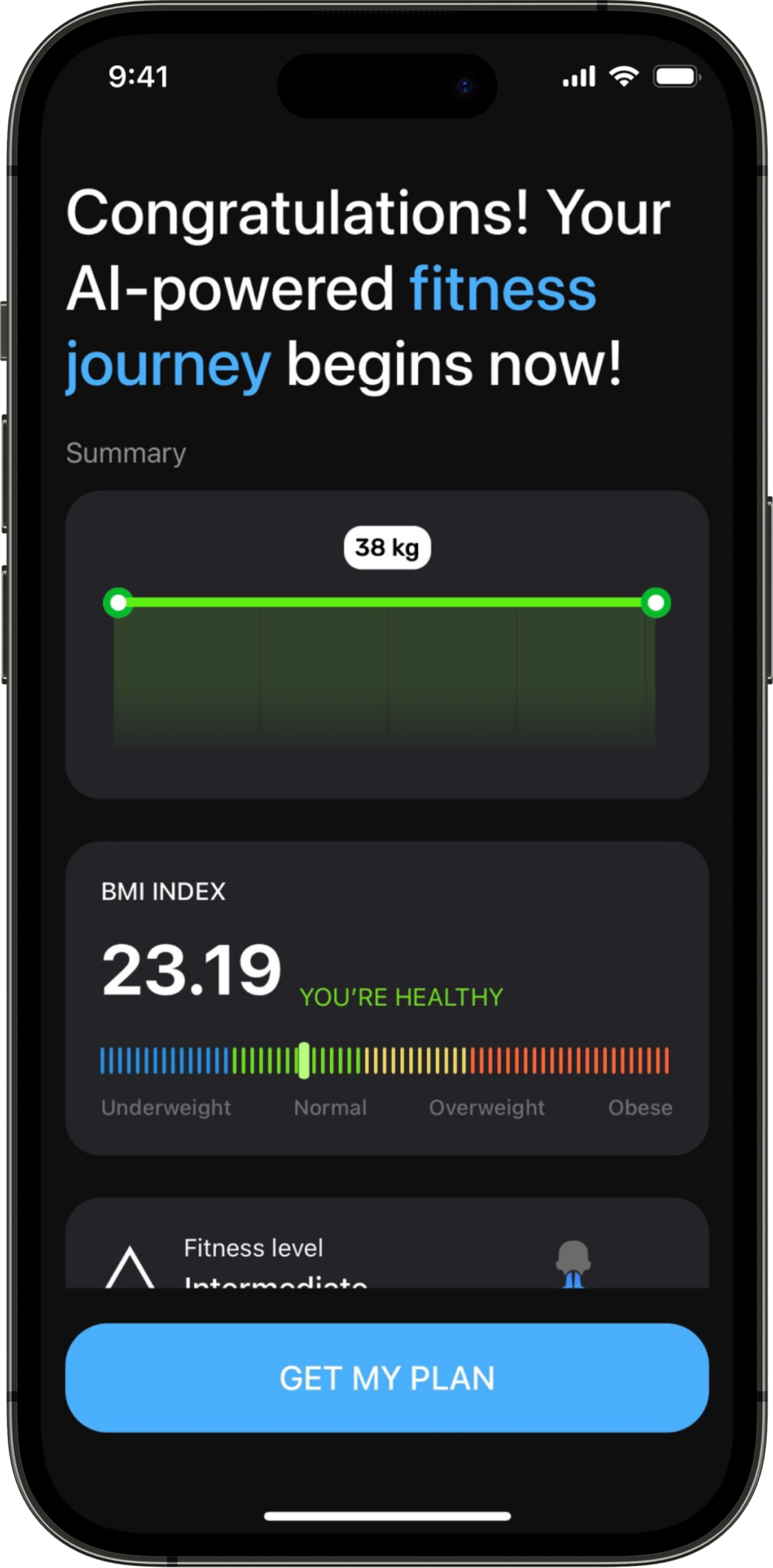
FitnessAI was built around a simple idea: eliminate the guesswork. Workouts, weights, reps, and progression all adapt over time, so the focus stays on showing up, not planning.
You show up. FitnessAI handles the plan.
Because progress should be predictable.
Let me know if you'd like any sections adjusted further!
Download FitnessAI TODAY!
Alyssa Gonzalez
