


Everyone Starts Somewhere: Common Beginner Mistakes (and How to Avoid Them)
Walk into any gym on a Monday morning and you'll see it: someone hovering near the dumbbell rack, phone in hand, scrolling through a workout they saved three weeks ago and still haven't tried. That hesitation isn't a lack of motivation. It's the natural result of starting something new without a clear plan.
Beginner mistakes are not a sign that someone isn't cut out for strength training. They're just part of the learning curve. The good news is that most of them are predictable, which means they're also avoidable.
This guide breaks down the most common beginner fitness mistakes, why they happen, and what to do instead. Whether someone is stepping into a gym for the first time or restarting after a long break, the goal is the same: build a routine that actually sticks.
Why Beginner Mistakes Are So Common
Most beginner mistakes come down to one thing: information overload without a filter. New lifters are bombarded with conflicting advice from social media, well-meaning friends, and outdated articles. Without a way to sort useful guidance from noise, it's easy to end up overtraining, undertraining, or just spinning in place.
This is where a lot of people quit, not because the workouts are too hard, but because the decision-making around the workouts is exhausting. That mental fatigue is often a bigger barrier than the physical one.

Mistake #1: Doing Too Much, Too Soon
It's tempting to go all in during the first week. Five gym sessions, an hour of cardio, heavy weights right out of the gate. This usually backfires.
The body needs time to adapt to new movement patterns and training stress. Jumping in at full intensity often leads to excessive soreness, poor recovery, and sometimes injury, all of which make it harder to show up the next day.
What to do instead:
- Start with 2 to 3 sessions per week
- Choose weights that feel challenging but manageable for 10 to 12 reps
- Let intensity build gradually over the first month
This is one area where adaptive programming makes a real difference. Instead of following a generic beginner plan that assumes everyone recovers at the same rate, FitnessAI adjusts workout intensity and volume based on how a person is actually responding, so the plan grows with them instead of ahead of them.
Mistake #2: Skipping Progressive Overload
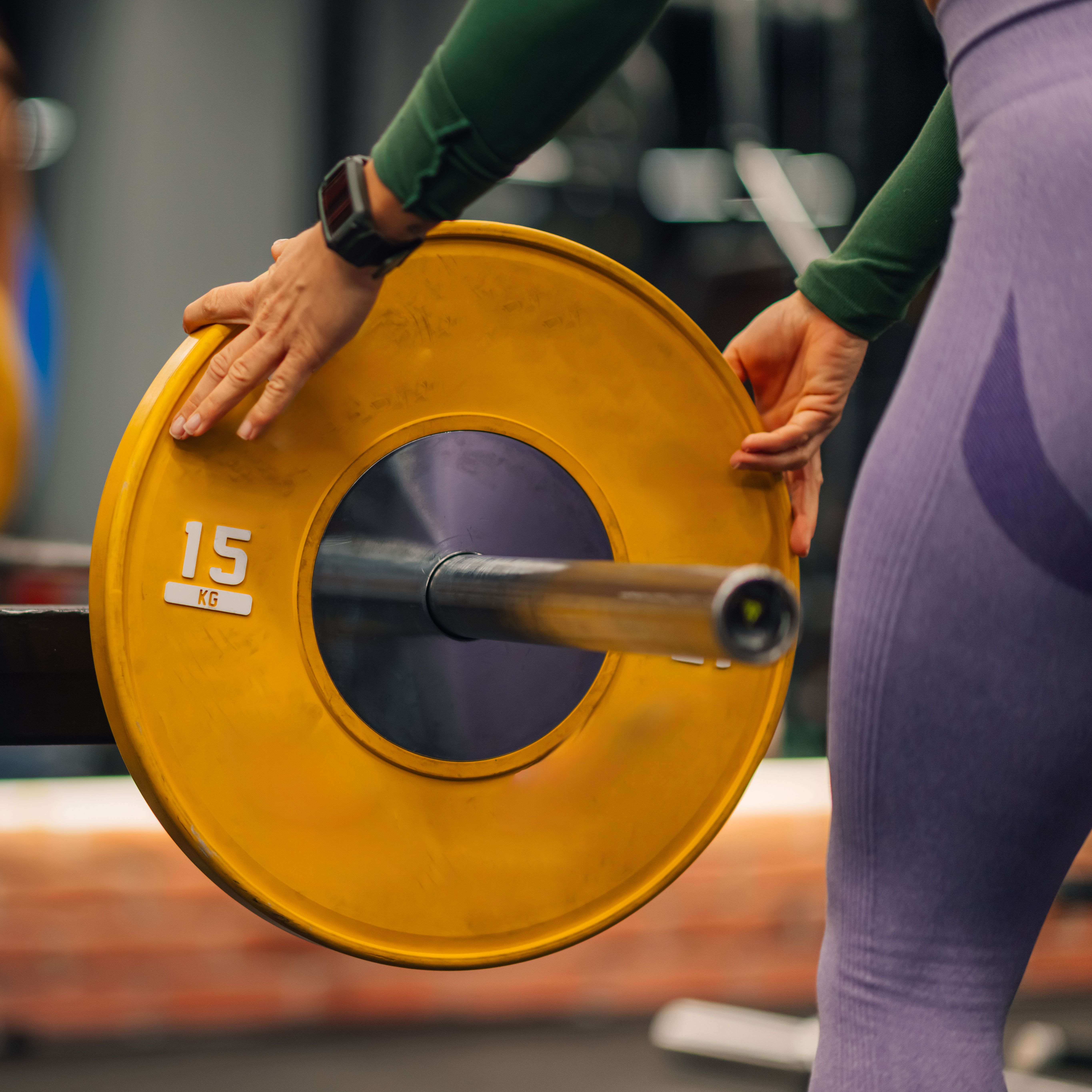
A lot of beginners lift the same weights for the same reps, week after week, and wonder why progress stalls. Muscles adapt to stress. If the stress never increases, the results plateau.
Progressive overload doesn't mean adding 20 pounds to the bar every session. It means small, consistent increases over time, whether that's more weight, more reps, or better form.
Simple ways to apply progressive overload:
- Add small amounts of weight once a lift feels easy for all sets
- Increase reps before increasing weight
- Track workouts to know what "last time" actually looked like
Manually tracking every rep and weight across dozens of sessions is where most people lose the thread. This is one of the more tedious parts of lifting to manage on paper, which is why FitnessAI's progressive overload engine handles it in the background, nudging weights and reps up automatically based on real performance data instead of guesswork.

Mistake #3: Ignoring Recovery
Rest days aren't a break from progress. They're part of it. Muscle growth and strength gains happen during recovery, not during the workout itself.
Beginners often either skip rest entirely out of eagerness, or take so much time off that momentum disappears. Both extremes get in the way of results.
Signs recovery needs more attention:
- Persistent soreness that doesn't improve after 48 to 72 hours
- Declining performance on lifts that used to feel manageable
- Trouble sleeping or unusual fatigue
Recovery needs also shift from week to week depending on sleep, stress, and training load. This is where recovery-aware training helps take the guesswork out of the equation. FitnessAI factors in recent training history to suggest when to push and when to dial things back, so recovery becomes part of the plan instead of an afterthought.

Mistake #4: Copying Someone Else's Program
Following a workout from a fitness influencer can be a good source of inspiration, but it's rarely built for the person watching it. Programs designed for someone with years of training experience, different goals, or full gym access don't always translate well to a beginner.
Questions to ask before following any program:
- Does this match my current experience level?
- Do I have access to the equipment it requires?
- Does it fit into the time I actually have each week?
This is one of the more overlooked beginner mistakes because the content looks credible. It's just not personalized. Equipment-based adjustments solve part of this problem directly. If a gym doesn't have a specific machine or a home setup is limited to dumbbells and a bench, FitnessAI swaps exercises automatically so the plan still works without forcing awkward substitutions on the fly.

Mistake #5: Neglecting Form for the Sake of Weight
Ego lifting, using more weight than can be controlled with good form, is one of the fastest ways to get hurt. It also reduces how effectively the target muscles are actually being worked.
Better approach:
- Choose a weight that allows full control through the entire range of motion
- Film sets occasionally to check form
- Slow down the lowering phase of each lift, since this is often where form breaks down first
Form matters more in the first few months than at almost any other point in a lifting journey, since it sets the movement patterns everything else is built on.

Mistake #6: Not Tracking Progress
Without a record of past workouts, it's nearly impossible to know if training is actually working. Beginners often judge progress by how sore they feel or how hard a workout was, but soreness isn't a reliable measure of results.
Real progress shows up in things like:
- Strength increases over weeks and months
- Changes in how clothes fit
- Improved endurance during daily activities
- Physical changes visible in photos over time, even when the scale doesn't move
This is exactly why visual progress tracking matters so much. Scale weight can stay flat while real body composition changes happen underneath it. FitnessAI's BodyScan feature gives people a way to see those shifts over time, which tends to be far more motivating than a number on a scale that doesn't tell the full story.
Mistake #7: Expecting Fast Results
Strength training is not a 30-day transformation. Visible changes in strength typically show up within the first few weeks, but noticeable changes in body composition usually take 8 to 12 weeks of consistent training.
Beginners who expect dramatic results in the first month often lose motivation right before real progress would have shown up.
Realistic timeline for beginners:
- Weeks 1 to 2: Learning movement patterns, adjusting to new stimulus
- Weeks 3 to 6: Noticeable strength gains, improved confidence with form
- Weeks 8 to 12: Visible changes in body composition and muscle definition
Patience is easier when there's a clear plan in place. FitnessAI's own 2026 user survey found that most people say they're tired of guessing whether what they're doing is actually working. Having a program that adjusts automatically removes a lot of that uncertainty, so people can focus on showing up instead of second-guessing every session.

Mistake #8: Letting Decision Fatigue Take Over
One of the least talked about beginner mistakes is the mental load of figuring out what to do every single time. What exercises, how many sets, how much weight, how long to rest. That adds up fast, especially for people already juggling a full schedule.
According to the same 2026 survey, lack of time is one of the most commonly cited barriers to consistent training, right alongside uncertainty about what to actually do in a session.
This is really a decision fatigue problem more than a time problem. When every workout requires a fresh set of choices, it's exhausting before the first rep even happens. FitnessAI's adaptive programming removes most of that friction by building the plan in advance and adjusting it automatically, so opening the app means the workout is already there instead of something that needs to be figured out first.
How to Build Better Habits From Day One
Avoiding these mistakes comes down to a few core principles:
- Start manageable. Two to three focused sessions beat five inconsistent ones.
- Track everything. Progress that isn't tracked is progress that's easy to lose sight of.
- Prioritize recovery. Rest is part of the program, not a break from it.
- Stay consistent over intense. Showing up regularly matters more than any single workout.
- Adjust as needed. A good plan should change based on real feedback, not stay rigid.
None of this requires perfection. It requires a system that accounts for the fact that real life gets in the way sometimes, and adjusts instead of falling apart.
Frequently Asked Questions
How many days a week should a beginner work out? Two to three sessions per week is a solid starting point. This allows enough recovery time while still building consistency.
How long does it take to see results as a beginner? Strength improvements often show up within 2 to 4 weeks. Visible changes in body composition typically take 8 to 12 weeks of consistent training.
Is it normal to feel confused about what exercises to do? Yes, this is one of the most common experiences for beginners. It's a big reason adaptive, personalized programs tend to work better than generic workout plans found online.
What's the biggest mistake beginners make? Doing too much too soon is one of the most common, but skipping progressive overload and ignoring recovery are close behind. All three tend to compound each other.
Final Thoughts
Every experienced lifter started exactly where a beginner is standing right now, unsure of the right weight, second-guessing form, wondering if any of it is working. The difference between people who stick with it and people who don't usually isn't talent or willpower. It's having a plan that adjusts to real life instead of demanding perfection.
That's the gap FitnessAI is built to close. It handles the guesswork around progressive overload, recovery, and equipment adjustments, so the only real decision left each day is showing up. From there, the app figures out the rest.
Download FitnessAI NOW!
Alyssa Gonzalez
