


Deload Weeks: Why Doing Less Helps You Grow More
Anyone who's spent serious time in the gym has probably hit that frustrating wall, training consistently, pushing heavier weights, doing everything by the book, and yet progress just... stalls. Motivation drops. The bar feels heavier than it should. Something's off, but it's hard to put a finger on what.
More often than not, the answer isn't doing more. It's doing less.
That's the idea behind deload weeks, and it's one of the most overlooked tools in any serious training program.
What Is a Deload Week?
A deload week is a planned stretch of reduced training, lower intensity, lower volume, or both, designed to give the body a chance to actually recover.
It's not a week off. It's a week of intentional, strategic backing off.
That might look like:
- Lifting lighter weights
- Doing fewer sets
- Training fewer days
- Focusing on form and movement quality rather than load
The goal isn't to coast, it's to reduce accumulated fatigue without losing the progress that's been built.
Why Deload Weeks Matter for Muscle Growth
Here's something most people get wrong: muscle doesn't grow during workouts. It grows afterward, while the body repairs and adapts to the stress that was placed on it.
Push too hard for too long without letting that process happen, and the body starts falling behind. Fatigue piles up. Progress stalls.

1. Fatigue Catches Up With Everyone
Hard training stresses more than just the muscles. Over time, the nervous system takes a hit. Joints and connective tissue accumulate wear. And unlike muscle soreness that fades in a couple of days, that deeper fatigue can linger and compound.
When it does, performance starts slipping, and that's usually when plateaus appear.
A deload week gives the whole system a chance to reset, so the next training cycle can actually deliver results.

2. Preventing Plateaus
For anyone who's searched things like "why am I not gaining muscle anymore" or "how to break a strength plateau," deloading is almost always part of the answer.
When the body is under constant stress, it stops responding. Recovery is what restores the ability to progressively overload again, and progressive overload is what drives growth.
Apps like FitnessAI handle this behind the scenes. Rather than leaving athletes to guess when a break is needed, the system tracks performance trends and recovery patterns, subtly reducing load or volume before fatigue turns into a plateau.

3. Injury Prevention
Pushing through accumulated fatigue doesn't just slow progress, it raises the injury risk considerably. Strains, joint pain, and overuse injuries tend to show up when the body never gets enough time to catch up.
This is especially relevant for people balancing demanding jobs, inconsistent sleep, and everything else life throws at them, which, honestly, describes most people in their 20s and 30s.
A deload week gives joints and connective tissue the breathing room they need, not just the muscles.

4. Mental Reset
Training hard week after week takes a toll mentally, not just physically. The enthusiasm that made early sessions feel exciting can quietly erode into something that feels more like a grind.
A deload week takes the pressure off. It keeps the habit of showing up intact without the weight of constant intensity. And in the long run, that consistency matters far more than any single hard week ever will.
Signs It's Time to Deload
Deload weeks don't always have to follow a rigid schedule, the body usually sends signals first.
Worth paying attention to:
- Strength declining across multiple sessions
- Workouts feeling harder than the numbers suggest they should
- Soreness that won't fully go away
- Sleep quality getting worse
- A noticeable dip in motivation to train
FitnessAI users often catch these patterns through their performance trends before they become real problems. When reps drop or weights stall across sessions, the app adjusts the plan automatically, no second-guessing required mid-workout.
How to Do a Deload Week Properly
There's no single formula, but a few approaches tend to work well depending on the situation.
Option 1: Reduce Weight (Intensity Deload)
Drop weights to around 60–70% of normal. Keep the same exercises and structure, just take the load down.
Best for maintaining movement patterns and staying in a familiar routine.
Option 2: Reduce Volume
Keep the weights roughly the same but cut sets in half, or trim the total number of exercises.
Best for people who still want to feel like they did something, or those with tight schedules.
Option 3: Combine Both
Lower the weight and reduce volume at the same time.
Best for periods of high fatigue or after especially intense training blocks.
Option 4: Active Recovery
Swap the lifting sessions entirely for walking, mobility work, or light cardio.
Best when burnout is the main issue, physical or mental.
.png)
How Often Should Someone Deload?
The conventional recommendation is every 6 to 8 weeks, but that's a guideline, not a law. Training intensity, experience level, recovery habits, and life stress outside the gym all factor in.
The real challenge is timing. Deload too late and burnout or injury becomes likely. Deload too early and progress gets unnecessarily interrupted.
FitnessAI addresses this by adapting in real time rather than following a fixed schedule. If recovery is going well, it keeps pushing. If not, it backs off slightly to keep things moving in the right direction.
The Biggest Mistake People Make
Treating a deload week like failure.
It isn't. It's maintenance of the progress that's already been built.
Skipping deloads tends to lead to longer plateaus, forced time off from injury, and inconsistent training overall. A well-timed deload keeps things smooth and sustainable over the long haul.
.png)
How Deloading Fits Into Progressive Overload
Progressive overload is the engine of muscle growth, but it only works if the body keeps adapting.
Training provides the stimulus. Recovery is where adaptation actually happens. No recovery means no adaptation, no matter how hard someone trains.
FitnessAI is built around this balance. Rather than blindly increasing weights, it adjusts each workout based on what was actually completed, reps hit, performance trends over time, and how the body is responding. Periods of lower stress get built in naturally, so deloads don't have to be manually planned.
Deload Weeks for Busy People
For anyone juggling work, family, and a packed schedule, deload weeks are especially valuable. They reduce time in the gym, lower both physical and mental stress, and make long-term consistency a lot more realistic.
Perfect workouts aren't the goal. Sustainable ones are.
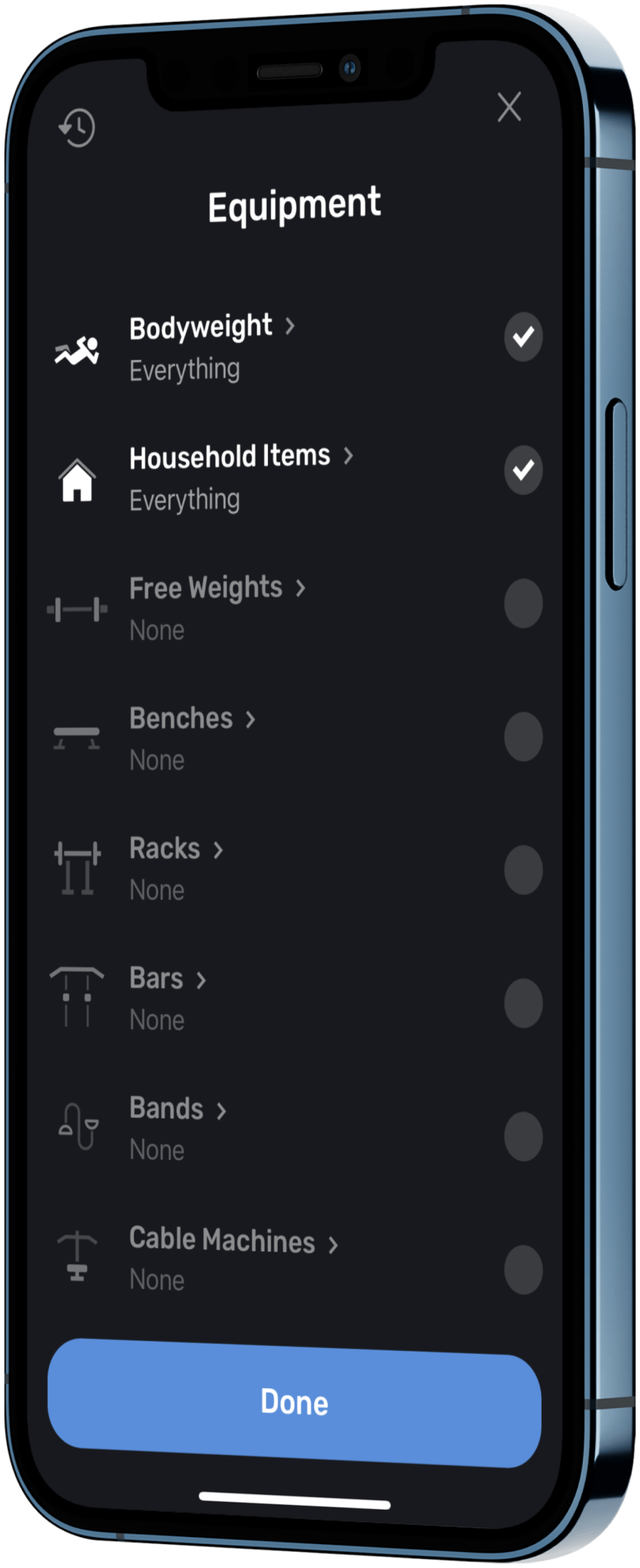
And for those whose schedules are unpredictable, having a tool like FitnessAI adjust workouts based on available equipment and time makes it far easier to stay on track without overthinking every session.
Simple Deload Week Plan
For a practical starting point:
- 3–4 workouts during the week
- 60–70% of normal weight
- Sets cut by 30–50%
- Focus on form and control over load
The benchmark for a successful deload session: leaving the gym feeling better than walking in.
Final Thoughts
Doing less isn't the opposite of progress, it's part of what makes progress sustainable.
Deload weeks help break plateaus, speed up recovery, protect against injury, and keep training consistent for the long term. For anyone who's been pushing hard without seeing results, a well-timed deload might be exactly what's been missing.
And for those who'd rather not spend mental energy planning all of this out, tools like FitnessAI handle the adjustments quietly in the background, so the focus can stay where it belongs: showing up and putting in the work.
Download FitnessAI today!
Alyssa Gonzalez
