


How to Maintain Strength While Traveling (Without a Full Gym)
Travel has a way of humbling even the most disciplined gym-goers.
The schedule gets unpredictable. Sleep takes a hit. And the hotel "fitness center" turns out to be one treadmill, a pair of 15-pound dumbbells, and a stability ball collecting dust in the corner.
Here's the thing, none of that has to derail progress.
Research consistently shows that maintaining strength requires far less training volume than building it. The goal during travel isn't hitting personal records. It's keeping the engine running, holding onto hard-earned strength, and coming home ready to pick up where things left off.
For busy adults navigating work trips, vacations, family visits, and chaotic schedules, showing up consistently matters a lot more than showing up perfectly.
.png)
Can Strength Actually Be Maintained Without a Full Gym?
Yes. And it's more achievable than most people expect.
One of the most persistent myths in fitness is that skipping the usual gym setup means automatically losing progress. In reality, strength fades much slower than the anxiety around it would suggest.
As long as muscles are being challenged through resistance training, even with limited equipment, the majority of strength and muscle mass can be held onto for weeks.
The body just needs a reason to keep what it's already built.
That comes down to a few basics:
- Training consistently
- Working sets close to muscular fatigue
- Keeping movement patterns familiar
- Prioritizing protein intake
- Avoiding long stretches of complete inactivity
For most travelers, the obstacle isn't physical. It's logistical.
The equipment is uncertain. The time available is unclear. And figuring out what workout even makes sense in a given moment takes energy that's already in short supply.
That's exactly where having structure pays off.
Why Momentum Tends to Break Down While Traveling
It comes down to decision fatigue.
At home, the routine is already wired in. There's a gym, a workout plan, a weight on the bar, and a time to be there. The mental load is low because the decisions have already been made.
Travel strips all of that away.
Suddenly the questions pile up:
- Should training happen today?
- What exercises are even possible here?
- Is this hotel gym enough to bother with?
- How long should the workout be?
The more questions in the way, the more likely it is that the session gets skipped entirely.
This is one reason so many FitnessAI users say they downloaded the app because they were tired of guessing, they wanted to know exactly what to do and how to do it. Survey data from FitnessAI's 2026 user research confirms it: eliminating workout guesswork is the number one reason people start using the platform.
That need doesn't disappear while traveling. It gets stronger.
The Best Approach to Travel Workouts
The goal isn't to recreate a normal gym session in a hotel room. It's to maintain strength with whatever is available.
Organizing training around five foundational movement patterns covers most of what matters:
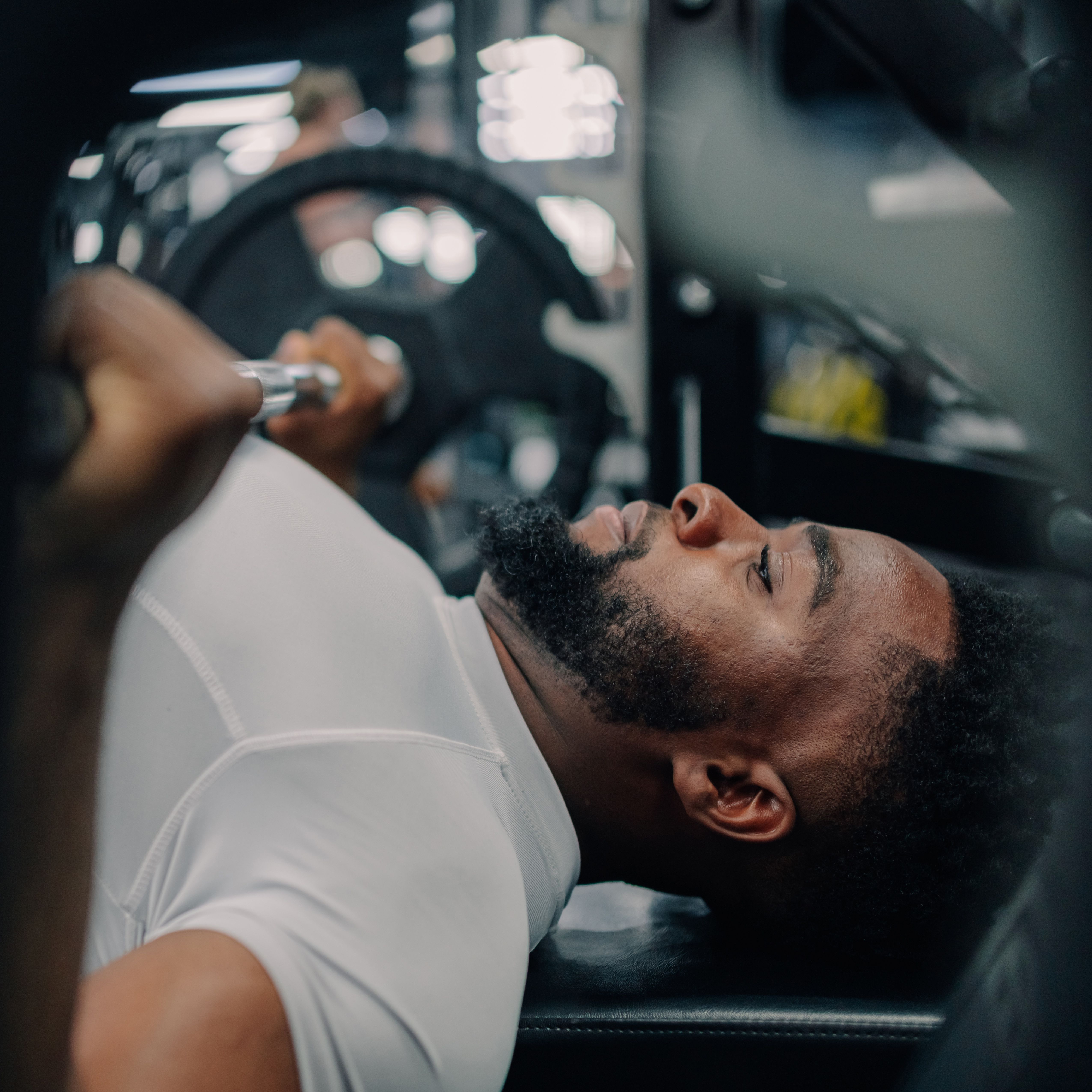
1. Push Movements
Examples:
- Push-ups
- Dumbbell bench press
- Incline push-ups
- Dumbbell shoulder press
These keep the chest, shoulders, and triceps from going dormant.

2. Pull Movements
Examples:
- Dumbbell rows
- Inverted rows
- Resistance band rows
- Pull-ups if available
Pulling work preserves upper back and biceps strength, which tends to slip fast without attention.
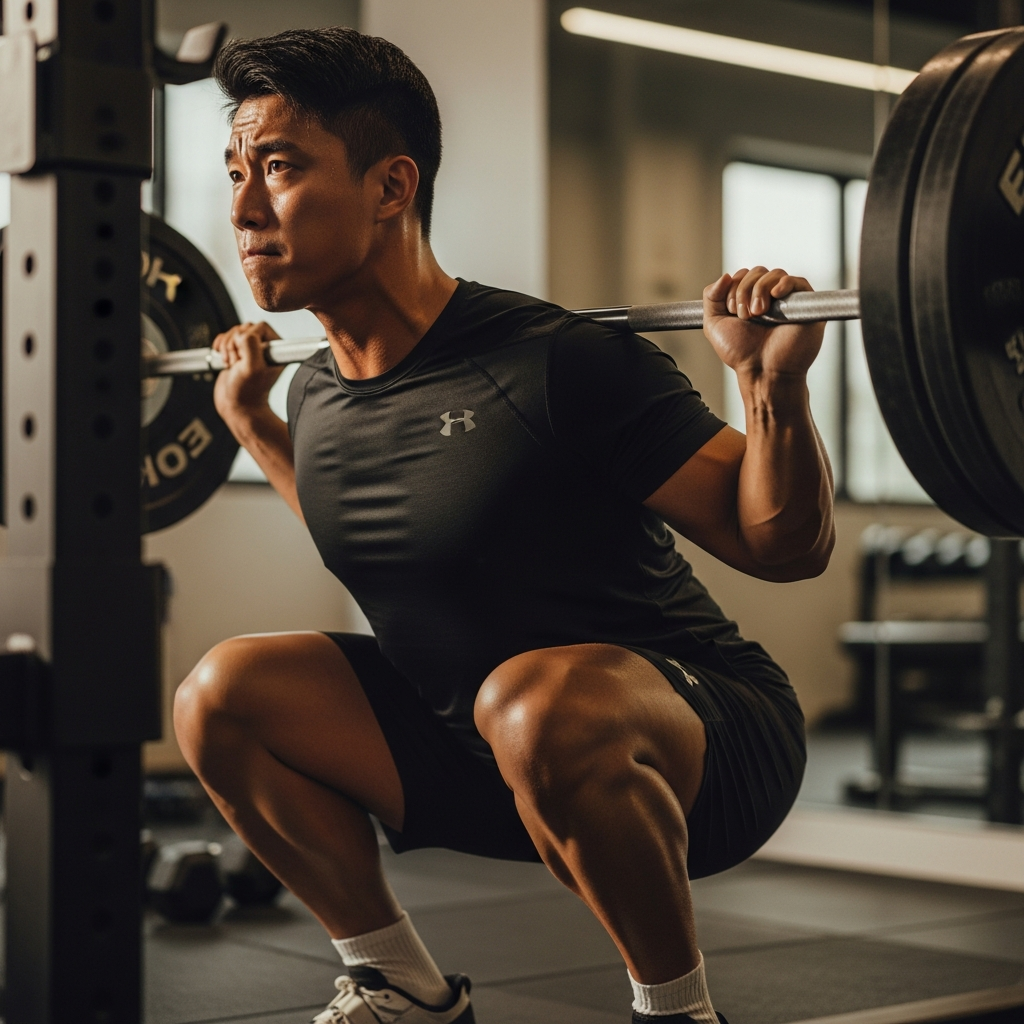
3. Squat Patterns
Examples:
- Goblet squats
- Split squats
- Bulgarian split squats
- Bodyweight squats
Single-leg work can be surprisingly taxing even without heavy weights.
.png)
4. Hip Hinge Movements
Examples:
- Dumbbell Romanian deadlifts
- Single-leg RDLs
- Hip thrusts
- Glute bridges
These protect posterior chain strength, which is easy to lose and slow to rebuild.
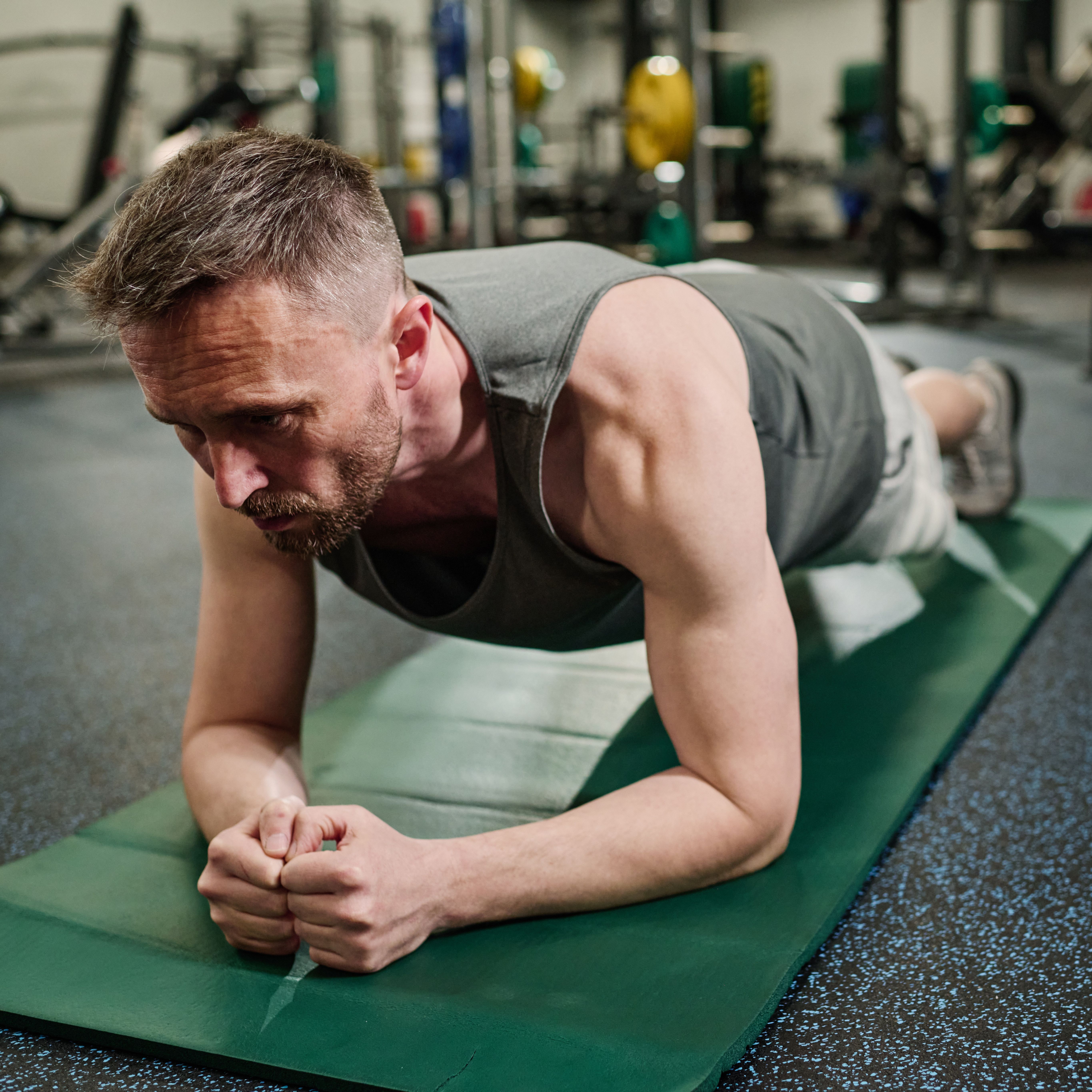
5. Core Training
Examples:
- Planks
- Dead bugs
- Hanging knee raises
- Side planks
A trained core supports everything else. It's worth protecting.
What If the Hotel Gym Is Genuinely Terrible?
It happens more than people like to admit.
A handful of light dumbbells, one cable machine, and a row of cardio equipment is a pretty common reality. But it's enough to work with.
When the weight isn't there, the training difficulty can come from other places:
Slowing Down Reps
A three-to-five-second lowering phase changes a light weight into a real challenge. More time under tension creates a meaningful training stimulus even when the load feels underwhelming.
Increasing Repetitions
Higher rep ranges can absolutely maintain muscle and strength, as long as sets are pushed close to failure. The number on the dumbbell matters less than the effort put into the set.
Using Unilateral Exercises
Single-arm and single-leg movements effectively double the demand without needing heavier equipment.
Examples include:
- Bulgarian split squats
- Single-arm rows
- Single-leg RDLs
- Walking lunges
Reducing Rest Periods
Shorter rest periods increase training density. The workout gets harder without a single piece of extra equipment being added.
The equipment doesn't need to be perfect. The effort does.
How Long Should Travel Workouts Actually Be?
Shorter than most people assume.
There's a widespread belief that a workout needs to be an hour to count. It doesn't.
Even 20 to 30 minutes of focused resistance training can effectively maintain strength during a trip. On a particularly squeezed day, even 5 to 10 minutes keeps momentum alive in a way that skipping entirely does not.
This is part of why FitnessAI supports workout lengths ranging from 5 to 30 minutes. The logic is simple: a short workout done is worth more than a full workout skipped.
Progress doesn't need perfect conditions. It needs consistency.

How to Adjust Training When Equipment Keeps Changing
One of the most frustrating parts of traveling is that the training environment isn't stable.
A full commercial gym one day. Hotel dumbbells the next. Resistance bands in a friend's spare room the day after that.
Constantly redesigning a workout plan from scratch is exhausting, and for most people, it eventually leads to just not working out at all.
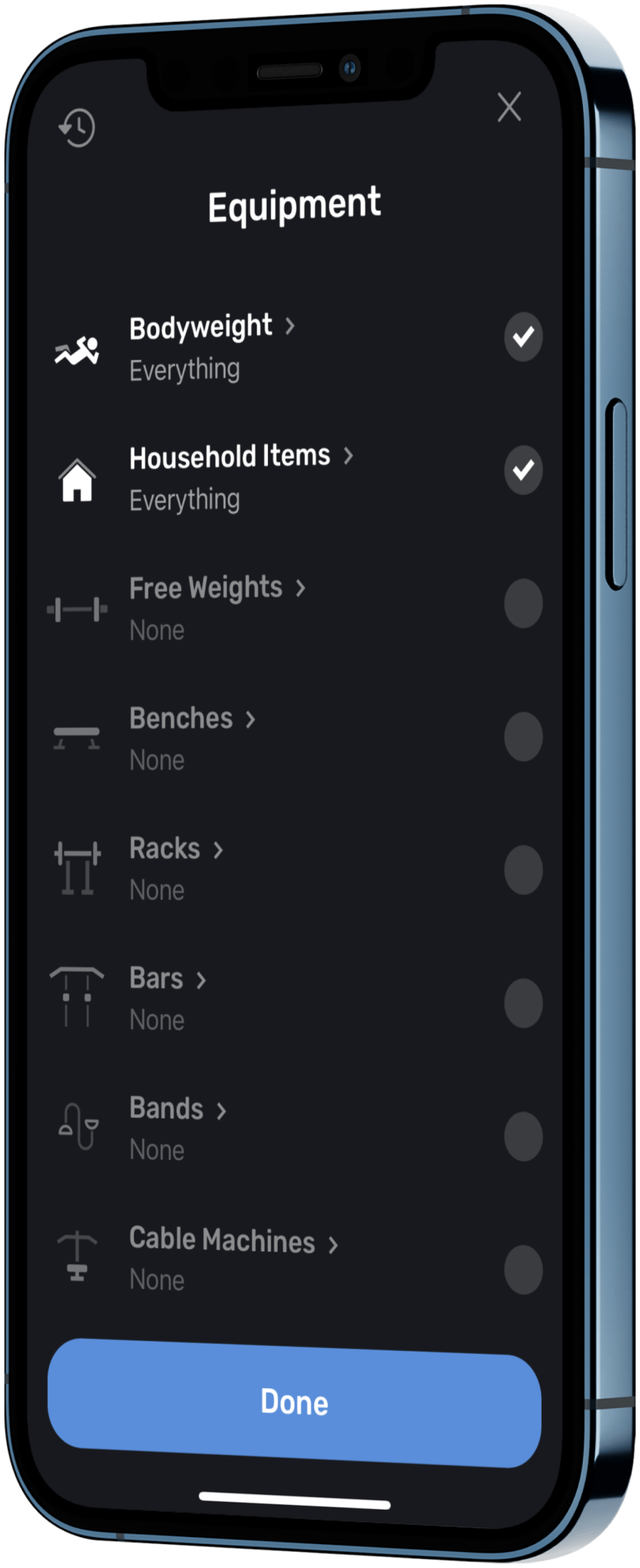
FitnessAI handles this by adapting workouts based on available equipment. Whether someone is in a full gym, a hotel fitness center, a home gym, or working with a few dumbbells and floor space, the app adjusts the exercise selection automatically while keeping progression on track.
Instead of building a plan from scratch every session, the work is already done. Users show up, open the app, and follow the workout. The adjustments happen behind the scenes.
How to Hold Onto Strength on Longer Trips
For trips stretching beyond a week, three factors are worth keeping a close eye on.
Protein Intake
Aim for roughly 0.7–1 gram of protein per pound of bodyweight daily. Protein helps preserve muscle tissue when training volume inevitably dips.
Sleep
Travel messes with recovery more than most people account for. A few simple habits help:
- Keeping sleep and wake times as consistent as possible
- Limiting alcohol
- Staying hydrated
- Getting natural light early in the day
Training Intensity
The usual weights might not be available. That's okay.
What the body responds to is effort, not just load. Working sets should still feel genuinely hard. If the last few reps don't require real focus, more challenge is needed, whether that's slowing down, adding reps, or switching to a unilateral variation.
How FitnessAI Helps Keep Things on Track While Traveling
Uncertainty is what kills consistency. FitnessAI was built to remove it.
Rather than trying to figure out which exercises to do, how much weight to use, how many sets are appropriate, or how to adapt for whatever equipment happens to be available, the app takes care of all of it.
FitnessAI users consistently describe the app's biggest value as not having to think about the workout. Just showing up and following the plan. That benefit becomes especially meaningful during travel, when everything else is already demanding more mental energy than usual.
Whether someone is training in a hotel gym, a garage, or a small apartment with a pair of adjustable dumbbells, FitnessAI adjusts the plan and keeps the progression moving forward.
Because maintaining strength while traveling isn't about finding ideal conditions.
It's about maintaining momentum until the normal routine is within reach again.
The Bottom Line
Travel doesn't have to erase months of hard work.
Most people lose momentum because they lose structure, not because they've lost access to equipment.
The path forward is straightforward:
- Train consistently
- Prioritize the foundational movement patterns
- Work hard with whatever equipment is available
- Keep protein intake up
- Keep workouts simple
The goal during travel isn't the best training week of the year.
It's coming home ready to pick up exactly where things left off.
Progress should be predictable. Even when the travel schedule isn't.
Frequently Asked Questions
How can strength be maintained while traveling without a gym?
Bodyweight exercises, dumbbells, resistance bands, and single-leg movements can all be effective tools. Training consistently and working close to muscular fatigue can preserve strength for weeks, even without a fully equipped gym.
How often should someone work out while traveling?
Aiming for two to four resistance training sessions per week is a solid target. Even short sessions can go a long way toward maintaining muscle and strength during a trip.
Will muscle be lost after a week off from the gym?
Most people won't experience meaningful muscle loss after a single week away. Strength and muscle typically decline much more slowly than the worry around them would suggest.
What is the best app for travel workouts?
The best travel workout app adapts to whatever equipment and time are available. FitnessAI automatically adjusts workout selection based on the training environment while maintaining progressive overload, so users don't have to redesign their plan every time the situation changes.
Can short workouts actually maintain muscle?
Yes. Research shows that relatively low training volumes can maintain muscle and strength when intensity remains high and sessions happen consistently. A focused 20-minute workout beats a skipped hour every time.
Download FitnessAI HERE!
Alyssa Gonzalez
