


Does Muscle Soreness Mean You Had a Good Workout?
The workout felt great. Then morning comes, and suddenly every stair feels personal.
That soreness can feel like proof the workout worked, but muscle soreness doesn't necessarily mean a workout was good, and skipping the soreness doesn't mean it failed.
Delayed onset muscle soreness, or DOMS, has more to do with unfamiliar training, eccentric movement, and changes to a routine than with how much muscle or strength someone is actually building. The body also adapts to repeated training, so it's entirely possible to get less sore from the same exercise while still making real progress.
The better question isn't "Am I sore?" It's "Am I progressing?"
What Causes Muscle Soreness After a Workout?
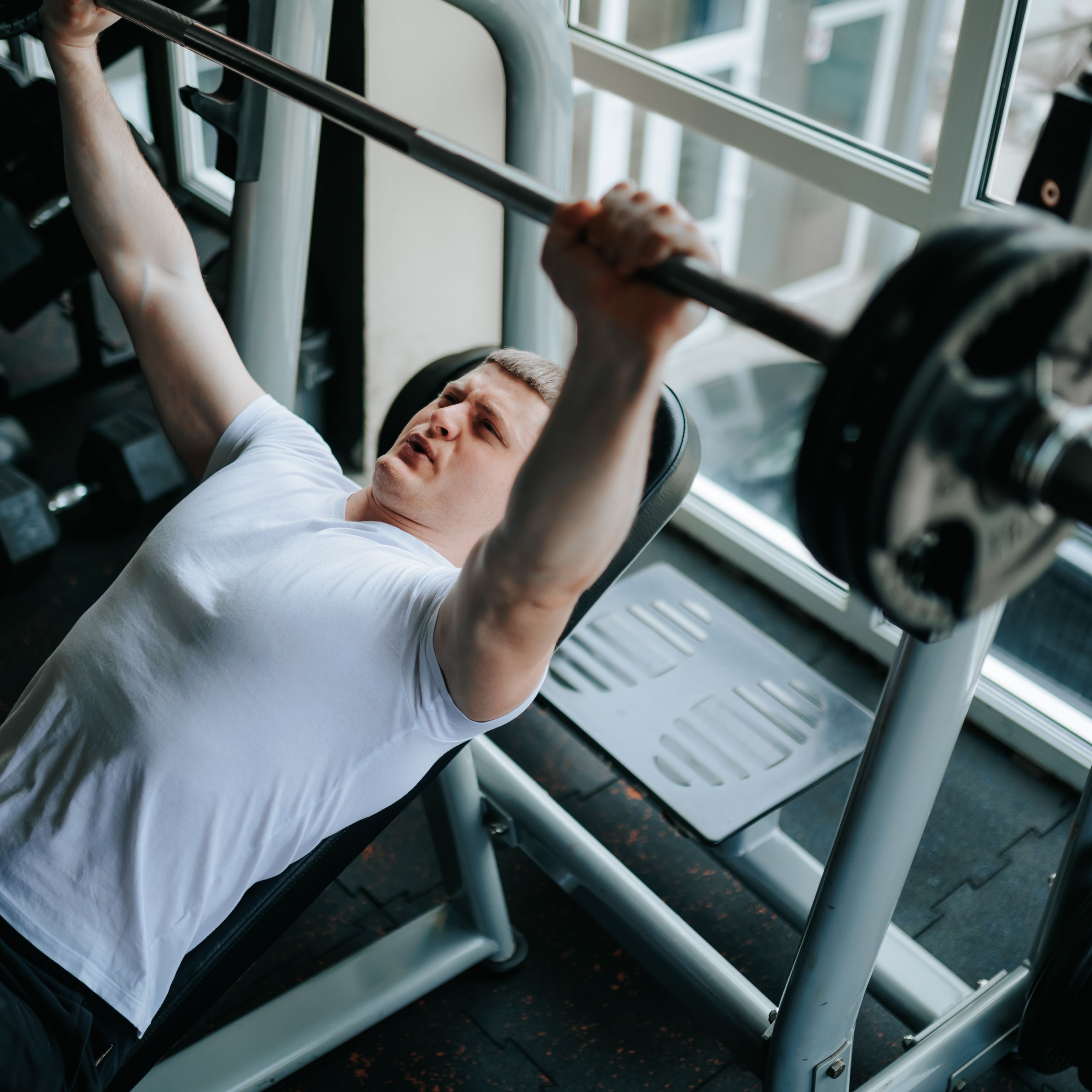
The soreness that shows up after strength training is usually delayed onset muscle soreness, better known as DOMS. Unlike the burn felt mid-set, DOMS shows up later, often peaking the next day, especially after something unfamiliar or unusually demanding.
DOMS is closely tied to eccentric muscle actions, when a muscle lengthens under load, like lowering a dumbbell during a curl, descending into a squat, or controlling the way down from a pull-up. Studies have repeatedly linked unfamiliar eccentric work with soreness and other short-term signs of muscle damage.
Soreness tends to show up when someone:
- Tries a new exercise
- Returns to lifting after time off
- Bumps up training volume by a lot
- Trains through an unfamiliar range of motion
- Adds movements with a heavy eccentric component
That's why a brand-new workout can turn stairs into a technical challenge, while a familiar one barely registers the next day. That difference doesn't mean the new workout was the better one.
Does Being Sore Mean You're Building Muscle?
Not really. Muscle soreness and muscle growth aren't the same thing.
Soreness signals that the body took on a stress it wasn't fully used to, but it doesn't say much about how effective that stress actually was for building muscle. Some research has even found measurable muscle growth happening during resistance training with little to no soreness or damage markers at all.
That matters, because it pokes a hole in a pretty common gym belief: more soreness doesn't automatically mean more muscle. A workout can be productive and still leave someone feeling basically normal the next day, and it's just as possible to be extremely sore without having done anything particularly smart.
If soreness were the goal, 200 walking lunges after six months off would count as great programming. It doesn't.
Why Do I Stop Getting Sore From the Same Workout?
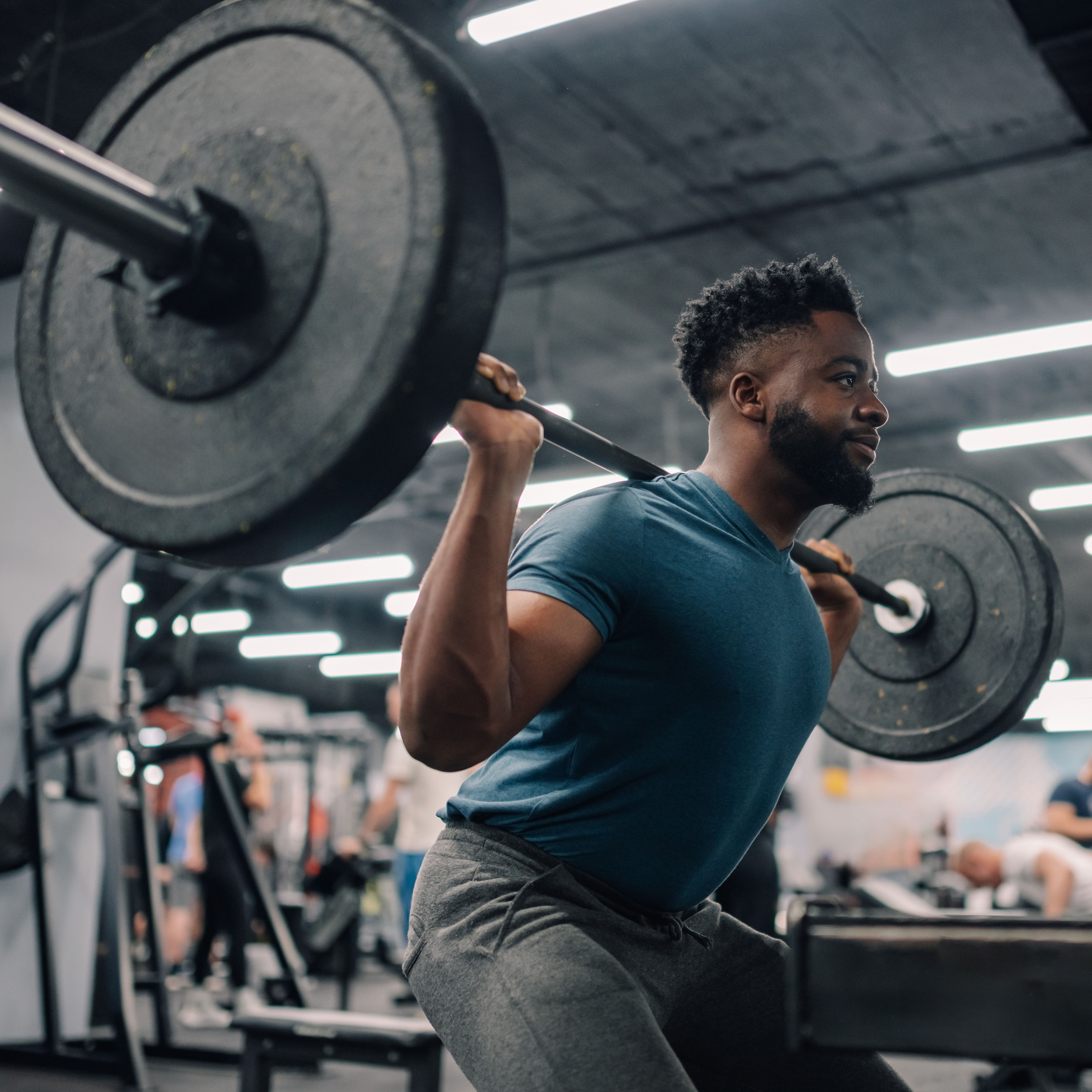
Because the body adapts. Researchers call it the repeated bout effect: once someone has done a certain type of exercise, their body gets better at handling it next time around.
A 2023 systematic review and meta-analysis found soreness and other muscle damage markers dropped significantly after repeated bouts of multi-joint exercise, and newer research keeps backing up that same protective adaptation after repeated eccentric training.
Picture adding Romanian deadlifts to a program for the first time. Week one might leave the hamstrings wrecked. A few weeks later, the same movement can be done with more weight and better control, and with a lot less soreness. Did the exercise stop working? No, the body just got better at it.
Is it bad if I'm not sore after lifting?
Usually not. If lifts are progressing, technique is improving, and training is happening consistently, there's no need to chase soreness just to feel like something was accomplished. Getting less sore from familiar training is often just a sign of adapting to it, not a sign of slacking off. Muscles don't need to file a complaint after every session for the session to count.
What Actually Makes a Strength Workout Effective?
Instead of grading a workout by soreness, it helps to look at what happens over several weeks.
1. Performance is improving
Is more weight going up over time? Are more reps happening with the same weight? Is the movement getting more controlled, or is useful training volume increasing? Those changes say a lot more about training progress than whether a set of quads is complaining in a chair the next day.
2. Progressive overload is happening
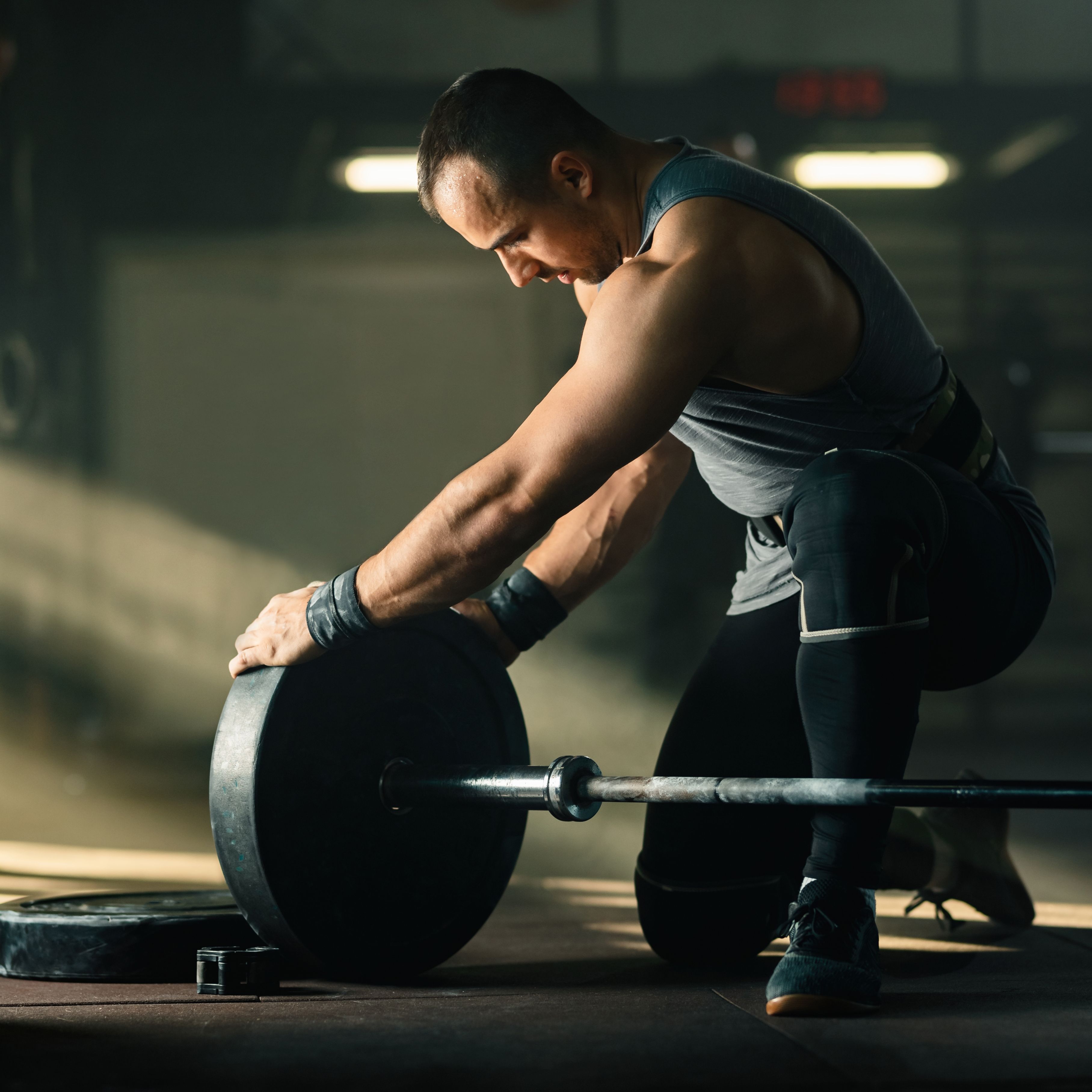
Progressive overload means gradually increasing the demands placed on the body as it adapts. That doesn't mean adding weight every single workout no matter what happened last time. Progress can look like:
- Lifting more weight
- Completing more reps
- Improving technique
- Increasing useful training volume
- Controlling the same load more effectively
The key word is gradually. Good programming gives the body a reason to adapt without constantly switching exercises or chasing exhaustion.
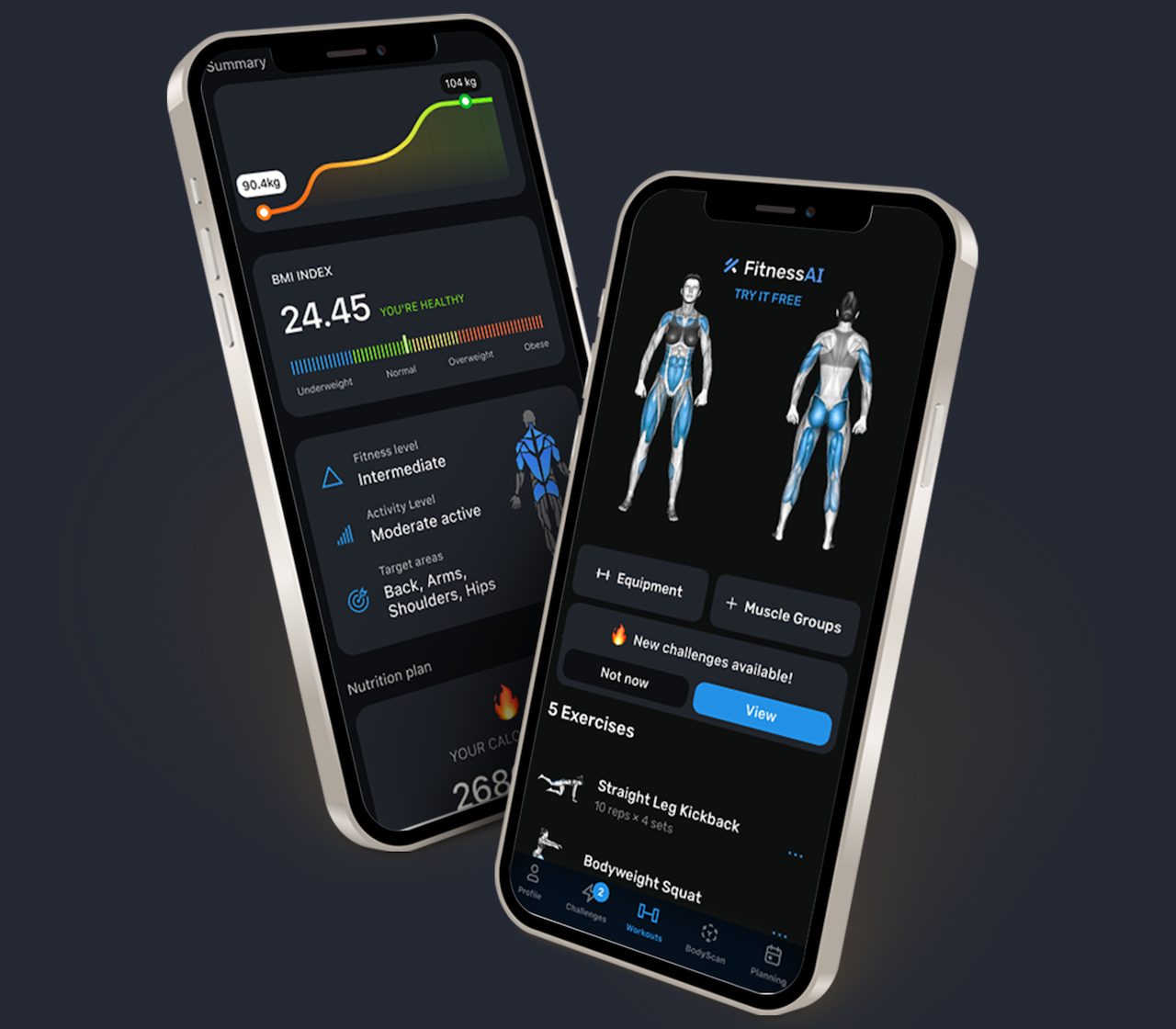
This is where tracking earns its keep, since nobody should have to remember whether they used the 45s or the 50s three Tuesdays ago. FitnessAI uses training performance to adjust sets, reps, and weight over time, instead of asking users to decide what "feels harder" every session. Its progressive overload system runs on millions of training data points, with recovery-aware adjustments that shift intensity and volume based on performance and fatigue.
Progress should be predictable. Soreness doesn't need to be.
3. Training is consistent enough to actually adapt
The perfect workout done occasionally is worth a lot less than a solid plan someone can actually stick with, and that matters especially for busy adults.
In FitnessAI's February 2026 survey, 33.4% of users named time as their biggest barrier to consistency, and 44.3% said they downloaded FitnessAI in the first place because they were tired of guessing or building their own plan. FitnessAI's brand research also shows its core users tend to train three to four days a week.
The takeaway is simple: training needs to fit into real life well enough to actually keep happening. Some weeks that's a full session, other weeks it's a shorter one squeezed in wherever it fits. Consistency is what gives progressive overload somewhere to go.
Should You Try to Get Sore After Every Workout?
No. Chasing soreness can actually work against the goal, which is consistent, progressive training. Significant soreness can temporarily cut into strength and range of motion after something unfamiliar or damaging, and if every workout leaves someone too sore to move normally for days afterward, the training may be creating more fatigue than it needs to.
That doesn't make soreness a bad thing. Some soreness is completely normal, especially when:
- Starting strength training
- Coming back after a break
- Switching up exercises
- Increasing training volume
- Working a muscle through an unfamiliar range of motion
Just don't turn soreness into the goal. The goal is adaptation.
How Sore Is Too Sore to Work Out?
Mild soreness doesn't automatically mean skipping training. It helps to actually check in with how the body feels and moves.
If the soreness is mild, movement isn't noticeably affected, and technique still feels solid, training as planned, or hitting a different muscle group, is usually fine. If soreness is significant, movement is clearly off, or performance is taking a real hit, more recovery time probably makes more sense.
This is where a rigid workout calendar starts to fall apart. Tuesday might say "legs." The legs, unfortunately, didn't get a vote. FitnessAI's recovery-aware adjustments are built to factor in fatigue, recovery, and past performance when adjusting training intensity and volume.
The goal isn't avoiding hard training. It's making sure the next workout is productive too.
What if the pain feels sharp instead of sore?
Normal post-workout soreness generally feels different from sudden, sharp, localized, or worsening pain. Severe pain, significant swelling, unusual weakness, dark urine, or anything that feels meaningfully different from typical soreness is a sign to stop and get medical attention. There's no bonus progress for training through an injury.
How Can You Tell If Your Workout Is Actually Working?
Trends matter more than soreness. Over several weeks, it's worth asking:
- Are the lifts progressing? Look for increases in weight, reps, quality volume, or control.
- Is recovery good enough to train consistently? A program should challenge someone without regularly wrecking the next workout.
- Is technique improving? More weight only helps if the movement is still solid.
- Is this moving toward the actual goal? Strength, muscle growth, and body composition changes happen over time, so it's worth tracking that way.
- Is this routine sustainable? A program has to survive busy weeks, travel, crowded gyms, and the occasional rushed 20-minute session.
This is a big part of why tracking training matters so much. FitnessAI automatically uses past performance to adjust future workouts, and can adapt sessions around available equipment or shorter windows of time. Its BodyScan feature also offers another way to follow visual changes over time, instead of relying entirely on how one session felt.
A sore muscle is a sensation. Progress is a pattern.
What Should You Track Instead of Muscle Soreness?
For anyone focused on building muscle or getting stronger, a few signals matter more than soreness ever will.
Track weights and reps
Training history gives context. If 8 reps at a certain weight was the max last month and 10 reps feels comfortable now, something changed, and that's progress that can actually be measured.
Track workout consistency
One great week doesn't say much. Several months of regular, appropriately challenging training says a lot. This is where the unglamorous stuff wins out, since small improvements pile up quietly until they're not small anymore.
Track recovery and performance together
Recovery isn't separate from training, it's part of the same system. If performance keeps slipping, fatigue feels unusually high, and recovery between sessions is getting harder, piling on more work probably isn't the fix. Sometimes the smarter move is allowing enough recovery to make the next real increase possible.
Track visual progress if physique is the goal
Day-to-day bodyweight can swing for all kinds of reasons. If muscle growth or body composition is the priority, progress photos or consistent visual tracking add context that the scale alone can't. FitnessAI's BodyScan is built specifically for visual progress tracking, so users can see changes over time instead of depending on one number on a scale.
Sore After a Workout? Here's What to Do
There's no need for an elaborate recovery ritual just because the hamstrings are complaining. Start with the basics.
Keep moving normally when it's comfortable. Light activity is usually fine with mild soreness, as long as it doesn't make things worse.
Give the muscle actual recovery time. There's nothing to prove by repeating the exact workout that made sitting down complicated.
Eat enough to support training. Adequate protein and overall nutrition matter for recovery and adaptation.
Prioritize sleep. Training provides the stimulus, and recovery is when the body actually responds to it.
Don't panic over less soreness next time. That's often exactly what adaptation looks like.
Research on the repeated bout effect keeps showing the same thing: repeated exposure to similar exercise leads to less soreness and less muscle-damage response. Less soreness doesn't automatically mean less progress.
The Bottom Line: Soreness Is Feedback, Not a Score
Muscle soreness can signal that the body took on something unfamiliar or demanding. That's useful information, but it just isn't a report card.
Nobody needs to finish every workout wrecked or wake up sore for the training to be effective. Gradual strength gains, more productive work, appropriate recovery, and consistency are what actually mean the plan is working.
Progress should be predictable. That's the better way to approach strength training: track what happened, adjust based on it, and let small improvements stack up instead of chasing a dramatic feeling after every session.
FitnessAI is built around that same idea. Workouts adjust based on performance, recovery, available equipment, and training history, so nobody has to decide whether feeling sore enough means they did enough. Show up. FitnessAI handles the plan.
Frequently Asked Questions
Does muscle soreness mean muscle growth?
No. Muscle soreness can happen alongside productive resistance training, but soreness by itself isn't proof that muscle growth occurred. Some research has even found hypertrophy happening during resistance training without much soreness or eccentric muscle damage at all.
Is a workout still effective if I'm not sore the next day?
Yes. A workout can absolutely be effective without causing noticeable soreness. As the body adapts to familiar exercises, soreness commonly drops even while training stays challenging.
Why was I more sore when I first started working out?
New or unfamiliar exercises create a stimulus the body hasn't adapted to yet. After repeated exposure, the repeated bout effect makes future sessions less likely to cause the same level of soreness.
Should I work out when my muscles are sore?
Mild soreness doesn't necessarily rule out training, especially if movement feels normal and technique holds up. Significant soreness that changes movement or noticeably reduces performance is a better reason to adjust the session or take more recovery time.
How do I know if my workout was good?
Longer-term signals matter more: increasing weights or reps, improving technique, completing productive training volume, recovering appropriately, and staying consistent. Those trends tell a lot more than judging one workout by soreness alone.
Download FitnessAI NOW!
Alyssa Gonzalez
