


Creatine: Should You Take It? ATP, Brain Health, Longevity, and More
Anyone who has ever googled "should I take creatine?" has probably encountered two completely opposite camps.
One side insists it's the most researched and effective supplement out there for strength and muscle growth. The other side raises concerns about water retention, bloating, or potential long-term health effects.
So what's actually true?
This guide breaks down what creatine actually does, how it affects ATP and performance, what the research says about brain health and longevity, and whether it makes sense for someone to add to their routine. No hype. Just practical advice.
.png)
What Is Creatine?
Creatine is a naturally occurring compound found in muscles and the brain. The body makes it from amino acids, and people also get small amounts from foods like red meat and fish.
About 95 percent of the body's creatine is stored in skeletal muscle. Its main job is helping produce ATP, which is the body's immediate energy source for high-intensity activity.
If someone lifts weights, sprints, or does short bursts of effort, creatine plays a direct role in how much power they can produce.
Creatine and ATP: Why It Improves Strength
When people search "how does creatine work?" the real answer comes down to ATP.
What is ATP?
ATP stands for adenosine triphosphate. It's the energy currency of cells. When someone contracts a muscle, they use ATP.
The problem is that the body only stores enough ATP for a few seconds of hard effort.
.png)
Where creatine comes in
Creatine is stored in muscles as phosphocreatine. It helps regenerate ATP quickly during short, intense efforts like:
- Heavy sets of 5 to 8 reps
- Sprint intervals
- Explosive movements
- High-intensity resistance training
By increasing phosphocreatine stores, creatine allows someone to:
- Squeeze out an extra rep or two
- Maintain power output across sets
- Recover slightly faster between sets
Over weeks and months, those small improvements add up to more progressive overload, which is the real driver of muscle growth.
And that's where most people go wrong. They take creatine but train randomly. No progression. No structure.
Creatine helps someone push harder. But they still need a system that adjusts weight, reps, and volume intelligently.
That's exactly where something like FitnessAI becomes powerful. Instead of guessing the next weight increase, the app uses AI-powered progressive overload based on past performance. When creatine allows someone to hit more reps, the program adapts automatically. They're not leaving gains on the table.
Does Creatine Help Build Muscle?
Short answer: yes.
Creatine is one of the most studied supplements for muscle growth and strength training.
Research consistently shows:
- Increased strength and power output
- Increased lean body mass
- Improved training volume over time
.png)
Some of the early weight gain is water stored inside muscle cells. But this isn't the same as subcutaneous bloating. It's intracellular water, which may actually support muscle growth.
If someone's wondering "is creatine good for beginners?" the answer is also yes. Beginners respond especially well because everything is new, including the stimulus.
But supplements only amplify good training. They don't fix inconsistent workouts.
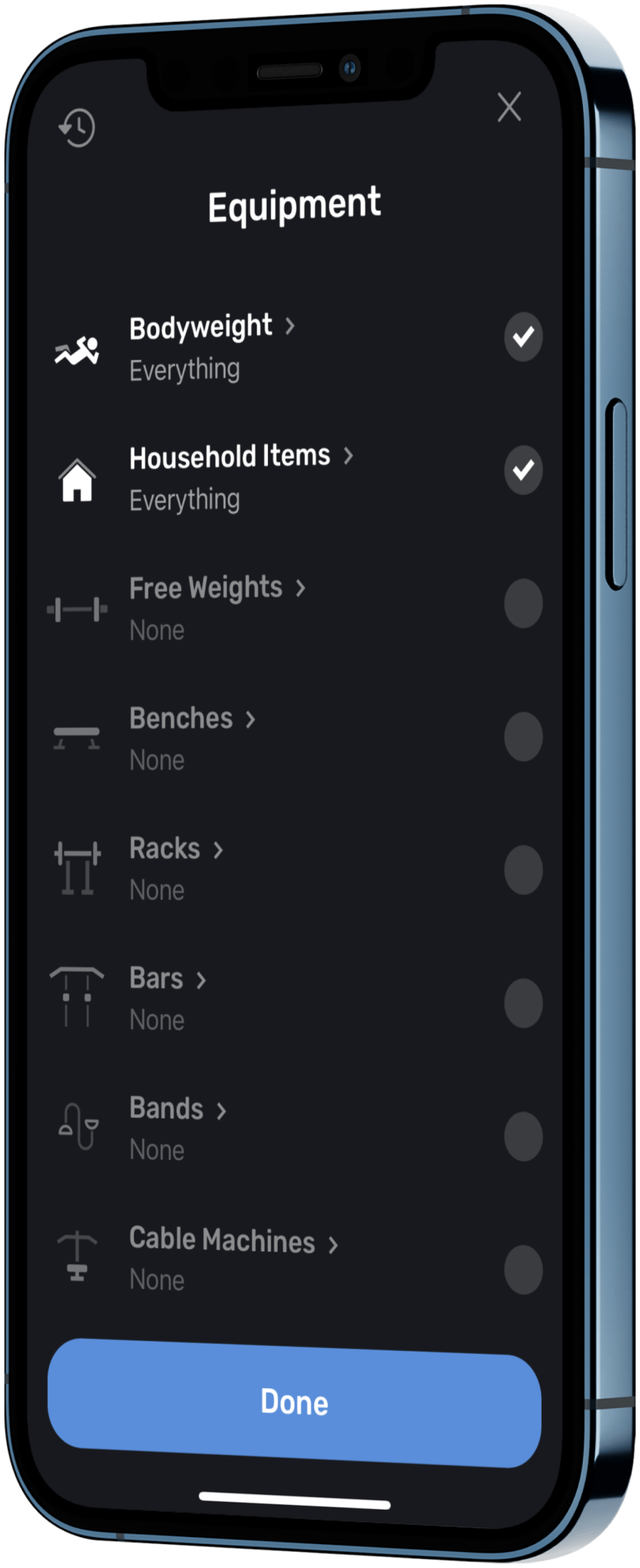
If someone's busy and only has 35 to 45 minutes to train, the key is efficiency. FitnessAI builds workouts around available equipment and tracks recovery trends. That means they're applying the extra performance boost from creatine to a plan that already adapts to them.
No more wandering the gym trying to figure out what to do next.
Creatine for Brain Health and Cognitive Function
This is where things get interesting.
When people search "creatine brain benefits" or "creatine for cognitive performance," they're tapping into a growing area of research.
Remember that creatine is also stored in the brain.
Emerging research suggests creatine supplementation may:
- Improve short-term memory in some populations
- Reduce mental fatigue
- Support cognitive performance during sleep deprivation
- Potentially help in certain neurological conditions
.png)
The effects aren't as dramatic as in muscle, but they're promising.
If someone's a busy professional juggling work, workouts, and family, mental energy matters. Training hard isn't just about muscles. It's about stress resilience.
Consistent strength training already supports brain health. Adding creatine may provide an additional edge, especially during high-stress periods.
But again, consistency beats everything. A supplement can't compensate for skipped workouts.
An AI-driven plan that removes decision fatigue makes consistency easier. When someone's workout is already optimized and waiting in their pocket, they're far more likely to show up.
Creatine and Longevity: Is There a Connection?
"Creatine for longevity" is becoming a more common search term.
Here's what researchers know.
Strength training itself is strongly associated with reduced mortality risk, better metabolic health, and improved quality of life as people age.
Creatine may indirectly support longevity by:
- Preserving muscle mass
- Supporting strength as someone ages
- Potentially reducing age-related muscle loss
- Supporting cellular energy systems
.png)
Muscle isn't just about aesthetics. It's metabolic armor.
After age 30, muscle mass naturally declines. Resistance training slows that process. Creatine may enhance the stimulus that helps someone maintain lean mass long term.
If longevity is the goal, the real strategy is simple:
- Train consistently
- Apply progressive overload
- Recover well
- Track performance over years, not weeks
This is where visual progress tracking becomes powerful. Seeing strength trend upward over months builds momentum. FitnessAI logs every set and adapts based on performance, helping people avoid plateaus that often cause them to quit.
Creatine helps someone perform. Structured training helps them sustain that performance for decades.
Is Creatine Safe?
"Is creatine safe long term?" is one of the most common questions.
For healthy individuals, creatine monohydrate is widely considered safe when taken at recommended doses.
Common points:
- Standard dose is 3 to 5 grams per day
- Loading phases are optional
- Stay hydrated
- Those with kidney issues should consult a doctor
Most research shows no harmful effects on kidney function in healthy people.
Minor side effects can include temporary water weight gain or mild stomach discomfort if taken in large doses.
As always, people should talk to their healthcare provider if they have preexisting conditions.
Who Should Take Creatine?
Creatine may be a good fit if someone:
- Lifts weights regularly
- Wants to increase strength and muscle mass
- Feels stuck at a plateau
- Is training for performance
- Cares about long-term muscle preservation
It may not be necessary if they:
- Don't train consistently
- Primarily do low-intensity cardio
- Aren't interested in improving strength
Supplements amplify habits. They don't create them.
If someone's training is inconsistent because they're overwhelmed, bored, or unsure what to do next, the first upgrade is their plan.
Many people plateau not because they need a new supplement, but because they're repeating the same weights week after week. AI-powered adjustments remove that blind spot.
.png)
How to Take Creatine for Best Results
If someone decides to take it, they should keep it simple.
- 3 to 5 grams of creatine monohydrate daily
- Timing isn't critical
- Consistency matters more than timing
- Pair it with resistance training
There's no magic pre-workout window required. The key is saturating muscle stores over time.
Then use that improved capacity to push training forward.
If an app tells someone to increase weight based on past performance, they should trust the data. Creatine may help them hit that next rep. Over months, that compounds into measurable progress.
The Bigger Picture: Supplements Support Systems
Here's the honest truth.
Creatine works.
But the people who see the biggest transformation aren't the ones obsessing over supplements. They're the ones who:
- Follow a structured strength training plan
- Progress intelligently
- Recover appropriately
- Track their lifts
- Stay consistent for years
Creatine supports ATP production. That helps someone train harder.
An adaptive training system ensures that harder training turns into long-term results.
When workouts adjust to available equipment, recovery trends, and real performance data, people stop guessing. They stop stalling. They stop wasting time.
For busy adults who want results without overthinking, that combination is powerful.
Final Verdict: Should You Take Creatine?
If someone's strength training consistently and wants:
- More strength
- More muscle
- Better high-intensity performance
- Potential cognitive benefits
- Long-term muscle preservation
Then yes, creatine is one of the most evidence-based supplements they can take.
But here's the thing to remember.
Creatine is a multiplier.
If someone's training is random, it multiplies randomness.
If their training is intelligent and progressive, it multiplies results.
Start with a smart plan. Layer creatine on top. Track progress. Adjust based on data. Repeat for years.
If someone wants a training system that adapts automatically, removes guesswork, and makes progressive overload feel simple, FitnessAI is built for exactly that. It works with their schedule, their equipment, and their real performance so the effort they put in actually compounds.
The supplement is optional.
The system is not.
Download FitnessAI today!
Alyssa Gonzalez
