


Are You Training Too Hard or Not Hard Enough?
Most people who train consistently share a quiet, nagging doubt: am I doing too much, or not nearly enough? They show up, they put in the work, they sweat through their sessions, and yet the question lingers.
It surfaces in different ways. Some wonder why they're sore all the time. Others can't figure out why their muscles stopped growing, or why a plateau showed up out of nowhere and refuses to leave. For people between 25 and 40 who are juggling careers, families, and a limited number of hours in the day, this question carries real weight. Months of misdirected effort aren't something they can afford to waste.
Understanding where someone actually stands, and what the science says about progressive overload and recovery, can change everything.

What "Training Too Hard" Actually Means
Feeling tired after a hard session isn't the problem. The real issue arises when someone consistently applies more stress to their body than it has time to recover from.
Strength training progress follows a straightforward pattern: a lifter challenges their muscles, allows the body to recover, and then repeats that process with slightly more demand. When recovery can't keep pace with the stress being applied, progress doesn't just slow, it stops.
The signs that someone has crossed this line tend to be subtle at first. Persistent joint pain, a kind of fatigue that doesn't go away even after rest days, strength that seems to be slipping rather than growing, disrupted sleep, and a creeping lack of motivation to train. These are all signals that the body is struggling to keep up. And ironically, most people in this situation assume the answer is to push even harder.
That's where smarter load management comes in. Tools like FitnessAI are built around this problem, analyzing a lifter's past performance and adjusting future workouts based on what their body has actually handled, not what they feel like they should be lifting.
What "Not Training Hard Enough" Looks Like
On the other end of the spectrum, a surprising number of dedicated gym-goers are under-training without realizing it. They're putting in the time, but something is missing from the equation.
They stop their sets well short of where the real work happens. They repeat the same weights for months on end. They skip the habit of tracking their lifts and, without any structured plan for progression, find themselves doing essentially the same workout they were doing half a year ago.
The result is predictable: no real muscle growth, no meaningful strength gains, and a frustration that feels disproportionate given the hours they've invested.
One of the most common questions people search for online is some version of "why am I not gaining muscle even though I work out?" The answer, in most cases, is simple, there's no structured progression built into what they're doing. They're maintaining rather than growing.
FitnessAI addresses this directly by calculating the next optimal weight and rep targets for each user, drawing on millions of data points alongside their individual history. The guesswork is removed entirely.
The Sweet Spot: Productive Training
The goal of a well-designed training program isn't to produce maximum exhaustion, it's to produce maximum adaptation. Those are very different targets.
Productive training sits at the intersection of moderate-to-high effort, controlled volume, adequate recovery, and planned progression. That balance is genuinely difficult to find and maintain on one's own, especially when training locations change, equipment varies, sleep quality fluctuates, and the stress of daily life affects how the body responds on any given day.
A five-hour night of sleep after a demanding week at work means the body simply isn't the same as it was seven days prior. Most static workout programs don't account for this. FitnessAI does, adjusting training loads based on performance trends so that when a lifter struggles with a weight they usually handle easily, the system responds accordingly. When they're breezing through their targets, the challenge increases.
.png)
Progressive Overload Without the Burnout
Progressive overload is one of the most searched terms in strength training, and for good reason, it works. But it's widely misunderstood.
Progressive overload doesn't mean maxing out every week, adding weight at any cost, or training to failure on every set. It means gradually increasing demand in a way the body can actually absorb and adapt to.
In practice, this might look like this: a lifter benches 185 pounds for sets of 8, 8, and 7 reps one week. Rather than jumping emotionally to 195, FitnessAI might suggest 187.5 pounds for 8, 8, and 8, or it might recommend cleaning up rep quality at the same weight before moving forward. The progression is calculated, not reactive.
Over months, those small, compounding adjustments translate into significant gains in both strength and muscle. For busy adults who don't want to overthink their programming, this kind of structure removes decision fatigue entirely.
Why Plateaus Happen and How to Break Through Them
Plateaus are one of the most common frustrations in lifting, and they're widely misunderstood too. They happen when the stimulus is no longer novel, when volume is mismatched to recovery, or when programming simply lacks any meaningful progression built in.
The common instinct, switching programs every few weeks, rarely fixes the underlying problem. What works better is adaptive programming that treats each lift individually, recognizing that a lifter's squat and their row don't necessarily progress at the same rate, or respond to the same adjustments.
FitnessAI adjusts volume, load, and progression based on actual performance trends across individual lifts. That level of granularity is something a generic PDF program simply can't replicate.
The Intensity vs. Volume Question
Another question that comes up constantly is whether a lifter should be going heavier or doing more reps. The honest answer is that it depends, on their goal, their current recovery capacity, and what their performance data actually shows.
For muscle growth, both moderate rep ranges and heavier work can be effective. What matters most is proximity to failure, total weekly volume, and consistent progressive overload. Too much volume leads to burnout. Too little intensity leads to stagnation. The productive zone sits between those two extremes, and staying in it requires paying attention to real performance data over time.
.png)
The Role of Feedback and Visible Progress
One factor that doesn't get enough attention is the psychological impact of seeing clear progress. Without it, lifters tend to drift in one of two directions, they push too hard out of frustration, or they stop pushing because they assume nothing is working.
Watching strength trends improve over time, seeing rep numbers climb, and tracking load increases across sessions provides the kind of objective feedback that takes emotion out of in-gym decision-making. When a lifter can see that they're progressing, they train with more confidence and more patience.
A Simple Framework for Self-Assessment
Someone might be training too hard if their strength has been declining, they feel chronically drained, nagging pain is building rather than resolving, and their sleep and motivation are suffering.
Someone might not be training hard enough if their numbers haven't moved in months, their sets rarely feel genuinely challenging, there's no clear plan for progression, and they're not tracking performance in any consistent way.
The reality is that most people aren't dramatically overtraining. They're simply mismanaging their progression, either pushing without structure or holding back without realizing it.
A Practical Way Forward
The path to consistent progress isn't complicated, but it does require consistency in a few key areas: tracking lifts over time, building progressive overload into every training cycle, paying attention to recovery signals, and adjusting based on what the data actually shows.
Doing all of that manually takes both time and a decent level of programming knowledge. An AI-powered strength training app like FitnessAI simplifies the process considerably, analyzing workouts, adjusting loads intelligently, accounting for individual performance trends, and keeping progression steady without pushing a lifter into burnout territory. It functions less like a rigid program and more like a coach who reviews the data after every session and updates the plan accordingly.
For anyone tired of guessing whether they should push harder or back off, that kind of adaptive structure tends to make all the difference.
The goal, ultimately, is to train hard enough to grow and smart enough to recover. Real progress lives in that balance.
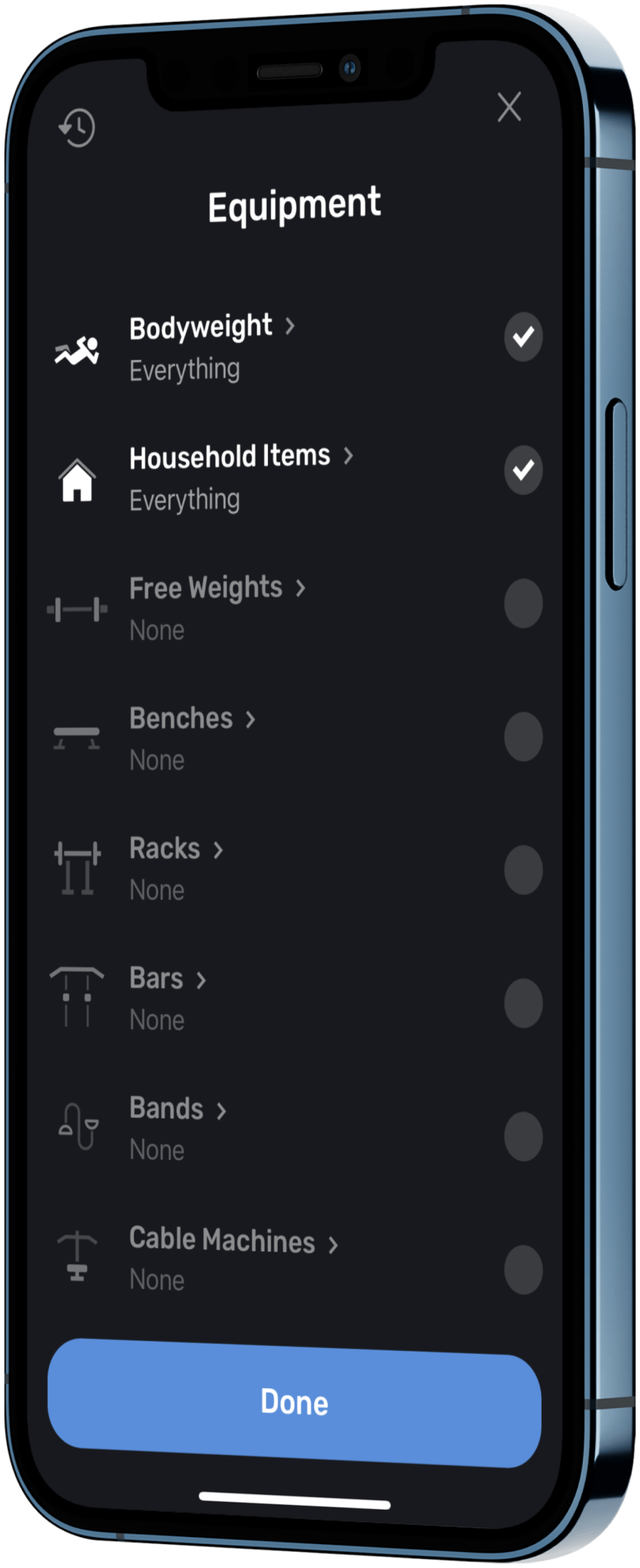
Download FitnessAI here!!
Alyssa Gonzalez
