


Body Confidence & Strength: How Resistance Training Shapes Self-Perception
Many people have stood in front of a mirror feeling disconnected from their own reflection. Body confidence isn't just about how someone looks. It's about how they feel in their body. Strong, capable, and in control.
Resistance training is one of the most reliable ways to build that feeling. Not because it changes the body overnight, but because it changes how a person relates to it.
This guide breaks down how strength training improves body confidence, why so many people get stuck, and how smarter, AI-driven training can make the process easier and more consistent.
Why Strength Training Improves Body Confidence
When people search things like "how to feel more confident in my body" or "does lifting weights improve self-esteem?", they're usually expecting a mindset answer.
But confidence is often built through action.

1. The Shift From Appearance to Performance
Instead of asking "Do I look good?", people who strength train start asking:
- Can I lift more than last week?
- Did I complete all my sets?
- Am I getting stronger?
That shift is powerful. Performance is measurable. It gives proof of progress, even on days when the mirror doesn't.

2. Building Trust With the Body
Every completed workout quietly reinforces three things:
- Consistency: showing up even when motivation is low
- Capability: doing more than seemed possible before
- Control: making choices that compound over time
Over time, a person stops seeing their body as something to fix and starts seeing it as something that works with them.
.png)
3. Real, Trackable Progress
Strength training provides clear, objective feedback:
- More reps completed
- Heavier weights lifted
- Better endurance across sessions
That kind of progress builds confidence faster than vague goals like "toning" or "getting in shape."
The Problem: Why Most People Lose Momentum
Even with all these benefits, many people still find themselves searching:
- "Why am I not getting stronger?"
- "Why do I feel stuck in the gym?"
- "Best workout plan for busy professionals"
The issue usually isn't effort. It's friction.
Common Barriers to Progress
- Decision fatigue in the gym
- Not knowing how or when to increase weights
- Hitting a plateau after a few months
- Inconsistent schedules due to work or travel
- Lack of visible progress in the early stages
This is where most people fall off. Not because they lack discipline, but because their plan doesn't adapt to real life.
Where Smarter Training Changes Everything
Confidence grows when progress feels clear and achievable. That requires structure, not rigid plans, but adaptive ones.
This is where tools like FitnessAI quietly solve problems most people don't realize are fixable.
Progressive Overload Without Overthinking It
One of the most searched topics in fitness is: "What is progressive overload and how do I use it?"
It's simple in theory, gradually increase the challenge over time. But in practice, it gets complicated:
- How much weight should be added each session?
- What happens after a bad or incomplete session?
- How should fatigue or time constraints be factored in?
Instead of guessing, FitnessAI uses past workouts to automatically adjust the next session. It suggests weights and reps based on what has actually been done, not what a generic program says.
That removes the mental load. Show up, follow the plan, and progress happens in the background.
Breaking Plateaus With Adaptive Workouts
Hitting a plateau is one of the fastest ways to lose confidence. Progress stalls, motivation drops, and it's easy to assume something is wrong.
Most programs don't adjust, and that's exactly why plateaus happen. FitnessAI continuously adapts based on:
- Performance trends over recent sessions
- Completed or missed sets from each workout
- Strength improvements tracked over time
If progress is happening, it pushes harder. If fatigue is building, it pulls back. That balance keeps momentum going without burning anyone out.

Training That Fits Real Life
Life doesn't follow a perfect schedule. Work, travel, and stress all affect training, and a plan that ignores that is a plan that eventually gets abandoned.
Instead of forcing a rigid training split, FitnessAI builds workouts based on:
- Available equipment: gym, home setup, or minimal gear
- Time constraints: 30 minutes works just as well as 60
- Training history: so nothing is repeated too soon or skipped too long
Consistency becomes easier because the plan fits real life, not the other way around.
Recovery: The Part Most People Underestimate
A lot of people believe confidence comes from pushing harder. But overtraining often does the opposite:
- Fatigue builds faster than fitness
- Performance drops in sessions
- Motivation quietly disappears
FitnessAI factors in recent workouts and performance to avoid overloading the same muscle groups too aggressively. The result:
- Better recovery between sessions
- More sustainable progress over months
- Fewer setbacks from fatigue or minor injury
When the body feels better, confidence follows naturally.
Seeing Progress Changes How Someone Sees Themselves
One of the most underrated parts of building body confidence is simply being able to see that something is working.
FitnessAI tracks every workout and surfaces:
- Strength increases over time
- Total completed sessions
- Performance trends across weeks and months
This gives objective proof on the days when everything feels stagnant. It's possible to look back and see more weight lifted than last month, consistent attendance, and real improvement, even when it doesn't feel that way in the moment.
That kind of data reinforces confidence in a way that guesswork never can.
.png)
How Strength Changes Self-Perception Over Time
For those who stay consistent, something subtle starts to happen. The chase for confidence stops. It gets built instead.
The internal narrative begins to shift:
- "I can handle hard things"
- "I follow through on what I start"
- "I'm getting stronger every week"
Those beliefs don't stay in the gym. They carry into work, relationships, and everyday life. That's the real value of resistance training, it's not just physical.
Practical Tips to Build Body Confidence Through Strength Training
Keeping it simple is the most effective approach.
Habits worth building:
- Train 3 to 4 times per week
- Track every workout, even briefly
- Aim to improve something in each session
- Prioritize good form over heavier weight
- Be patient, visible changes take longer than performance changes
Ways to reduce friction:
- Use a plan that adapts to schedule and energy levels
- Avoid overcomplicated programs that require constant decision-making
- Let a tool like FitnessAI handle the progressions automatically
The goal isn't perfection. It's showing up consistently enough that progress becomes inevitable.
Final Thoughts
Body confidence doesn't come from perfection. It comes from proof.
- Proof that showing up is possible, even on hard days
- Proof that the body improves with consistent effort
- Proof that it's capable of more than expected
Resistance training provides that proof. And when workouts are structured in a way that adapts to life, tracks progress, and removes the guesswork, staying consistent becomes genuinely achievable.
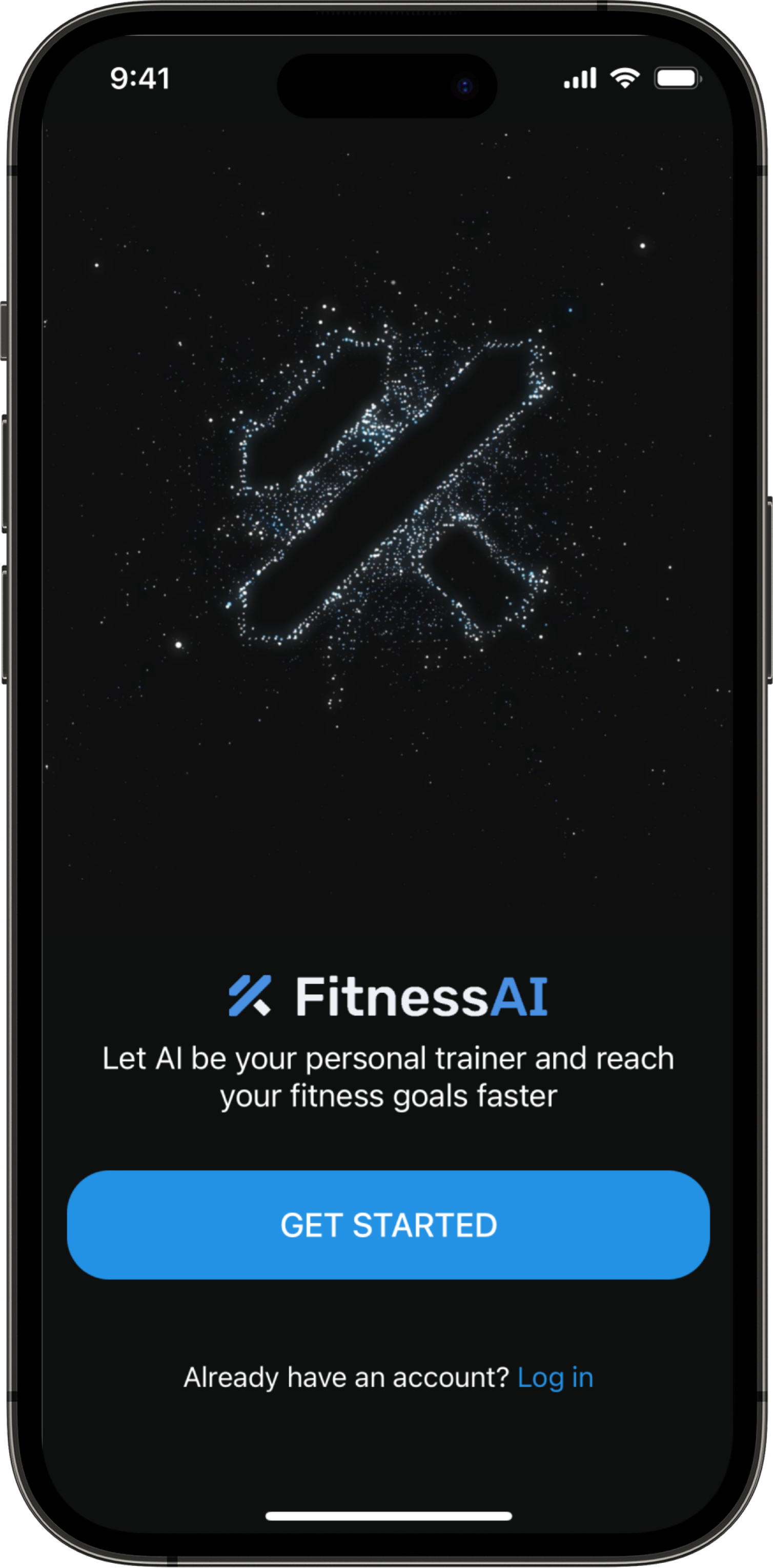
For anyone trying to build strength without overthinking every workout, something like FitnessAI can make that process smoother and more sustainable, not by doing the work for them, but by helping them do the right work, at the right time.
Get FitnessAI here!
Alyssa Gonzalez
