


How to Get Back in Shape After Years Away From the Gym
Getting back in shape after years away from the gym starts with one simple goal: stop trying to train like your old self. The fastest path to rebuilding strength, losing fat, and regaining confidence isn't a perfect program or an aggressive timeline, it's starting where you are today and staying consistent long enough for progress to compound.
Most people who've stepped away from the gym didn't quit because they stopped caring. Life got busy. Careers took over. Families grew. Schedules that once had room for five workouts a week suddenly couldn't fit one. According to FitnessAI user survey data, time, work obligations, energy levels, and family responsibilities rank among the biggest barriers keeping people from staying consistent with fitness.
The good news: the body remembers more than most people expect.
Here's how to get back in shape without burning out, getting injured, or spending every session second-guessing what to do next.
Why Getting Back Into Shape Feels So Hard
Most people assume the hardest part is rebuilding the fitness itself.
It usually isn't.
The hardest part is the mental friction, the flood of questions that hits before someone even laces up their shoes:
- How much weight should I lift?
- Should I do cardio or strength training?
- How often should I work out?
- What if I'm weaker than I used to be?
- Am I too out of shape to even start?
That decision fatigue is exactly why so many people stall before they ever build momentum. In FitnessAI's 2026 survey, the most common reason people downloaded the app was straightforward: they were tired of guessing and just wanted to know what to lift.
The goal isn't to build the perfect plan. The goal is to remove enough friction that showing up actually happens.
.png)
Step 1: Lower the Bar for Success
One of the most common mistakes returning gym-goers make is trying to pick up exactly where they left off.
If five days a week used to be the routine, starting there again is a fast track to burnout or injury.
A more realistic starting point:
- 2–3 workouts per week
- 20–45 minutes per session
- A focus on consistency, not performance
The habit comes before the physique. A short workout done consistently beats an ambitious program abandoned after two weeks, every time.
This is part of the reason FitnessAI allows workouts ranging from 5 to 30 minutes. The goal is to keep momentum moving, even when life gets in the way. The plan adapts to the time available instead of demanding the schedule bend to fit the workout.
.png)
Step 2: Prioritize Strength Training First
It's tempting to default to long cardio sessions when the goal is losing weight quickly. But strength training should be the foundation of any return-to-fitness plan.
Strength training helps:
- Build and restore muscle
- Increase metabolism
- Improve body composition
- Rebuild functional strength
- Reduce injury risk
- Support better long-term health outcomes
For anyone trying to get back in shape after years away, lifting weights delivers far more long-term benefit than simply trying to burn calories through cardio.
That's not a knock on cardio, it has its place. But strength training should drive the plan.
Step 3: Accept That You'll Be Weaker at First
Nobody loves hearing this. But it's worth saying plainly.
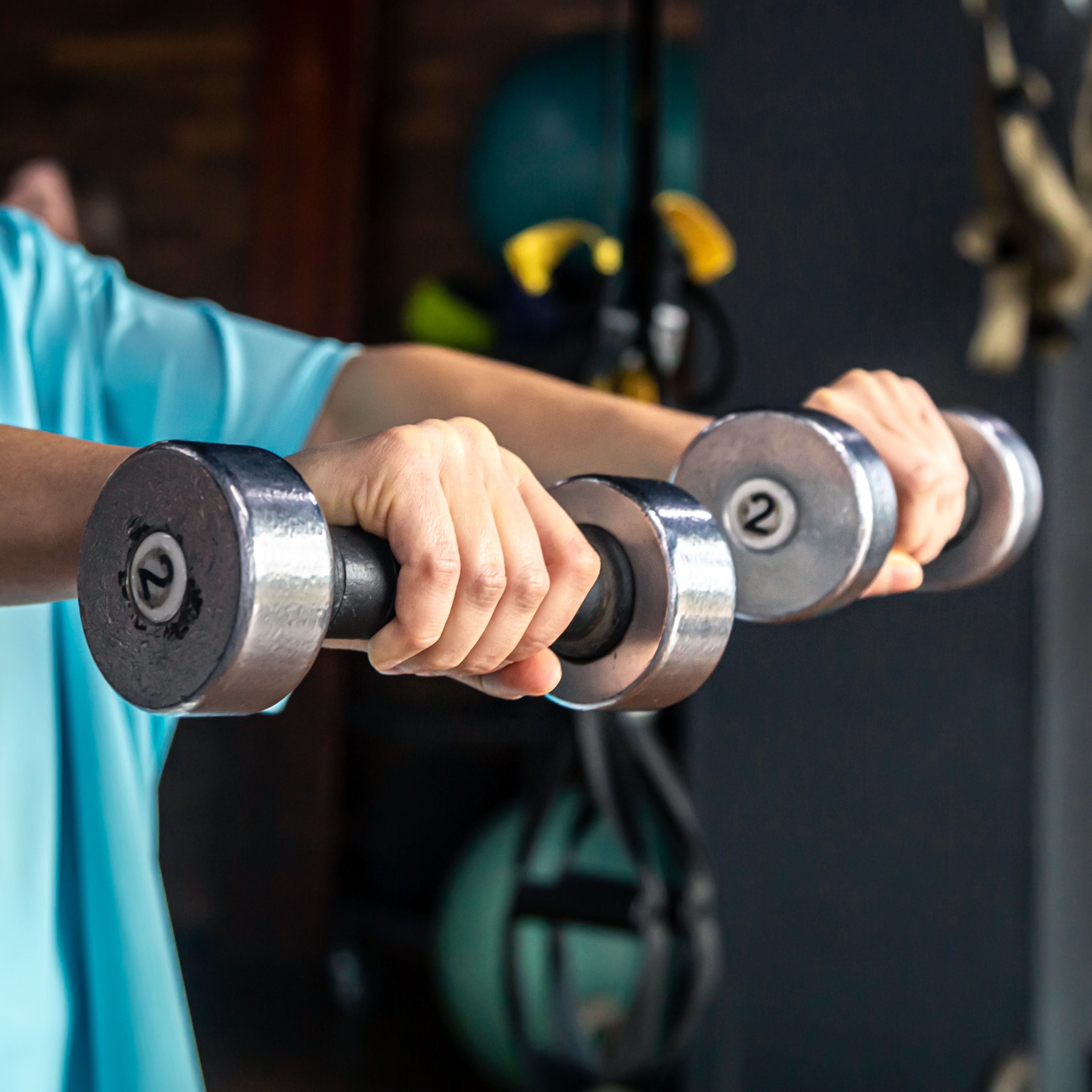
The weights that felt manageable a few years ago may not feel that way on day one. That's completely normal, and it's not a reason for discouragement. "Muscle memory" is real, people who trained before tend to regain lost strength and muscle significantly faster than complete beginners.
The shift in mindset that makes the biggest difference:
- Track today's numbers, not old ones
- Celebrate small, consistent improvements
- Focus on weekly progress instead of personal records
Five pounds added to a lift over the course of a month matters far more than chasing former bests during the first week back.
Step 4: Follow a Progressive Overload Plan
Random workouts produce random results. It's one of the most common reasons people plateau, or give up entirely.
Monday becomes chest day. Wednesday becomes whatever machine isn't taken. Friday turns into cardio because the squat racks are full.
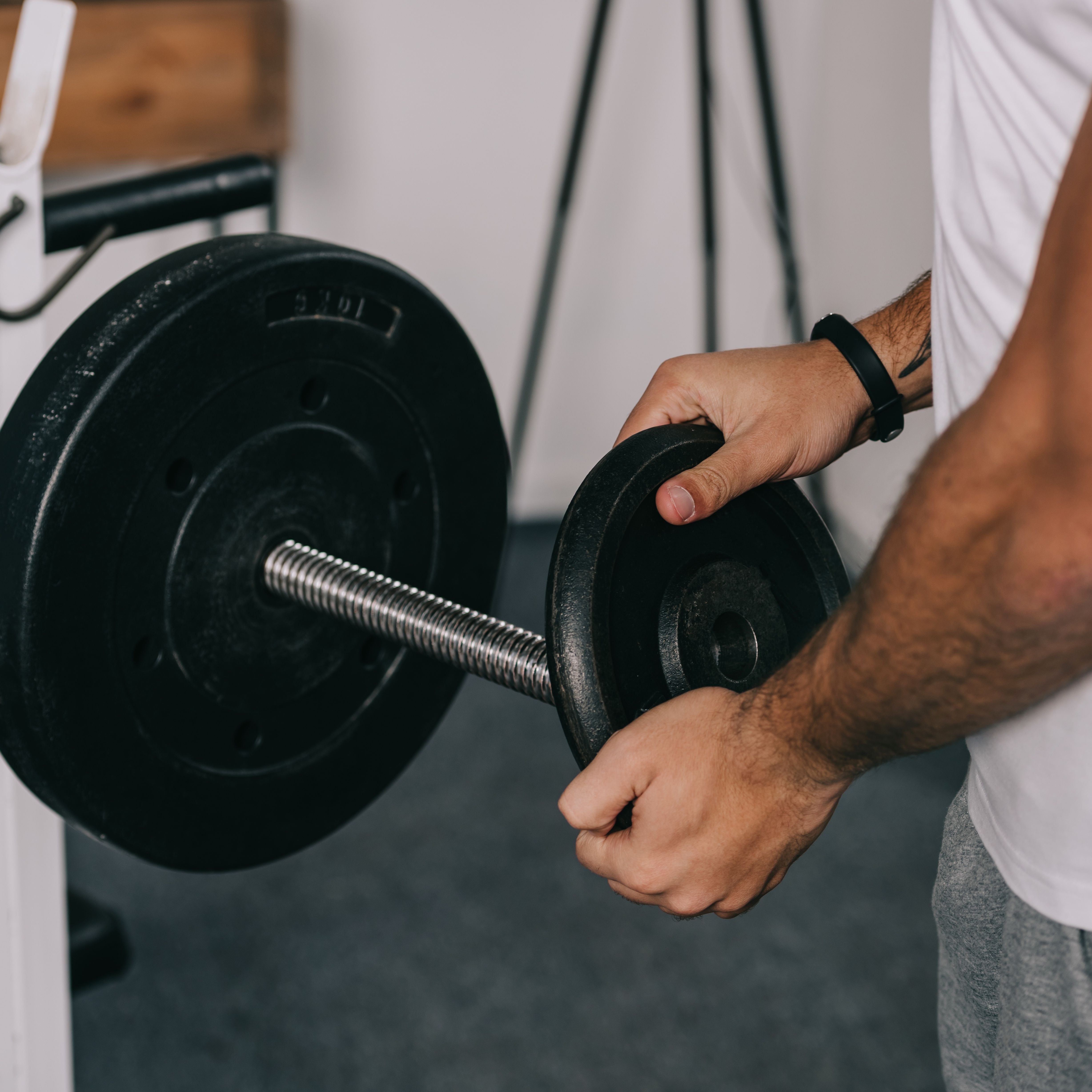
Progressive overload, the process of gradually increasing training demands over time, is what actually drives consistent improvement. That can look like:
- More weight
- More reps
- More sets
- Cleaner execution
- Better consistency over time
FitnessAI was built around this principle. The app automatically adjusts weights, reps, and sets based on previous performance, so users keep progressing without having to calculate anything manually. Instead of wondering whether the workout was hard enough, the focus can stay on simply completing it.
.jpg)
Step 5: Don't Let Equipment Be an Excuse
"I don't have access to the right gym" is one of the most common reasons people delay getting started, and one of the easiest to let go of.
Consistency matters far more than equipment. Meaningful progress is possible with:
- A full commercial gym
- A basic home setup
- Adjustable dumbbells
- Resistance bands
- A minimal hotel gym
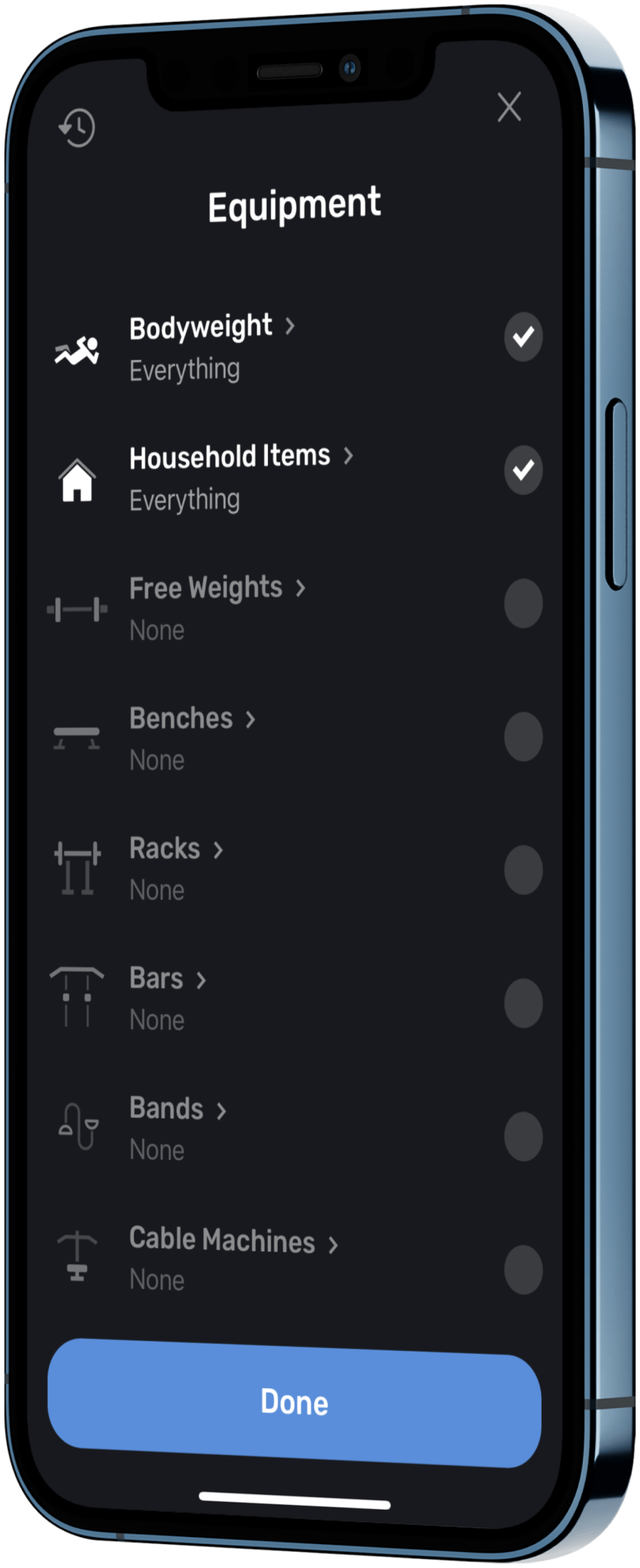
FitnessAI automatically adjusts workouts based on available equipment and provides substitutions when needed, so users stay on track even when their environment changes. Because the best workout is always the one that actually gets done.

Step 6: Expect Recovery to Feel Different
For anyone returning to training in their 30s or 40s, recovery probably won't feel the way it did at 22. That's not a problem, it just means the approach needs to evolve.
A few things worth prioritizing:
- Adequate sleep
- Protein intake
- Hydration
- Light movement and walking on rest days
- Actual rest days
More isn't always better. A lot of returning lifters actually make faster progress when they train slightly less than they think they should.
FitnessAI incorporates recovery-aware adjustments to help users avoid the trap of constantly pushing harder when the body is signaling it needs rest. Structure almost always beats intensity.

Step 7: Track Progress Beyond the Scale
The scale is one data point, and often a misleading one, especially when muscle is being rebuilt at the same time body fat is dropping.
Other metrics worth paying attention to:
- Strength gains week over week
- Energy levels throughout the day
- Workout consistency
- Progress photos
- Body measurements
- How clothes fit
Plenty of people feel like nothing is changing right up until everything does. FitnessAI's BodyScan feature helps users track visual changes over time, offering a way to measure progress that doesn't hinge entirely on a number on a scale.
Visible progress builds confidence. Confidence builds consistency. Consistency builds results.
The Most Common Mistake People Make When Returning to the Gym
They overcomplicate everything.
The perfect split. The perfect supplement stack. The perfect program. The perfect time of day to train.
Most people don't need more information. They need less guessing.
FitnessAI's survey found that users consistently value the app most because it removes the need to think about programming, progression, and exercise selection. Being able to show up and follow a clear plan, without having to build it from scratch, is one of the strongest reasons users stay engaged long-term.
The simpler the system, the easier it is to stick with.
Frequently Asked Questions
How long does it take to get back in shape after years away from the gym?
Most people notice improvements in energy, strength, and workout performance within 4–6 weeks. Visible body composition changes often become apparent between 8–12 weeks with consistent training and attention to nutrition.
What's the best workout plan for getting back into shape?
The best plan is the one someone can actually follow consistently. For most adults returning to fitness, a structured strength training program done 2–4 times per week is highly effective.
Should I do cardio or weights first when getting back into shape?
For most people, strength training should take priority. Building muscle improves body composition, metabolism, and long-term fitness. Cardio can be layered in alongside strength work once the habit is established.
How many days per week should I work out after a long break?
Starting with 2–3 days per week is a smart approach. Building consistency should come before increasing frequency.
Is an AI workout app good for someone returning to the gym?
Yes. A well-designed AI workout app can cut through decision fatigue, create structured progression, adapt to available equipment, and help users avoid the most common programming mistakes.
Final Thoughts
Getting back in shape after years away isn't about proving anything.
It's about rebuilding momentum, slowly, consistently, without burning out before the habit has a chance to stick.
Start smaller than feels necessary. Focus on showing up over performing perfectly. Trust the process long enough for progress to compound.
Most importantly, remove as much guesswork as possible. The easier it is to know what to do next, the more likely someone is to keep coming back.
FitnessAI was built for exactly that. Open the app. See what to lift. Follow the plan. Let the data handle the programming while the focus stays where it belongs, on building strength, one workout at a time.
Download FitnessAI TODAY!
Alyssa Gonzalez
