


Do You Actually Need a Belt, Straps, or Knee Sleeves? A Real Guide to Lifting Gear
Walk into any gym and you'll see it: the guy with a belt cinched for bicep curls, the woman with chalk on her hands for a set of lat pulldowns, someone taping their wrists before a set of shoulder presses that weighs less than their gym bag. Lifting gear has a way of showing up long before it's actually needed.
That doesn't mean this equipment is useless. Far from it. A lifting belt, knee sleeves, wrist straps, and chalk all serve real, specific purposes. The problem is that most lifters buy them for the wrong reasons, at the wrong time, or without understanding what the gear is actually doing for their body.
This guide breaks down what each piece of equipment really does, when it earns a spot in your gym bag, and when your money and effort are better spent elsewhere.
Why This Matters More Than People Think
Gear doesn't build strength. Your training does. But the right equipment, used at the right time, can help you train harder, safer, and more consistently, which is where the actual results come from.
The wrong approach is thinking about equipment as a shortcut. The right approach is thinking about it as a tool you reach for once your training demands it. That's the mindset this guide is built around.
If you're using FitnessAI, this decision gets simpler. The app already knows what equipment you have access to and factors that into your programming, so you're not guessing whether a piece of gear even applies to your current plan.
Lifting Belts: What They Actually Do
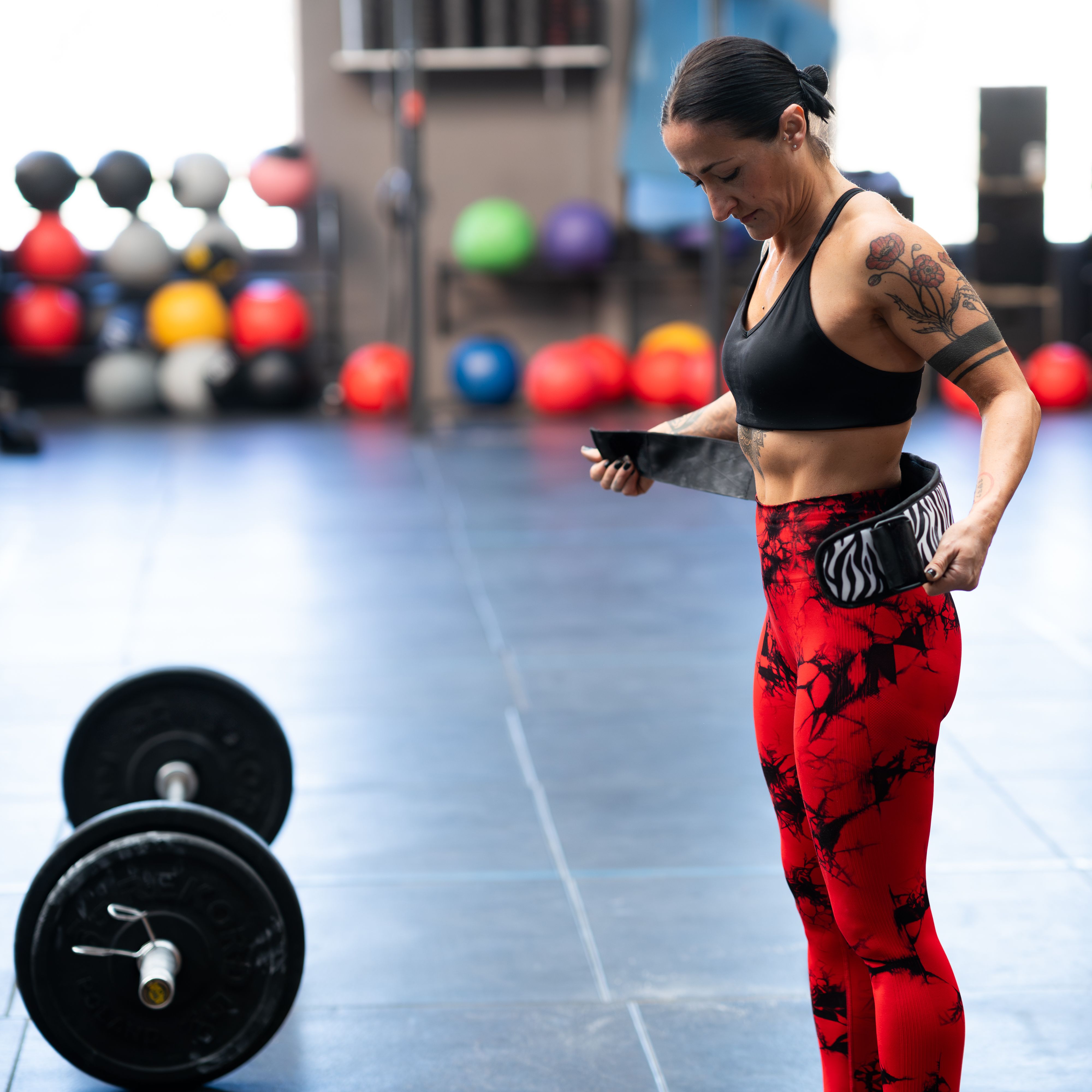
A lifting belt isn't there to protect your lower back the way people assume. It works by giving your core something to brace against, which increases intra-abdominal pressure and helps stabilize your spine under heavy load.
When a belt actually helps
- Squats, deadlifts, or overhead presses where you're lifting near your max
- Sets where you can genuinely feel your midline losing tightness under load
- Structured strength blocks where progressive overload is the goal
When it's not doing much
- Warm-up sets or lighter accessory work
- Isolation exercises like curls, lateral raises, or leg extensions
- Early stages of training before you've built real bracing technique
A common mistake is wearing a belt for every single set, which can actually stall your progress. Your core needs to learn to brace on its own before you lean on external support for it. Think of the belt as something that gets introduced once your lifts, and your bracing, are ready for it.
This is one of the areas where a lot of lifters get stuck without realizing it. If your squat or deadlift numbers have plateaued and you're not sure whether the issue is your bracing, your programming, or your recovery, FitnessAI's progressive overload tracking can help pinpoint it. It watches how your lifts are trending over time and adjusts your training load accordingly, so you're not guessing whether it's time to add a belt or time to fix something more fundamental first.
Knee Sleeves: Support, Not a Fix for Pain
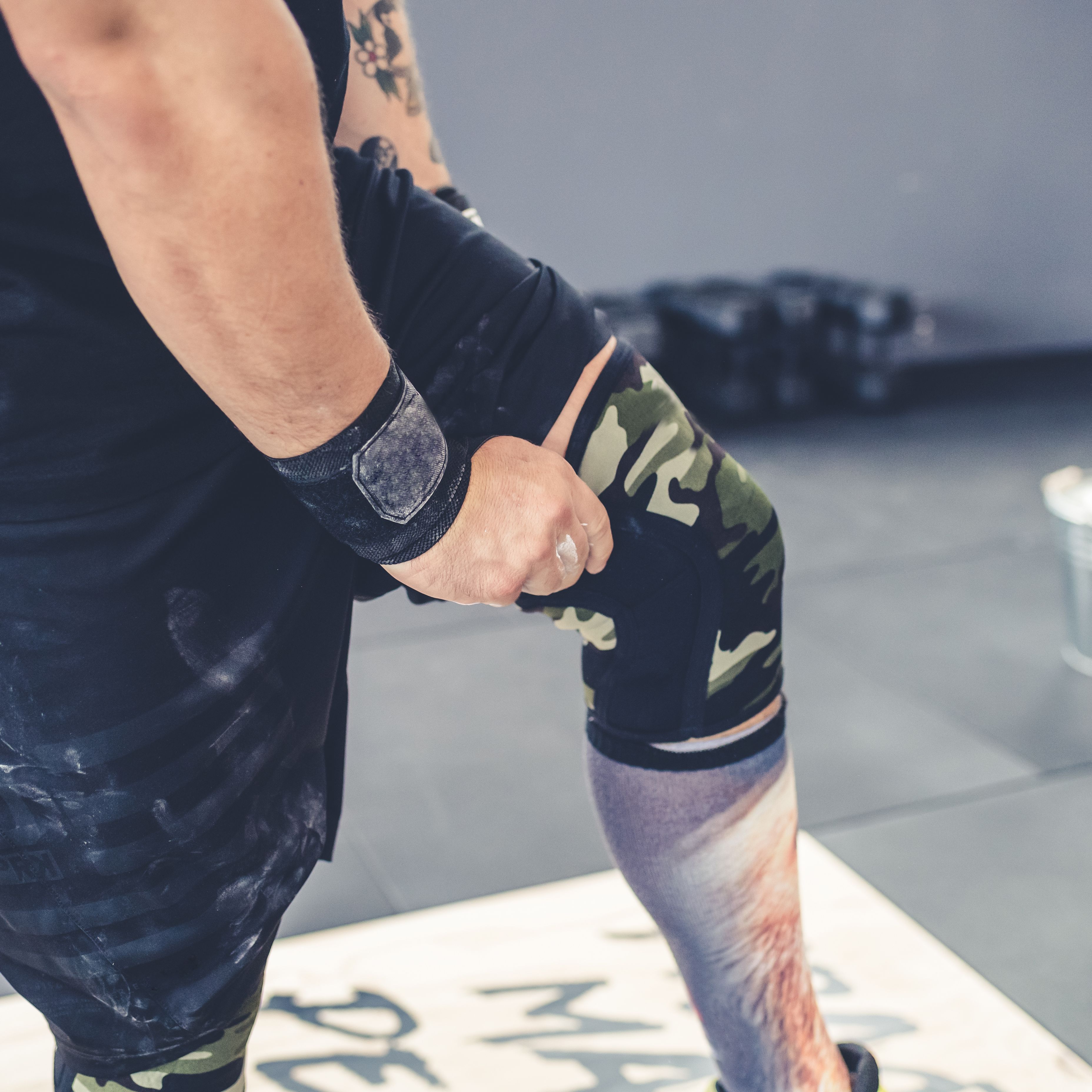
Knee sleeves are one of the most misunderstood pieces of gear out there. They provide compression and mild warmth around the joint, which can improve proprioception (your sense of where your knee is in space) and offer a small amount of support during heavy squats or lunges.
What sleeves are good for
- Adding joint stability during heavy squat sessions
- Keeping the knee warm during high-volume leg days
- A minor confidence boost when pushing near your limits
What sleeves are not good for
- Masking actual knee pain so you can keep training through it
- Replacing proper warm-up and mobility work
- Fixing poor squat mechanics or muscle imbalances
If your knees genuinely hurt during training, sleeves are a band-aid, not a solution. That kind of pain is usually a sign your program needs adjusting, whether that's volume, exercise selection, or recovery. This is exactly the kind of moment where recovery-aware training matters. FitnessAI factors in how your body is actually responding, not just what's written on the schedule, and adjusts your plan if it looks like something needs to change before a small issue becomes a bigger one.
Wrist Straps: Grip Support for Pulling Movements
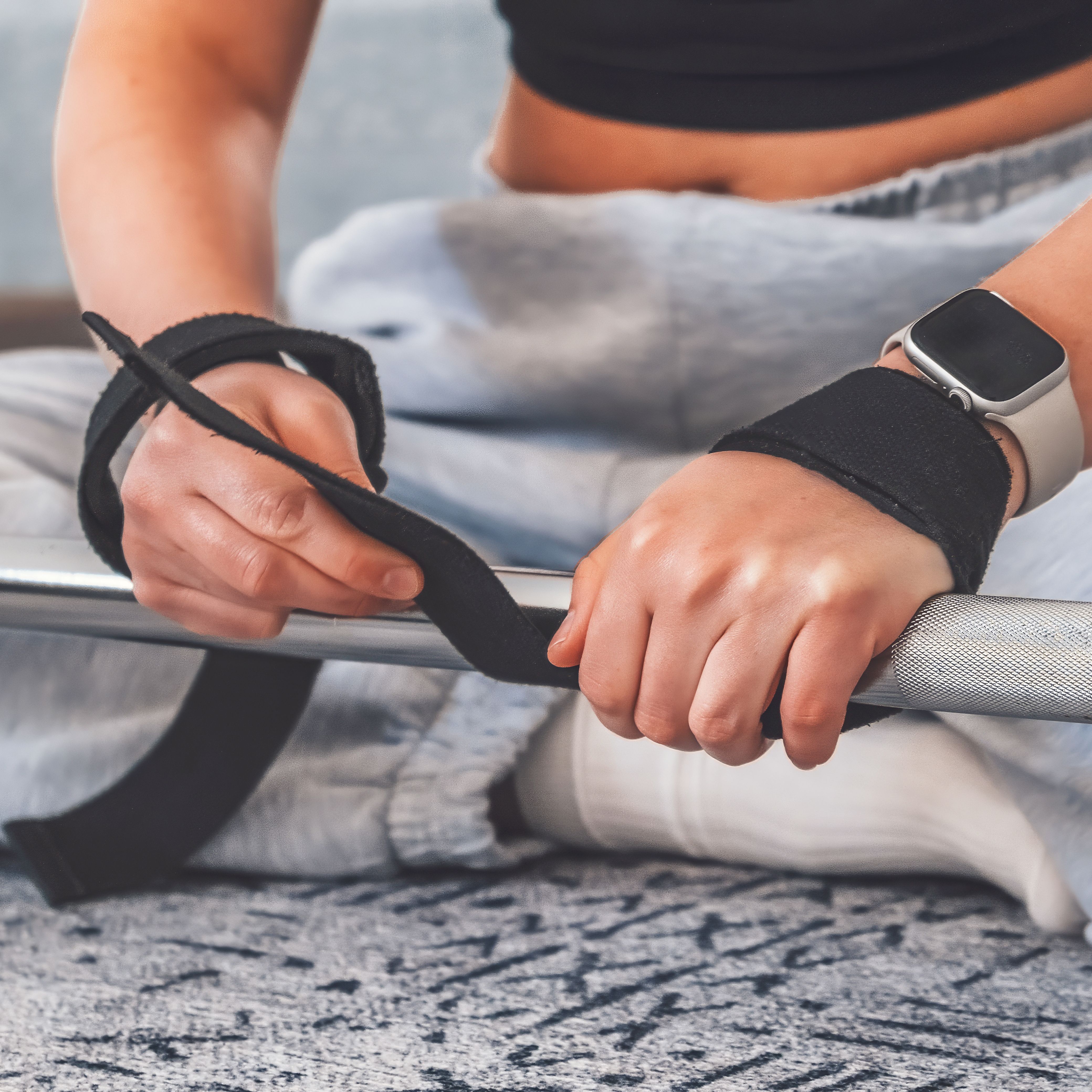
Wrist straps wrap around the bar and your wrist to help you hold onto heavy weight when your grip gives out before the target muscle does. They're common in deadlifts, rows, and pulldowns.
When straps make sense
- Heavy deadlifts or rows where grip is clearly the limiting factor
- Back-focused training days where you want the lats and back doing the work, not your forearms
- High-rep pulling work where grip fatigue sets in early
When to skip them
- Early in a training block when grip strength is still developing
- Any lift where forearm and grip strength is part of the point
- As a default habit rather than a deliberate choice
Grip strength has real carryover to everyday life and overall training capacity, so it's worth developing rather than bypassing every time. Straps are best used strategically, on your heaviest sets or highest-volume days, not as a default for every pulling exercise.
Wrist Wraps: Not the Same Thing as Straps
Wrist wraps get confused with straps constantly, but they do something completely different. Wraps stabilize the wrist joint itself and are used for pressing movements like bench press or overhead press, not pulling.
They're most useful for lifters pressing heavy weight who feel wrist strain or instability at the bottom of a press. Like a belt, they're a tool for specific heavy sets, not something to wear through an entire pressing session.
Chalk: Simple, Cheap, and Genuinely Useful
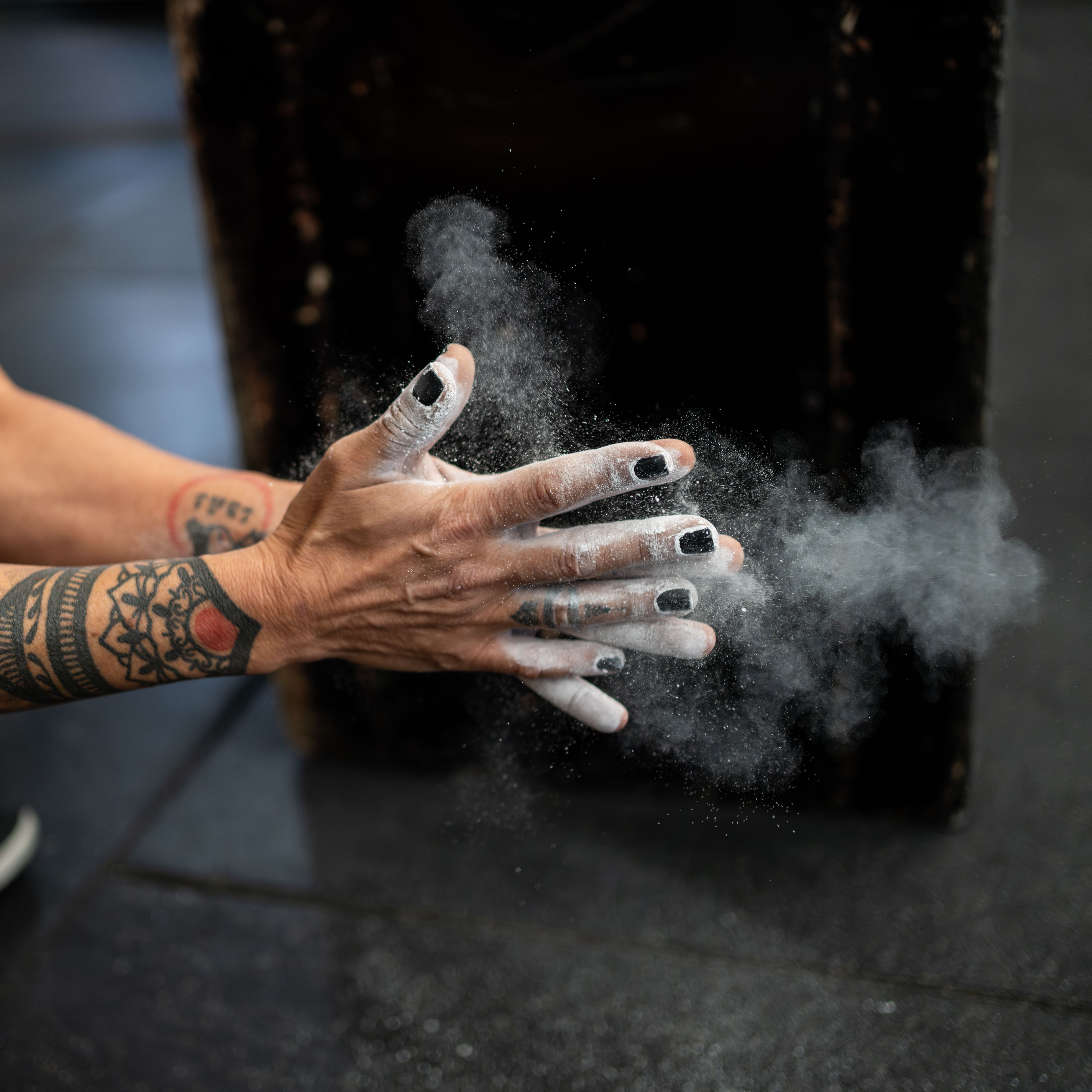
Chalk dries out sweat and moisture on your hands, which improves your grip on the bar. It's one of the least complicated pieces of gear on this list, and for many lifters, one of the most useful.
Good use cases
- Deadlifts, pull-ups, and rows, especially in humid gyms or if you naturally have sweaty palms
- Any lift where a slipping grip is cutting your set short before your target muscles are actually fatigued
Unlike a belt or straps, chalk has almost no downside and no learning curve. If your gym allows it, it's worth having in your bag.
Lifting Gloves: Often More Comfort Than Performance
Gloves are popular, especially with newer lifters, but they come with a real tradeoff. They can reduce callus buildup and add cushion, but they also reduce your direct contact with the bar, which can actually hurt your grip strength over time.
If comfort matters to you, that's a valid reason to use them. Just know that they're solving a comfort problem, not a performance one, and heavy grip-dependent lifts are usually better done without them.
So What Do You Actually Need?
Most lifters don't need a bag full of gear. They need the right piece, introduced at the right point in their training.
Here's a simple way to think about it:
- Beginner, first few months: Focus on form and consistency. Skip the gear almost entirely.
- Intermediate, building strength: Chalk for grip, a belt for your heaviest squat and deadlift sets.
- Advanced or training near your limits: Belt, sleeves, and straps used strategically, not constantly.
The equipment should follow your training, not the other way around. That's a big part of why generic, one-size-fits-all workout plans fall short. Your gear needs, your loads, and your recovery all change as you progress, and a plan that doesn't account for that leaves you guessing.
This is where equipment-based adjustments in FitnessAI actually change how your training feels day to day. Tell it what you have access to, whether that's a belt, sleeves, straps, or none of the above, and your workouts adjust automatically instead of leaving you to figure it out mid-session. No more standing at the rack wondering if today's the day to strap in.
The Bigger Picture: Gear Is a Tool, Not a Strategy
It's easy to get caught up in equipment because it feels like progress. Buying a belt feels like doing something for your training. But the actual driver of results is still the fundamentals: consistent progressive overload, smart recovery, and a program that adjusts as you do.
That's really the gap FitnessAI is built to close. Instead of you having to track your own progression, figure out when your recovery is off, or decide when a piece of equipment actually applies to your session, it handles that in the background. Your workouts adapt, your progress gets tracked visually so you can actually see the trend instead of guessing at it, and the decisions that used to cause hesitation at the gym get made before you even walk in.
Quick Answers to Common Questions
Do I need a lifting belt as a beginner? No. Focus on bracing and form first. A belt becomes useful once you're lifting near your max on squats and deadlifts.
Are knee sleeves bad if I don't have knee pain? Not at all. They can add stability and warmth for heavy squat sessions even without existing pain, but they shouldn't be used to push through actual pain.
What's the difference between wrist straps and wrist wraps? Straps help your grip on pulling movements like deadlifts and rows. Wraps stabilize your wrist joint for pressing movements like bench press.
Is chalk necessary in every gym? No, but it helps a lot if you sweat easily or your gym runs warm. It's inexpensive and has almost no downside.
The Takeaway
You don't need every piece of gear on the wall to train effectively. You need to understand what each tool actually does, use it when your training genuinely calls for it, and keep the real focus on consistent, progressive training.
If figuring out when you're actually ready for a belt, or whether your plateau is really about equipment at all, feels like one more thing to think about, that's exactly the kind of decision FitnessAI is designed to take off your plate. It adjusts to the equipment you have, watches how your body is responding, and keeps your training moving forward without you having to manage every variable yourself.
Download FitnessAI HERE!
Alyssa Gonzalez
