


The "Toned" Muscle Myth: What Getting Toned Actually Means
Let's clear something up right away. There's no such thing as a "toned" muscle.
Your muscles don't get longer, leaner, or somehow different because you swapped heavy dumbbells for tiny ones and did 30 reps. What people call "toned" is really just two things working together: having some muscle, and having that muscle visible.
That's body composition. Muscle mass plus the body fat sitting on top of it.
So if you want more definition, you don't need a secret toning workout. You need a solid strength plan, decent nutrition, enough recovery, and the patience to let it all work.
Not as catchy as "5 moves for toned arms by Friday." But it actually works.
What Does "Toned" Actually Mean?
"Toned" is a fitness term, not a physical state your muscles can switch into.
When people say they want toned arms, legs, or abs, they usually mean some mix of:
- More visible muscle definition
- A firmer, more athletic look
- More muscle in certain areas
- Less body fat covering that muscle
That changes how you should train. The goal isn't a special routine. It's giving your muscles a reason to adapt, then supporting that with food and rest.
The American College of Sports Medicine backs this up. Its current guidance shows that many different resistance training approaches build muscle and strength, with enough weekly training volume playing a big role in growth. The takeaway is refreshingly simple: consistency beats complexity.
Can You Tone Muscle Without Building Muscle?
Not really.
If you want an area to look more defined, you need muscle there to create that shape. The good news? If you're new to lifting, even a little added muscle can make a noticeable difference.
This is where the fear of "getting bulky" sends a lot of people the wrong way. They avoid challenging weights, stick to endless reps, and chase the burn.
The burn feels productive. It just isn't a long-term plan.
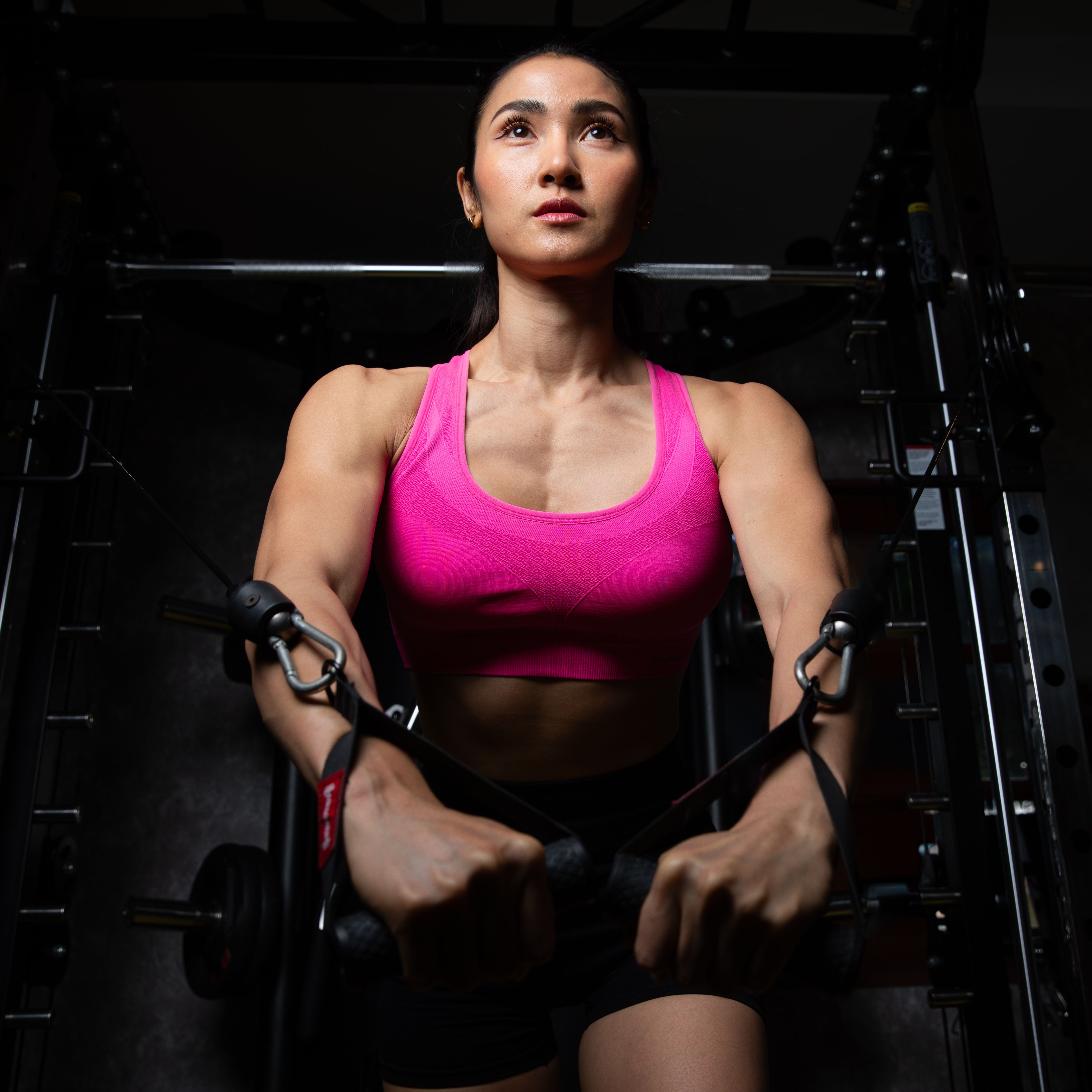
Does lifting heavy make you bulky?
No. Picking up a heavier dumbbell doesn't trigger sudden, dramatic muscle growth.
How much muscle you build depends on your training volume, effort, nutrition, genetics, and how long you've been lifting. Building meaningful muscle is slow, steady work.
Also, "heavy" is relative. You don't need to max out on every set. ACSM's 2026 review found that many training styles can work, as long as the weekly volume is there.
The goal isn't to lift the heaviest weight in the room. It's to challenge your muscles, then raise that challenge as you get stronger.
That's progressive overload.
Do Light Weights and High Reps Tone Your Muscles?
Light weights aren't useless. They just don't have a magical "toning" effect.
The problem starts when you do the same 3-pound dumbbell circuit for months because it's labeled "toning." Once 15 reps feel easy and nothing changes, your body has little reason to keep adapting.
As you get stronger, your training should progress with you. More weight, more reps, more sets. Something has to move.
This is where FitnessAI takes the guesswork out. Instead of wondering whether it's finally time to jump from 20-pound dumbbells to 25s, FitnessAI adjusts sets, reps, and weights based on how each workout actually went. Its progressive overload system is built on millions of real training data points.
You lift. Your performance tells the app what to do next.
No digging through old notes on your phone required.
Do You Have to Lose Fat to Look Toned?
It depends on where you're starting and what "toned" means to you.
For some people, building muscle alone makes an area look more defined. For others, losing some body fat while keeping muscle is what makes existing muscle show.
And no, you don't need to get as lean as possible. There's no magic body fat percentage where everyone suddenly looks toned. Everyone stores fat differently, and the look you want is personal.
Here's the part people often miss: strength training helps with fat loss too. A meta-analysis of healthy adults found that resistance training alone led to modest drops in body fat percentage and fat mass compared with not exercising at all.
So lifting isn't something to save for "after" you lose weight. It's part of the process.
Can You Tone One Specific Part of Your Body?
You can train a specific muscle. Shoulders, glutes, quads, abs. All fair game.
What you can't reliably do is choose where you lose fat.
A systematic review on localized exercise found no meaningful evidence that training one area burned more fat in that spot. Some newer, limited research suggests it might play a small role under certain conditions, but the practical advice hasn't changed.
Hundreds of crunches won't melt belly fat.
Train muscles where you want more strength and shape. Treat fat loss as a whole-body goal.
How to Actually Get a More Defined Look
Forget the "toning" label. Here's what works.

1. Strength train consistently
Your body needs a reason to build or keep muscle. Lifting gives it one.
ACSM recommends training all major muscle groups at least twice a week. You don't need to live at the gym. You need a routine you can actually stick with.
That matters, because time is the biggest hurdle for a lot of people. In FitnessAI's 2026 survey of 1,063 users, 33.4% named time as a barrier to staying consistent.
If Tuesday gives you 30 minutes, train for 30. If Thursday gives you 10, that still counts.
FitnessAI builds workouts anywhere from 5 to 30 minutes, adjusting exercises, sets, and reps to fit the time available. The point isn't a perfect session every time. It's keeping useful training in your week when life gets busy.
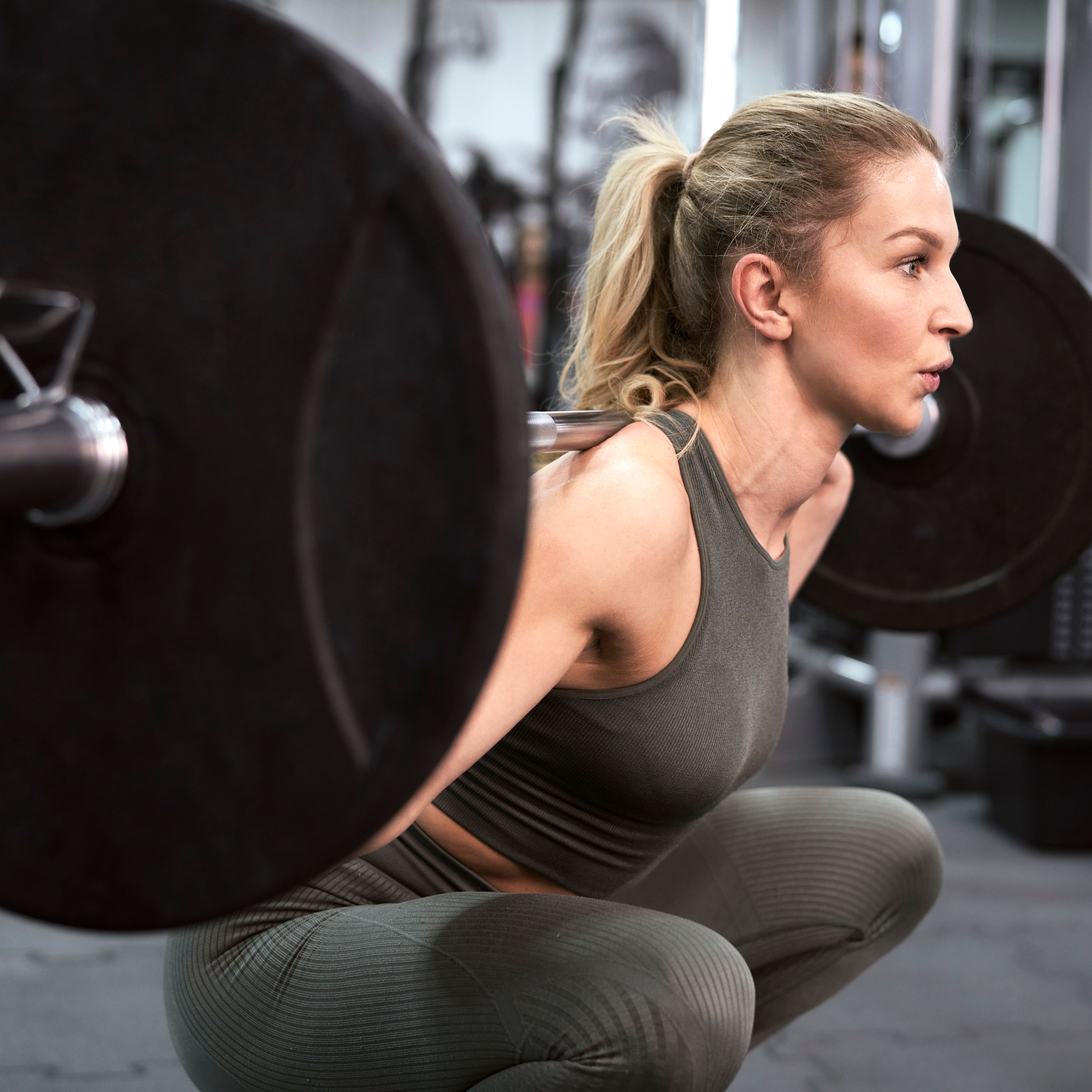
2. Progress your training
Random workouts make you tired. Progressive workouts make you better.
When you're lifting more, getting more good reps, or moving on to harder exercises, that's proof your body is adapting. Switching to a brand-new "toning workout" every day makes that progress hard to see.
FitnessAI handles this by using past performance to set up future workouts. It also shows users why the numbers changed, instead of quietly adjusting things in the background. That transparency clearly lands with people: nearly three-quarters of surveyed users chose progressive weight suggestions as one of their most valued features.
Small jumps add up. Less flashy than "toned in 10 days," but that's how progress happens.

3. Eat enough protein
Training is the signal. Protein is part of the building material.
A large meta-analysis found protein supplementation can boost muscle and strength gains during resistance training when overall protein intake is too low. The benefit for lean mass seemed to level off around 1.6 grams per kilogram of body weight per day in the people studied.
That doesn't mean you have to hit exactly 1.6 g/kg every single day. It means protein matters, and getting enough of it consistently matters more than timing your chicken breast to the minute.
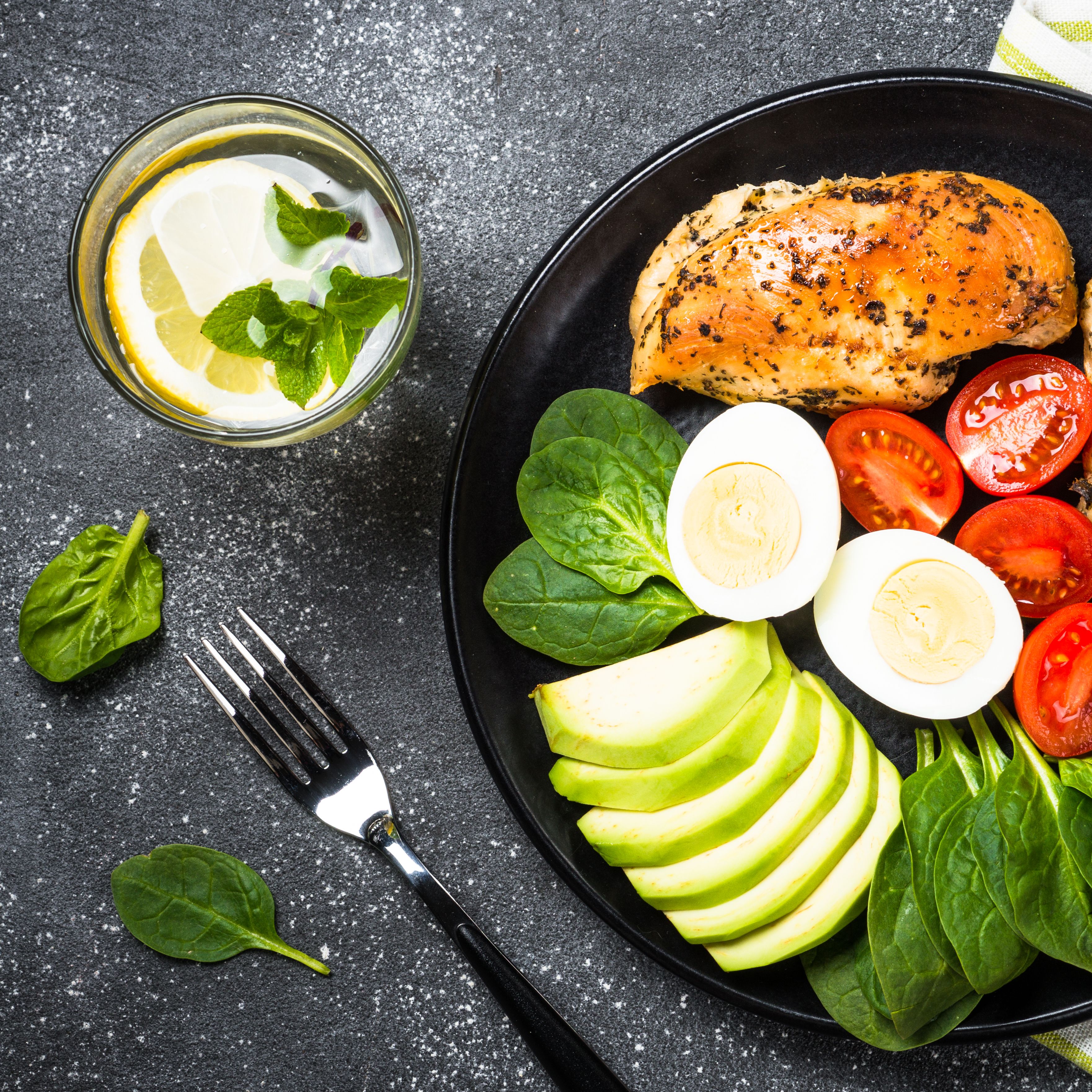
4. Lose fat without losing muscle
If fat loss is part of your goal, nutrition takes center stage. You'll generally need to eat a little less than you burn over time.
But more aggressive isn't better, especially when you're trying to train well. Think of it as a team effort. Nutrition creates the conditions for fat loss. Lifting tells your body to hold on to its muscle.
The goal isn't just a smaller number on the scale. It's a better body composition underneath it.
Why the Scale Can Fool You
Picture this. You lift consistently for a few months. You build some muscle and lose some fat. Your clothes fit differently. Your shoulders and legs look sharper.
The scale barely moves.
Did nothing happen? Of course not. Body weight tells you how much you weigh, not what changed.
That's why FitnessAI's BodyScan tracks visual changes over time, so the scale isn't the only measure of progress. It's also worth paying attention to:
- Progress photos taken in similar lighting
- How your clothes fit
- Strength gains
- Waist or body measurements
- How your body looks and feels
FitnessAI users agree. BodyScan was chosen as a valued feature by 59.2% of survey respondents, and clearer progress tracking was the top answer when users were asked what would build more trust in the app.
What Should a "Toning" Workout Look Like?
It should look like a normal, balanced strength program. A solid week might include:
- Squats, lunges, or leg presses
- Romanian deadlifts or other hip hinges
- Rows and pulldowns
- Chest presses or push-ups
- Overhead presses
- Curls and triceps work
- Direct core training
The exact exercises matter less than having a structured plan you follow and progress.
Your plan should also fit the equipment you actually have. Full gym one week, just dumbbells the next? FitnessAI adapts the workout and swaps exercises while keeping the purpose of the session intact.
Because sometimes the cable machine is taken. By the same person. Every single day.
How Long Does It Take to Get Toned?
There's no honest one-size-fits-all answer. It depends on your starting point, training experience, genetics, nutrition, sleep, consistency, and how big a change you're after.
Beginners often feel stronger pretty quickly. Visible changes usually take longer.
That's why it helps to track more than the mirror. Maybe you pressed 20 pounds six weeks ago and now you're pressing 25. Maybe six reps became ten. Maybe the same workout doesn't wipe you out anymore.
That's progress. It often shows up in your training long before it shows up in a photo.

The Bottom Line: Don't Tone. Train.
Getting a more toned look is simpler than the fitness industry makes it sound.
Build or maintain muscle. Lose fat gradually if that's your goal. Eat enough protein. Recover. Keep progressing.
Then repeat long enough for it to add up.
You don't need pink dumbbells, a magic rep range, or a workout with "sculpt" in the title. You need structure.
That's the idea behind FitnessAI. Open the app, see what to lift, and let the plan adjust as you improve. Sets, reps, weights, equipment, recovery, and workout length all adapt without you rebuilding anything.
You show up. FitnessAI handles the plan.
Frequently Asked Questions
What does getting toned actually mean?
It means having enough muscle and low enough body fat for some definition to show. Muscles don't enter a special "toned" state. The look comes from body composition.
Should I lift heavy or light weights to get toned?
Both can work. What matters is challenging your muscles enough and increasing that challenge over time. There's no need to avoid heavier weights out of fear of getting bulky.
Can I get toned without losing weight?
Yes. Building muscle while losing some fat can change your shape and definition even if the scale barely moves.
Can I tone my stomach with ab exercises?
Ab exercises strengthen your core, but they won't target the fat covering it. Overall body composition decides how visible your abs are.
How many times a week should I strength train to get toned?
ACSM recommends training all major muscle groups at least twice a week. Beyond that, the best schedule is the one you'll actually stick with.
Downlaod FitnessAI TODAY!
Alyssa Gonzalez
