


Your Brain on Barbells: The Cognitive Benefits of Strength Training
Strength training isn't just about building muscle, it's building a better brain. While most people hit the gym for physical gains, the cognitive benefits of resistance training might be even more impressive than the aesthetic ones.
Recent research shows that regular strength training doesn't just make you stronger, it makes you sharper, more focused, and better equipped to handle stress. Let's break down what happens to your brain when you pick up the weights.
Before diving into the cognitive science, let's address a common concern: many people hesitate to start strength training because they don't know where to begin. The key is How to Start 2026 Strong: Simple Fitness Habits That Actually Stick rather than perfect execution from day one.
The Science: How Lifting Weights Rewires Your Brain
When you perform strength training, your body initiates a cascade of neurological changes. Resistance exercise increases blood flow to the brain, delivering more oxygen and nutrients to cognitive centers. This enhanced circulation triggers the production of brain-derived neurotrophic factor (BDNF), essentially fertilizer for your brain cells.
Studies published in the Journal of Applied Physiology demonstrate that just two sessions per week of resistance training significantly improves executive function, the mental skills that help you plan, focus, and multitask. These aren't marginal gains. Participants showed measurable improvements in memory recall, problem-solving speed, and attention span.
The mechanism is fascinating: strength training creates controlled stress on your body, forcing your nervous system to adapt. Your brain forms new neural pathways to manage increasingly complex movement patterns. Over time, this Neuroplasticity extends beyond the gym, improving your brain's ability to learn and adapt in all areas of life.
.png)
Memory Enhancement Through Progressive Overload
Progressive overload, the gradual increase of weight, reps, or intensity, isn't just the cornerstone of muscle growth. It's also a powerful cognitive training protocol.
Research from the University of Sydney found that participants who engaged in progressive resistance training showed significant improvements in cognitive function compared to those who performed low-intensity exercise. The key factor? The brain's response to challenge and adaptation.
When you consistently push your limits, adding five more pounds, completing an extra rep, or perfecting your form, you're training your brain to embrace difficult tasks. This translates directly to improved memory consolidation and recall.
Progressive overload isn't complicated, but it requires consistency and precision. Learn more about The Science of Progressive Overload: Why It's Still the #1 Key to Your Summer Body and how FitnessAI automates this crucial principle.
FitnessAI's algorithm automatically manages progressive overload for you, using millions of data points to determine the optimal weight, sets, and reps for every workout. This takes the guesswork out of progression while ensuring your brain gets the consistent challenge it needs for cognitive enhancement.
Stress Reduction and Mental Clarity
Chronic stress literally shrinks your brain, particularly the hippocampus, the region responsible for memory and emotional regulation. Strength training acts as a powerful buffer against this damage.
A comprehensive review in the journal Frontiers in Psychology found that resistance training significantly reduces anxiety symptoms and improves mood regulation. The mechanism is twofold: physical (through endorphin release and cortisol regulation) and psychological (through achievement and mastery).
There's something uniquely clarifying about knowing exactly what you need to accomplish during a workout. FitnessAI eliminates decision fatigue by serving up your precise workout plan, sets, reps, and weights calculated specifically for you. This clarity extends beyond the gym, training your brain to focus on execution rather than deliberation.
This intelligent approach to training is why AI Programming Beats Muscle Confusion (And Actually Drives Growth). Your brain and muscles both benefit from structured progression, not random chaos.
Neurogenesis: Growing New Brain Cells
For decades, scientists believed adults couldn't generate new brain cells. That myth has been thoroughly debunked. Neurogenesis, the formation of new neurons, continues throughout life, and strength training is one of the most effective ways to stimulate it.
Animal studies show that resistance exercise triggers significant increases in Hippocampal neurogenesis. While human studies are still emerging, preliminary evidence suggests similar effects, particularly in aging populations.
The implication? Your strength training routine might be one of the most important investments in long-term cognitive health. Consistency matters more than intensity, which is why FitnessAI's flexible workout durations (5-30 minutes) make it easier to maintain the regular training schedule your brain needs.
.png)
Executive Function and Decision-Making
Executive function encompasses working memory, cognitive flexibility, and inhibitory control, the mental processes that separate high performers from everyone else. Strength training enhances all three.
A meta-analysis in the British Journal of Sports Medicine examined 24 studies and concluded that resistance training significantly improves executive function in adults, with effects comparable to aerobic exercise. The researchers noted particular improvements in tasks requiring cognitive flexibility and attention.
The carry-over is substantial: better executive function means improved job performance, stronger relationships, and more effective goal achievement. When your training is optimized, like it is with FitnessAI's AI-powered workout generation, you free up mental bandwidth for the things that actually matter in your life.
Whether you're traveling for work or stuck at home, maintaining your routine is crucial. That's why Holiday Fitness Survival: How 5-Minute Workouts Keep You on Track even during disrupted schedules.
Mood Regulation and Mental Health
Depression and anxiety aren't just psychological states, they're neurobiological conditions that affect brain structure and function. Strength training has emerged as a surprisingly effective non-pharmaceutical intervention for both.
A landmark study published in JAMA Psychiatry found that resistance training significantly reduces depression symptoms, regardless of health status, training volume, or strength improvements. The effects were consistent across different populations, suggesting the benefits are universal.
The mental health benefits likely stem from multiple mechanisms: increased self-efficacy, social interaction (even if it's just nodding at your gym buddies), structured routine, and neurochemical changes. FitnessAI reinforces these benefits through progress tracking and streak maintenance, external validation that you're moving forward.
When it comes to body composition changes that support mental health, Burn More Fat with Smart Training: What Actually Works (and What Doesn't) cuts through the noise and focuses on evidence-based strategies.
.png)
Age-Related Cognitive Decline: The Best Defense
Perhaps the most compelling reason to start strength training today is its protective effect against age-related cognitive decline and dementia.
The Sydney Memory and Ageing Study followed adults for years and found that higher muscle strength was associated with better cognitive function and lower risk of Alzheimer's disease. The relationship was dose-dependent: more strength meant better brain health.
Starting a strength training practice today is an investment in your cognitive future. If you're just beginning your strength training journey, How to Start Working Out (and Actually Stick With It): The Science of Getting Started breaks down the psychology and practical steps to build lasting habits.
FitnessAI's equipment-adaptive programming means you can maintain your practice regardless of life circumstances, full gym access, home setup, or hotel fitness room. Consistency over decades matters more than perfect conditions on any single day.
Sleep Quality and Cognitive Recovery
Quality sleep is non-negotiable for cognitive function, and strength training is one of the most effective sleep aids available. Regular resistance training improves both sleep quality and duration, particularly slow-wave sleep, the deepest, most restorative stage.
Better sleep means better memory consolidation, improved learning, and enhanced problem-solving abilities. It's a virtuous cycle: strength training improves sleep, which enhances recovery, which enables better training, which further improves sleep.
FitnessAI's recovery-aware programming automatically adjusts your workouts based on performance patterns, preventing the overtraining that can disrupt sleep and undermine cognitive benefits.
Confidence and Self-Efficacy
The cognitive benefits of strength training extend beyond measurable brain metrics. There's something profound about proving to yourself, workout after workout, that you're capable of more than you thought.
Self-efficacy, the belief in your ability to succeed, is a powerful predictor of achievement across all life domains. Strength training builds it systematically, one completed set at a time.
Seeing the numbers increase session after session, which FitnessAI tracks automatically, provides concrete evidence of your capacity for improvement. This doesn't just make you feel good; it literally reshapes how your brain approaches challenges.
.png)
A Note for Women: Lift Heavy, Think Sharper
The cognitive benefits of strength training are universal, but many women still hesitate to lift heavy weights due to outdated myths about "bulking up" or losing femininity. The science is clear: progressive resistance training is essential for everyone's brain health.
Why Women Should Lift Heavy: Strength, Shape, and Science debunks these myths and explains why challenging your muscles with meaningful resistance is the fastest path to both physical and cognitive transformation. The same neural adaptations that improve executive function and memory work identically regardless of gender—but only if you're providing sufficient stimulus through progressive overload.
The Consistency Advantage
All these cognitive benefits share one critical requirement: consistency. Sporadic training won't deliver sustainable results. Your brain needs regular, progressive challenge to adapt and improve.
This is where FitnessAI's flexible approach shines. Choose 5-30 minute workouts based on your schedule, and the algorithm ensures you're still progressing toward your goals. Even when time is tight, The 22-Minute Home Workout That Actually Works proves you don't need hours at the gym to see results, just smart, structured training.
Consistency becomes achievable because the barrier to entry is low, but the cognitive and physical returns remain high.
Beyond Traditional Strength Training
While structured strength training should form your foundation for cognitive benefits, variety can enhance both mental engagement and physical adaptation. Calisthenics Is Exploding - Should You Add It for a Summer Body? explores how bodyweight movements can complement your cognitive and physical development through increased body awareness and movement complexity.
The key is maintaining the principle of progressive overload regardless of modality. Your brain responds to challenge and adaptation, whether that comes from adding weight to a barbell or mastering increasingly difficult movement patterns.
Start Building a Stronger Brain Today
The evidence is clear: strength training is brain training. The cognitive benefits, improved memory, enhanced executive function, better mood regulation, and protection against cognitive decline, are as compelling as the physical transformations.
The question isn't whether you should start strength training. It's whether you're ready to invest in your cognitive future with the same intentionality you bring to other areas of your life.
FitnessAI removes the complexity and guesswork from strength training, delivering personalized, science-backed workouts that adapt to your progress. Your brain, and your body, will thank you.
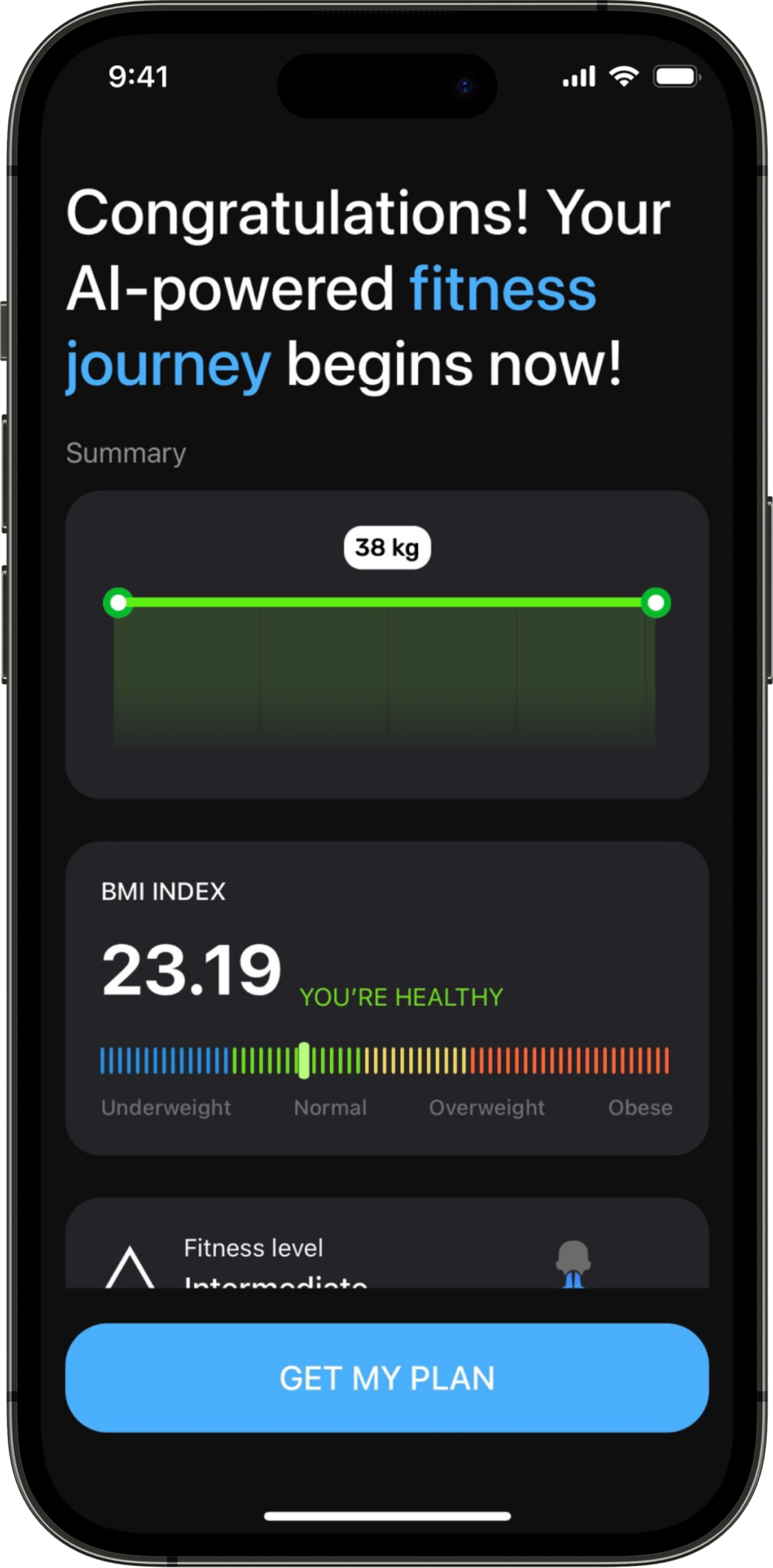
Ready to train smarter and think sharper? Download FitnessAI and get your first AI-optimized workout today. Build the brain you deserve, one rep at a time.
Alyssa Gonzalez
