


Why You're Not Getting Stronger (Even Though You're Trying)
Showing up to the gym consistently is genuinely hard. So when someone is putting in the reps week after week and still not seeing progress, that's not a motivation problem, it's a strategy problem.
Strength doesn't come from effort alone. It comes from the right kind of effort, applied consistently over time. Here's a look at the most common reasons people hit a wall, and what actually moves the needle.
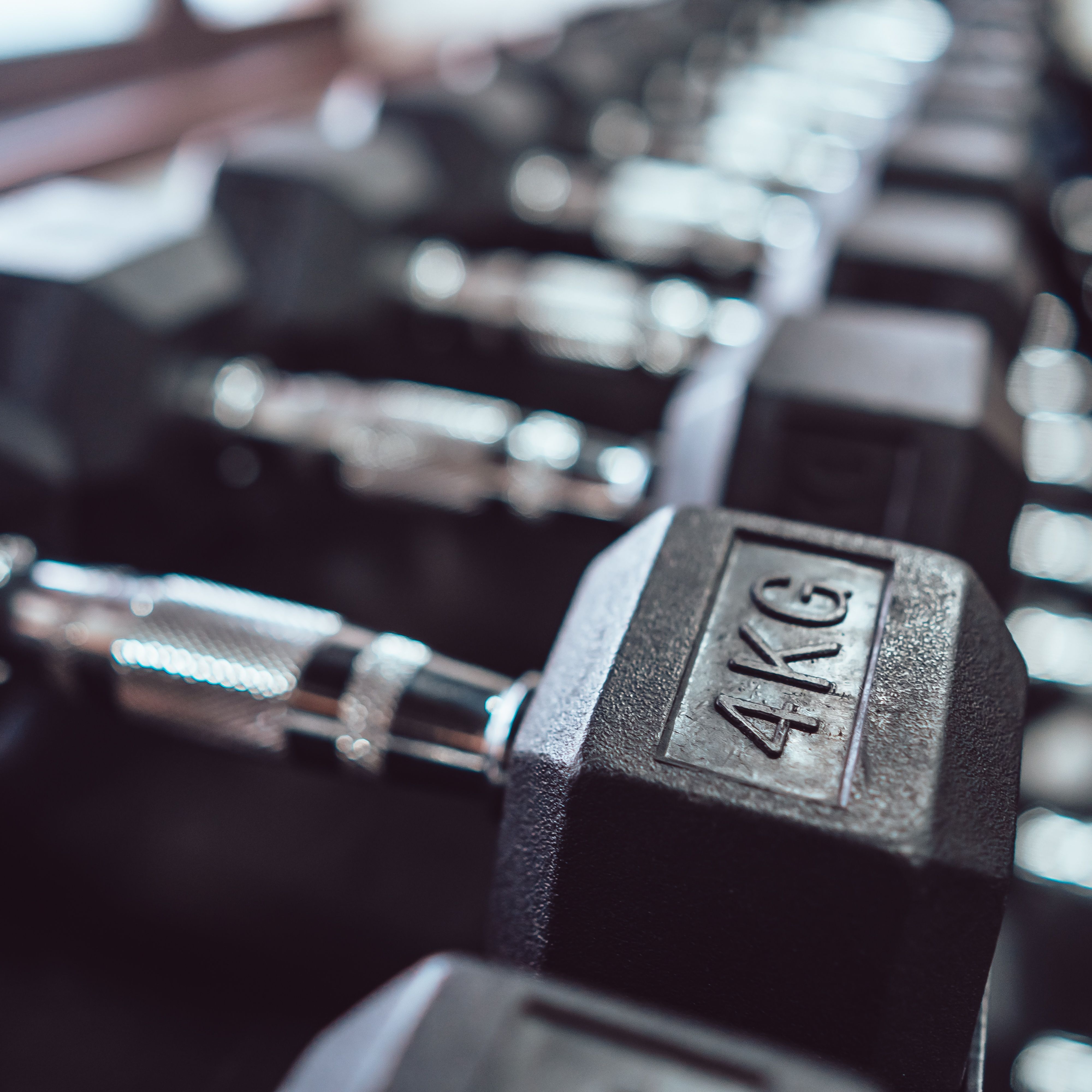
1. Progressive Overload Isn't Actually Happening
Primary keyword: progressive overload strength training
Progressive overload is the engine behind getting stronger. Without increasing the challenge over time, muscles simply don't have a reason to adapt.
The tricky part? Most people think they're progressing when they're not.
- Lifting the same weights week after week
- Repeating the same rep ranges without tracking
- Adding weight based on feel rather than data
That's not progression, that's maintenance in disguise.
What actually helps
Progression needs a system. Whether it's more weight, more reps, or more total volume, something has to move forward over time.
This is where FitnessAI earns its place. Rather than leaving lifters to guess whether to go heavier, the app analyzes past sessions and automatically calibrates the next one, challenging enough to drive adaptation, not so aggressive it causes burnout.
The guesswork gets replaced with a clear path forward.
.png)
2. The Program Doesn't Adjust to Real Life
Long-tail keyword: why am I not getting stronger despite working out
Most training plans are built around an ideal week. But real life isn't ideal.
Some sessions, everything clicks. Others, the body just isn't there, whether from poor sleep, stress, or back-to-back busy days. A rigid program treats every session the same, which means:
- Pushing too hard when the body needs a lighter day
- Not pushing hard enough when it's ready for more
Either way, progress stalls.
What actually helps
A plan that responds to actual performance is far more effective than one that doesn't. If last session was a struggle, the next one should acknowledge that. If someone crushed their lifts, the plan should keep that momentum going.
FitnessAI adjusts workouts based on real performance data, so training always lands at the right intensity, not according to what the calendar says, but according to what the body is actually doing.

3. Sets Are Ending Too Early
Secondary keyword: how many reps for strength gains
There's a big difference between feeling like a set was hard and actually training close to failure.
A lot of people finish sets with more in the tank than they realize. The last rep feels uncomfortable, so they stop, but if there were still 4 or 5 reps left, the stimulus for growth probably wasn't there.
Signs this might be happening:
- Every set feels manageable from start to finish
- The last rep looks just as clean as the first
- There's never any real sense of being pushed
What actually helps
Training within 1 to 3 reps of failure on a regular basis is where meaningful strength stimulus happens. That doesn't mean maxing out every session, it means consistently working hard enough that the body has to adapt.
FitnessAI prescribes weights based on individual history, so sets are calibrated to be genuinely challenging. Instead of underloading, lifters naturally end up in the right intensity zone without having to figure it out themselves.

4. Tracking Is Inconsistent (or Nonexistent)
Conversational search phrase: do I need to track my workouts to build muscle
Memory is a surprisingly unreliable training partner. Without tracking, it's almost impossible to know whether progress is actually happening, and easy to accidentally repeat the same weights over and over.
Without a log, there's no way to know:
- Whether strength is improving
- What to aim for in the next session
- Where the last three weeks actually landed
What actually helps
Tracking weight, reps, and sets creates a feedback loop that makes progression visible, not just hoped for.
FitnessAI does this automatically. Sessions are logged without extra effort, and progress shows up clearly over time. When someone can actually see their strength improving, staying consistent becomes a lot easier.

5. The Plan Falls Apart When Equipment Changes
Secondary keyword: gym workout plan with limited equipment
Most programs assume access to the same equipment every session. But gyms get busy. People travel. Machines are taken.
When a plan doesn't account for that, workouts get thrown off, or skipped entirely.
What actually helps
Flexibility without losing structure is the goal. Swapping an exercise shouldn't mean starting from scratch or breaking a progression streak.
FitnessAI allows adjustments based on available equipment while keeping overall progress intact. The strength trajectory doesn't have to reset just because a cable machine is occupied.

6. Recovery Isn't Being Taken Seriously
Long-tail keyword: why am I not recovering between workouts
Strength is built during recovery, not during the workout itself. The training session is just the stimulus; the adaptation happens afterward.
When recovery falls short, the warning signs are pretty clear:
- Feeling weaker from one week to the next
- Lifts regressing instead of improving
- Persistent soreness or fatigue that never quite clears
What actually helps
The balance between training stress and recovery matters just as much as the training itself. That means prioritizing sleep, managing overall volume, and not treating every session like a max effort test.
FitnessAI factors performance trends into future sessions. If output is dropping, the program adjusts rather than continuing to push into a hole. It's a more sustainable approach, especially for people with demanding schedules outside the gym.

7. Overthinking Is Getting in the Way
Conversational search phrase: what is the best workout plan for strength
This one is underrated as a reason people stop progressing.
Hours spent researching programs, second-guessing whether the current routine is optimal, and hopping between plans every few weeks might feel productive, but it often works against consistency, which is the actual driver of results.
What actually helps
The best program is one that gets followed long enough to work. That means it progresses over time, adjusts to performance, and fits into real life without requiring constant management.
FitnessAI is built around that idea. Open the app, follow the workout, and trust that it's calibrated toward getting stronger. Less mental overhead. More consistent training.
What Getting Stronger Actually Comes Down To
Strip away all the variables, and strength gains come from a handful of things done consistently:
- Progressive overload over time
- Training at the right intensity
- Tracking what's actually happening
- Recovery that matches the workload
- A plan that holds up in the real world
Most people who aren't progressing aren't failing at effort, they're missing one or more of these pieces.
A Smarter Way to Train
If someone is motivated, showing up regularly, and still spinning their wheels, more effort usually isn't the answer. Better structure is.
That's the practical case for FitnessAI. Instead of guessing at weights, repeating the same sessions on autopilot, or wondering whether any of it is actually working, there's a system doing that work automatically.
Progress stops being something to hope for and starts being something that's easy to see.
Final Thoughts
Stalled progress is never random. There's always a reason, not enough progression, not enough intensity, too much guesswork, not enough recovery.
Address those, and strength follows.
FitnessAI handles the progression, adaptation, and tracking so the focus can stay on showing up and lifting. For anyone tired of putting in the work without seeing the results, that's a good place to start.
Download FitnessAI NOW!
Alyssa Gonzalez
