


How Much Protein Do You Really Need? Evidence-Based Intake for Lifters
Most people have stood in the kitchen at some point, staring at a tub of protein powder and wondering whether they actually need another scoop.
"Am I eating enough protein to build muscle?" It's one of the most common fitness questions out there, and for good reason. Between gym floor debates and contradictory articles online, the advice ranges from surprisingly modest to borderline excessive.
Here's what the research actually says, along with practical examples and a straightforward way to apply it without obsessing over every meal.
Why Protein Matters for Lifters
Protein does a lot more than just add size to muscles. It plays a genuine role in:
- Muscle repair and growth
- Recovery between workouts
- Strength progression
- Satiety and fat loss
Every time someone trains, especially with resistance, small amounts of muscle damage occur. Protein provides the building blocks the body needs to repair and reinforce those muscles.
Without enough of it, training results slow to a crawl. With the right amount, the body adapts faster and more efficiently.
.png)
How Much Protein Do You Actually Need?
The Evidence-Based Range
For people who lift weights regularly, research consistently points to:
0.7 to 1.0 grams of protein per pound of body weight per day(or 1.6 to 2.2 grams per kg)
This is the sweet spot for maximizing muscle growth and recovery.
What This Looks Like in Practice
- 150 lb person → 105 to 150 grams/day
- 180 lb person → 125 to 180 grams/day
- 200 lb person → 140 to 200 grams/day
Hitting the absolute top of that range isn't necessary for most people, unless they're in a cutting phase or training at very high intensity. For the majority, landing somewhere in the middle gets the job done.
Do You Need More Protein to Build Muscle Faster?
Short answer: not really.
Once someone is eating within the optimal range, adding more protein doesn't meaningfully accelerate progress. Muscle growth is limited far more by:
- Training quality
- Progressive overload
- Recovery
- Sleep
This is where a lot of lifters get stuck. They spend energy fine-tuning their nutrition while overlooking whether their workouts are actually pushing them forward.
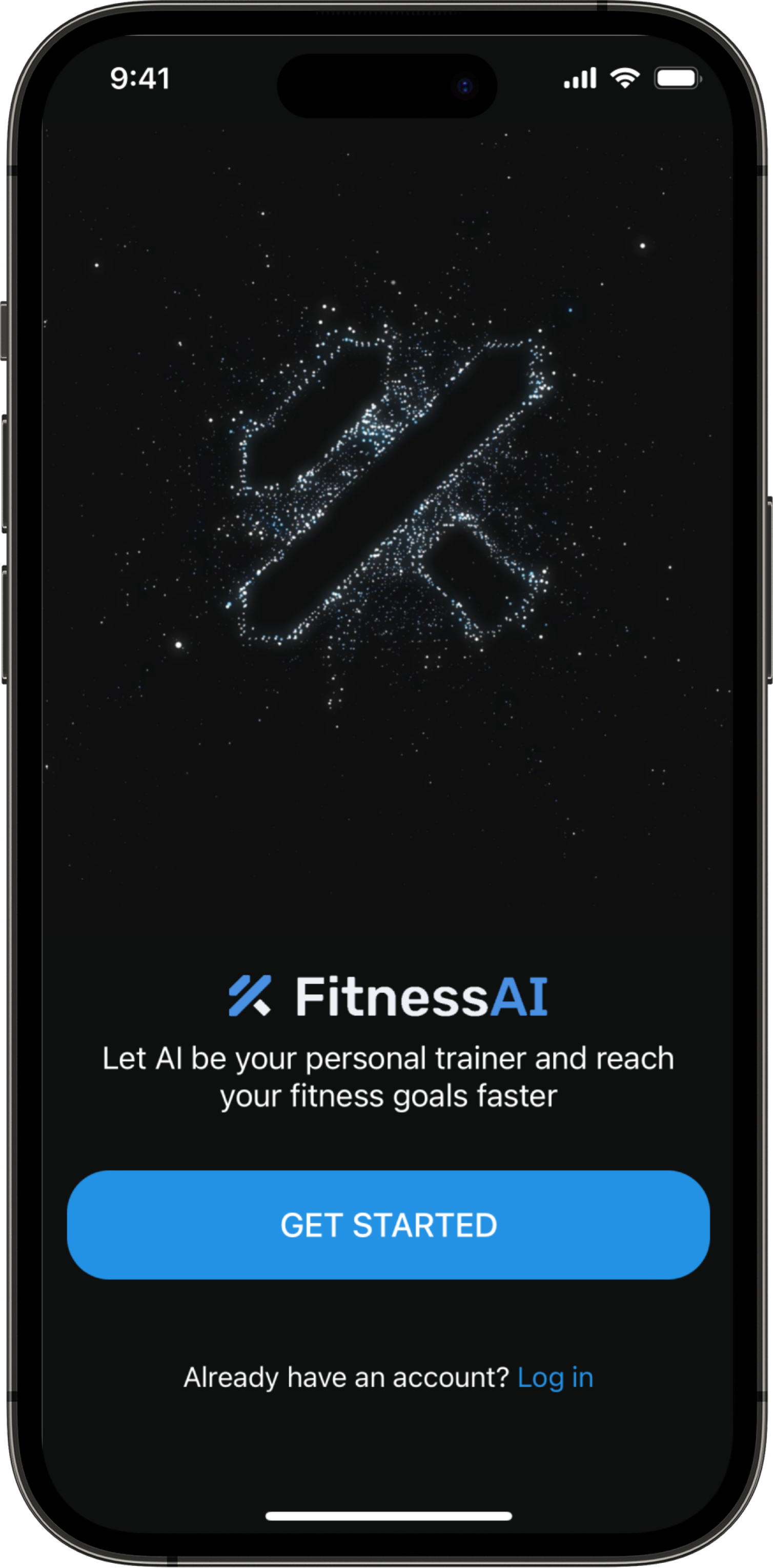
That's why tools like FitnessAI can make a real difference. Rather than guessing at the next workout, it adjusts sets, reps, and weights based on past performance, so the protein being consumed actually has a reason to go toward building muscle.
Protein Timing: Does It Matter?
The "anabolic window" has been talked about for years. The reality is a bit more grounded.
What Actually Matters
- Total daily protein intake is the priority
- Spreading protein across 3 to 5 meals
- Aiming for 25 to 40g per meal
Consistency matters far more than perfect timing. Whether training happens in the morning or evening, getting protein in within a few hours is plenty. No need to panic about missing a 30-minute window.

Best Protein Sources for Lifters
The focus should be on high-quality, complete protein sources:
Animal-Based
- Chicken, turkey
- Lean beef
- Eggs
- Greek yogurt
- Fish
Plant-Based
- Tofu, tempeh
- Lentils, beans
- Quinoa
- Plant-based protein powders
A mix of both works well. What matters most is consistently hitting the daily target.
Common Mistakes People Make
1. Underestimating Intake
Most people genuinely believe they're eating enough protein. Most of the time, they aren't.
Even tracking for a few days can be a real eye-opener.
2. Overcomplicating It
Perfect macros, perfect timing, six meals a day, none of that is necessary.
What's needed is consistency.
3. Ignoring Training Quality
Protein supports muscle growth. It doesn't create it.
If workouts aren't progressing, eating more protein isn't going to fix the problem.
This is where many lifters plateau, grinding through the same weights and reps week after week, wondering why nothing's changing.
FitnessAI helps address this by automatically progressing workouts based on actual performance, removing the guesswork and keeping training moving forward. That's what makes the nutrition side of things actually effective.
Protein and Fat Loss
For anyone trying to lose fat while holding onto muscle, protein becomes even more important.
Higher protein intake helps:
- Preserve lean muscle
- Reduce hunger
- Improve body composition
In this scenario, aiming toward the higher end of the recommended range is worth it.
That said, it only works when the training supports muscle retention. A structured, adaptive plan matters just as much as what's on the plate.
.png)
How to Hit Your Protein Target Without Stress
Here's a simple daily framework:
Build the Day Around Protein
- Breakfast: 25 to 35g
- Lunch: 30 to 40g
- Dinner: 30 to 40g
- Snack or shake: 20 to 30g
That's it. No spreadsheets required.
Keep It Flexible
Life gets busy, and that's fine.
- Protein shakes are a perfectly reasonable option
- Meal prep helps but isn't mandatory
- Eating out can still work
The goal is consistency, not perfection.
Where Most People Get Stuck
Even with a solid understanding of protein, real-life challenges get in the way:
- Uncertainty about whether workouts are actually effective
- Falling into the same routine on repeat
- Limited time
- A frustrating lack of visible progress
Nutrition alone doesn't solve any of that.
That's where something like FitnessAI fits naturally into the picture.
Rather than manually planning workouts, it uses past training data to:
- Adjust weights automatically
- Increase or decrease volume based on recovery
- Adapt to the equipment that's actually available
- Track progress visually over time
The result is more than just eating enough protein, it's giving the body an actual reason to use it.
The Bottom Line
Here's what's worth remembering:
- Aim for 0.7 to 1.0g of protein per pound of body weight
- Focus on total daily intake over perfect timing
- Spread protein across meals
- Pair it with progressive, effective training
Protein is the tool. Training is the trigger.
When both are aligned, results follow.
A Simple Next Step
For anyone who wants to stop guessing whether their training is keeping up with their nutrition, the place to start is making workouts smarter.
FitnessAI is one way to do that. It adjusts workouts automatically so that effort in the gym actually translates into real progress over time.
The consistency is on the lifter. The structure is handled.
Download FitnessAI NOW!
Alyssa Gonzalez
