


Why Strength Training Is the Best Investment You Can Make in Your Health
Most people treat exercise as something they should do, a box to check, a habit they keep meaning to start.
Strength training is different. It pays you back.
Building muscle doesn't just change how you look. It changes how you move, how you age, how you recover, and how you feel walking through your everyday life. While most fitness trends fade, the benefits of strength training compound quietly in the background, month after month, year after year.
There's an old analogy in health circles: if resistance training came in pill form, it would be the most prescribed medication on the planet. It improves metabolic health, increases longevity, strengthens bones, reduces injury risk, and helps people stay independent well into old age.
For busy adults trying to get the most out of their limited time, strength training might be the single highest-return health decision they can make.
The Compound Interest of Physical Health
Most people understand compound growth when it comes to money. Health works the same way.
Every workout is a small deposit. Over months and years, those deposits add up to something significant, and the benefits extend well beyond the gym.
Strength training helps people:
- Build and preserve lean muscle mass
- Increase bone density
- Improve insulin sensitivity
- Support sustainable fat loss
- Reduce injury risk
- Improve posture and mobility
- Boost energy and daily stamina
- Maintain independence with age
- Build genuine confidence and mental resilience
What makes this list compelling isn't any single item, it's that most of these benefits keep working long after the workout ends.
That's why strength training isn't just exercise. It's long-term health infrastructure.

What Building Muscle Actually Does
There's a widespread misconception that muscle is only relevant for people who want to look muscular. In reality, muscle is one of the most metabolically important tissues in the human body.
Muscle helps regulate blood sugar, drives metabolism, supports physical function, and contributes to balance and coordination. The more lean mass someone maintains, the more resilient their body becomes against the wear of daily life.
This matters especially because adults naturally lose muscle mass as they age, a process called sarcopenia. Without resistance training, that decline quietly accelerates. Strength training is the most effective tool for slowing it down.
Strength Training and Living Longer (and Better)
A question worth asking: does strength training actually help people live longer?
Research consistently points in the same direction. Resistance training is associated with lower rates of all-cause mortality and reduced risk of chronic disease.
More specifically, strength training supports the systems most tied to healthy aging:
- Cardiovascular health
- Metabolic function
- Bone density
- Mobility and balance
- Physical independence
But longevity is only part of the picture. The more meaningful concept is healthspan, the number of years someone remains active, capable, and genuinely independent.
Living longer is valuable. Living stronger is the goal.
Why Strength Training Beats Chasing the Scale
A lot of people start exercising because they want to lose weight. That's a reasonable goal. The problem is that scale weight is an incomplete measure of progress.
Someone can lose weight while also losing muscle. They can maintain the same weight while dramatically improving how they look and move. Neither story shows up on the scale.
Strength training shifts the focus toward building something valuable rather than just reducing a number.
When combined with proper nutrition, resistance training helps increase lean muscle mass, reduce body fat percentage, and support fat loss that actually lasts.
This is part of why BodyScan has become one of FitnessAI's most used features. Rather than fixating on daily weight fluctuations, users can visually track body composition changes over time, progress that the scale often misses entirely. FitnessAI designed BodyScan specifically to redirect attention toward visible, meaningful results.
.jpg)
The Real Barrier: Decision Fatigue
The benefits of strength training are well documented. Most people already know they should be doing it.
The challenge is consistency, and according to FitnessAI's February 2026 user survey, the biggest barriers are time, motivation, work schedules, energy levels, and travel.
But there's another barrier that doesn't get talked about as much: not knowing what to do.
Walking into the gym without a clear plan raises a familiar set of questions:
- What should I do today?
- How much should I be lifting?
- Am I actually progressing?
- Should I go heavier or stay where I am?
That mental overhead adds up. Decision fatigue is a real reason people stop showing up.
The most common reason users downloaded FitnessAI, according to survey data, was simple: they were exhausted from guessing and wanted to know exactly what to lift.
The Best Program Is the One That Gets Done
A perfect training program that never gets followed is worthless. A solid program that someone actually sticks to wins every time.
This is where most people get stuck, spending hours researching workout splits, exercise selection, and progression schemes instead of training.
FitnessAI was built to solve that problem directly.
Users receive personalized training recommendations based on their goals, experience level, available equipment, and schedule. The app automatically adjusts sets, reps, and weights to keep progress moving without requiring constant manual decision-making.
The goal isn't to make training more complicated. It's to remove unnecessary friction.
Open the app. Lift what it says. Show up next time.
Progressive Overload: The Engine Behind Long-Term Results
If there's one training principle responsible for most of the muscle and strength gains people actually see, it's progressive overload.
Progressive overload simply means gradually increasing the challenge placed on muscles over time. That can happen through more weight, more reps, more sets, better execution, or improved performance in the same movement.
The tricky part is knowing when and how to progress. Many lifters increase weight too quickly, or stay with the same weights for too long.
FitnessAI's progressive overload engine handles this automatically, drawing on millions of real training data points to adjust variables in the background. Progress doesn't come from dramatic jumps, it comes from small, consistent improvements that stack up over time.

Strength Training Works Even for Busy People
One common reason people put off starting a strength program is the assumption they need hours every week. That assumption is wrong.
Consistency matters more than volume. A focused 20–30 minute workout, done reliably, outperforms an ambitious program that never actually happens.
FitnessAI supports sessions from 5 to 30 minutes, building workouts that fit real schedules while keeping users moving toward their goals. According to FitnessAI's survey data, time is the number one obstacle to consistency, so the app was built around that reality.
The best workout is usually the one that fits the life someone is actually living.
When Life Gets in the Way
Most fitness plans are designed for ideal conditions. Real life rarely cooperates.
Work trips come up. Kids get sick. Schedules shift. Motivation disappears for a week. That's not failure, it's just how life works.
The real problem isn't missing a workout. It's not knowing how to adapt when things go sideways.
FitnessAI adjusts workouts based on whatever equipment is available at the time, a fully equipped gym, a hotel fitness center, or a handful of dumbbells at home. Progress doesn't require perfect conditions. It requires a structure flexible enough to keep going when conditions aren't perfect.
The Confidence That Comes From Getting Stronger
The physical benefits of strength training get most of the attention. The psychological benefits are often underestimated.
There's something that happens when someone gets consistently stronger. It's not about the weight on the bar. It's about what the weight on the bar represents, evidence.
Evidence that they're capable. Evidence that their effort is working. Evidence that they're improving.
FitnessAI's survey found that nearly 88% of users report feeling mostly or very confident during their workouts. That confidence isn't manufactured by motivational content. It's built through repeated proof that progress is real.
Frequently Asked Questions
Is strength training better than cardio? Both offer meaningful health benefits, and ideally most people include both in their routine. That said, strength training uniquely preserves muscle mass, improves body composition, and supports healthy aging in ways cardio alone doesn't.
How many days per week should someone strength train? For most adults, 2–4 sessions per week is enough to see real results. Consistency over time matters more than training frequency.
Can beginners start strength training? Absolutely, and beginners often see some of the fastest early progress, because almost every workout introduces a new adaptation stimulus.
What should someone look for in a strength training app? The best apps remove confusion and help users stay consistent. That typically means automatic progression management, equipment-based adjustments, and clear guidance on what to lift each session.
How can someone build muscle without a personal trainer?A structured progressive overload program handles most of what a trainer provides in terms of programming. Apps like FitnessAI automatically adjust sets, reps, weights, and workout structure based on performance and goals, removing the guesswork without requiring one-on-one coaching.
The Bottom Line
Strength training is one of the few health investments that improves nearly every area of life, muscle, mobility, metabolism, injury resilience, and long-term independence.
The challenge was never knowing that it works. The challenge is doing it consistently, especially when life gets complicated.
That's where structure becomes essential.
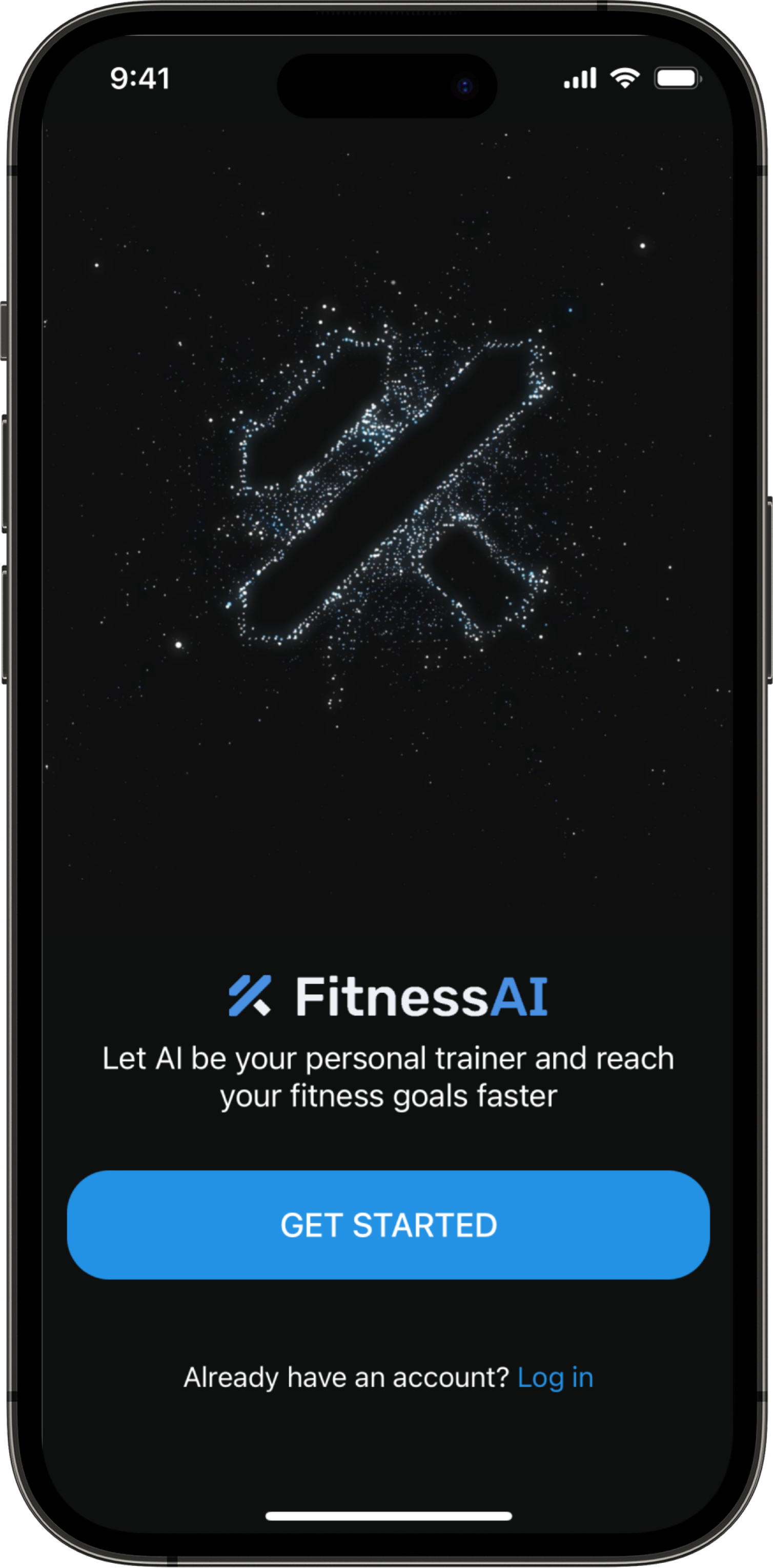
FitnessAI was built for people who want the real benefits of strength training without spending hours planning workouts, obsessing over progression, or second-guessing whether they're doing the right thing. The app handles the adjustments in the background, so users can focus on showing up and doing the work.
Progress should be predictable. The best investment in someone's health is one they can actually stick with.
Download FitnessAI NOW!
Alyssa Gonzalez
