


Too Busy to Get to the Gym? Try This 30-Minute Dumbbell Workout at Home
Some weeks the gym just isn't happening. Meetings run late, kids need picking up, or the idea of driving anywhere after a ten hour day feels impossible.
The good news is that a full body strength session does not require a gym membership or two hours of free time. A pair of dumbbells and 30 minutes is enough to build muscle, protect strength, and keep progress moving forward.
This guide breaks down a complete 30-minute dumbbell workout that can be done at home, along with the training principles that make it actually effective instead of just "something to do."
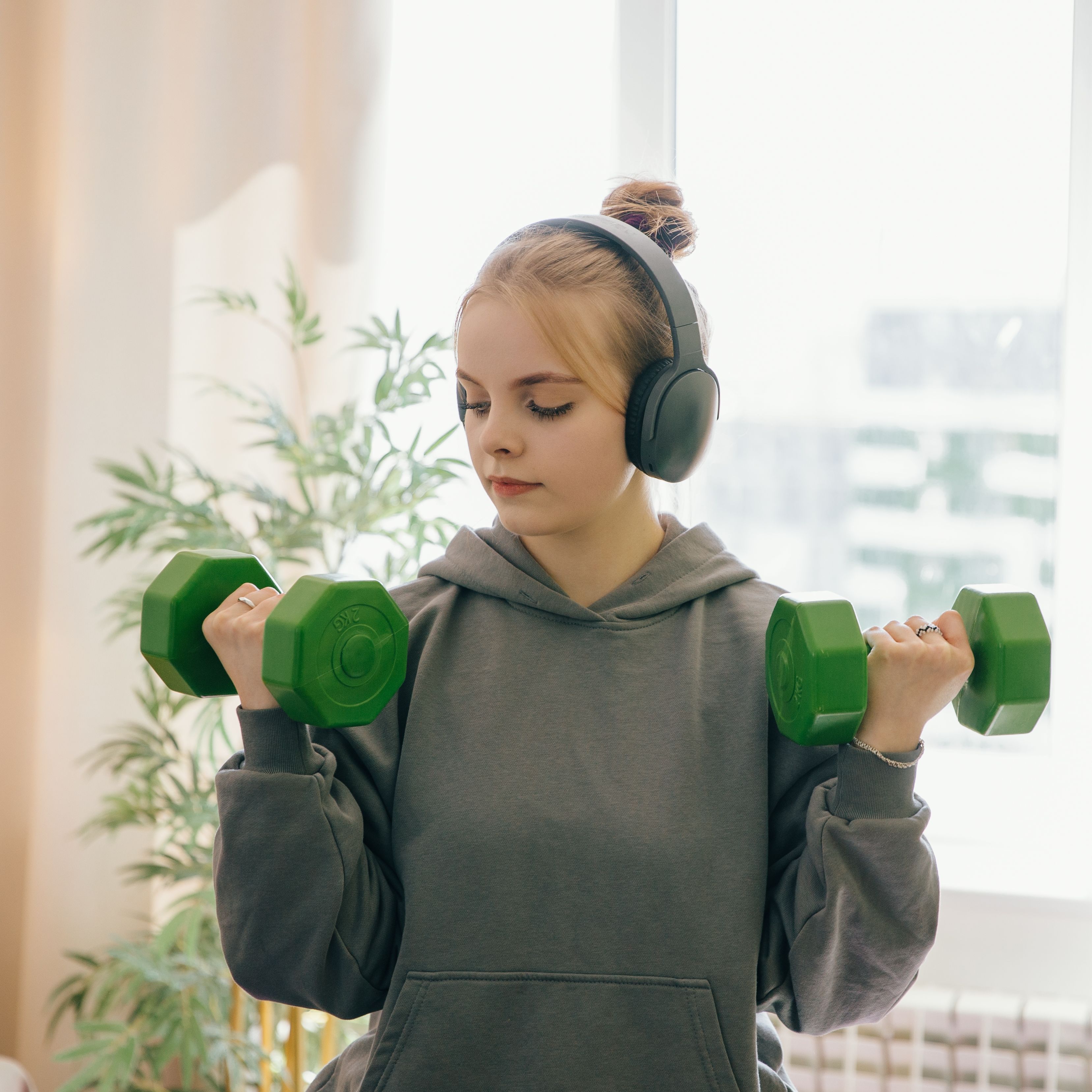
Why a 30-Minute Dumbbell Workout Actually Works
Busy people often assume that short workouts are compromise workouts. That is not true when the session is structured well.
Research on training volume consistently shows that total effort across the week matters more than the length of any single session. A focused 30 minutes with the right exercises, tempo, and intensity can maintain and even build strength, especially for people who are consistent.
The real risk is not that the workout is too short. It is that most short home workouts are unstructured. People grab dumbbells, do some curls and squats, and stop without a clear plan for sets, reps, or progression.
This is one of the most common reasons people plateau. Without a structure that adjusts over time, the body simply stops adapting. This is where a smart training system becomes genuinely useful rather than a marketing add-on. FitnessAI builds workouts around adaptive progressive overload, so even a compact 30-minute session is calibrated to nudge weight, reps, or tempo forward based on how previous sessions actually went. The plan changes as the person changes, instead of staying frozen at week one forever.
What You Need for This Workout
- Dumbbells: One pair of moderate weight, one pair of heavier weight if available
- Space: Enough room to lie down and extend arms fully
- Optional: A bench, sturdy chair, or step platform
- Time: 30 minutes, including warm-up
No equipment for a certain movement is not a reason to skip it. Swapping a bench press for a floor press, or a bench row for a single-arm row braced on a chair, keeps the workout on track. This kind of on-the-fly substitution is exactly the kind of decision that trips people up mid-workout, which is why equipment-based workout adjustments are built into FitnessAI. The app reshapes the session in real time based on what is actually available, so there is no guessing or Googling mid-set.
The 30-Minute Dumbbell Workout Structure
This session hits the major muscle groups: legs, chest, back, shoulders, and core, using compound movements that deliver the most result per minute.
Format: 4 rounds, moderate to heavy dumbbells, minimal rest between exercises within a round.
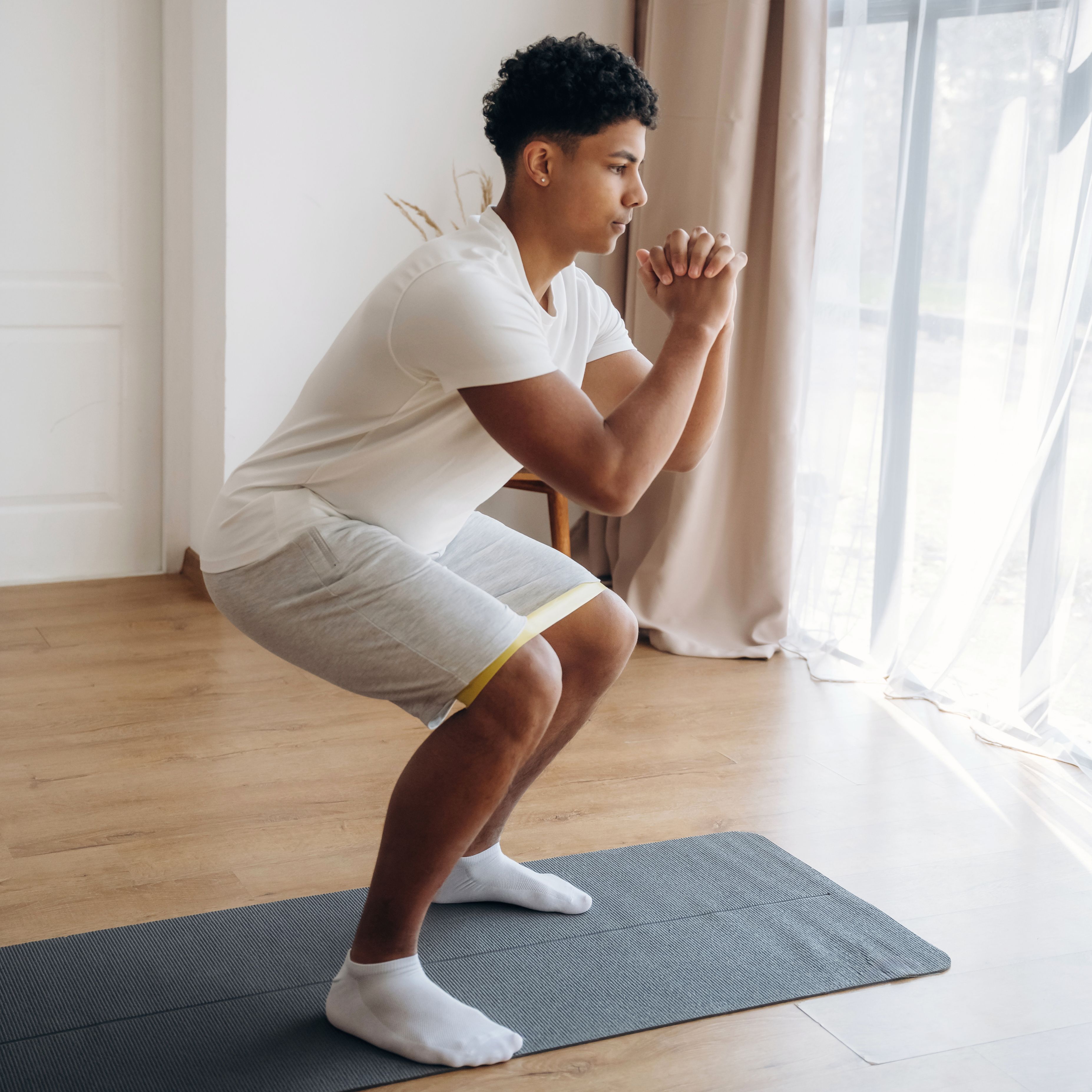
Warm-Up (5 Minutes)
- 30 seconds bodyweight squats
- 30 seconds arm circles
- 30 seconds walking lunges
- 30 seconds shoulder taps (plank position)
- Repeat once
A short warm-up increases blood flow, primes the joints, and reduces injury risk. Skipping it to save two minutes is rarely worth the trade-off.
Main Circuit (20 Minutes)
Perform each exercise for 40 seconds, rest 15 seconds, then move to the next. Complete 4 full rounds.
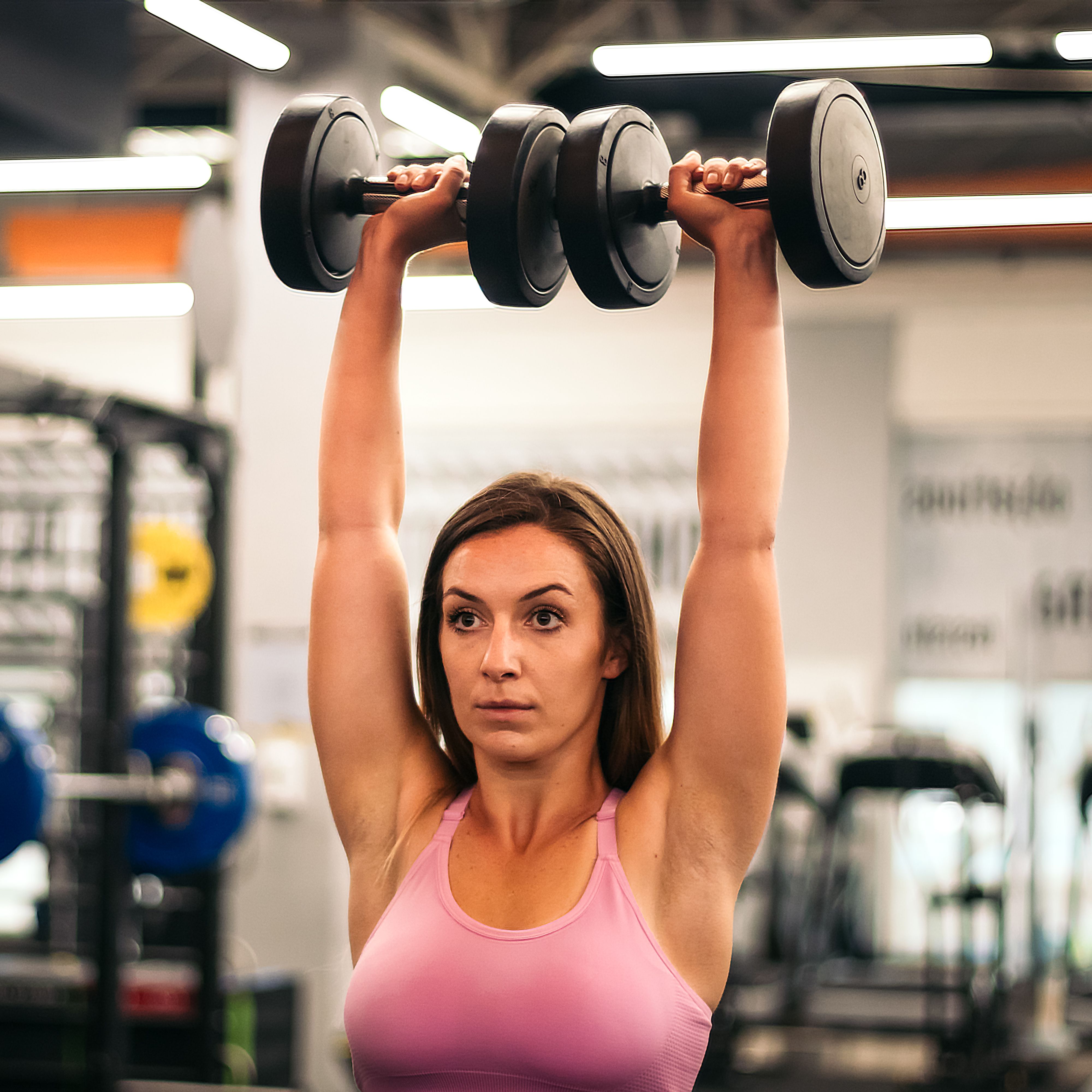
- Goblet Squats – Hold one dumbbell at chest height, squat down keeping chest up, drive through heels.
- Dumbbell Rows – Hinge at the hips, row one dumbbell at a time, squeeze the shoulder blade at the top.
- Dumbbell Floor Press – Lie on the floor, press dumbbells straight up, lower with control until elbows touch the ground.
- Reverse Lunges – Hold a dumbbell in each hand, step back into a lunge, alternate legs.
- Shoulder Press – Standing or seated, press dumbbells overhead without arching the lower back.
- Renegade Row Plank – In plank position with hands on dumbbells, row one arm at a time while keeping hips stable.
Coaching cue: Move with control rather than speed. Fast, sloppy reps reduce muscle tension and increase injury risk, especially under fatigue.
Core Finisher (5 Minutes)

- 40 seconds weighted dead bug
- 20 seconds rest
- 40 seconds side plank (each side)
- 20 seconds rest
- 40 seconds dumbbell Russian twists
This finisher targets rotational and anti-rotational core strength, which supports better performance in almost every other lift.
How to Know If the Workout Is Actually Working
A dumbbell workout can feel hard without actually building strength over time. The difference comes down to progression.
Signs the workout is working:
- The same weight starts to feel noticeably lighter after 2 to 3 weeks
- Reps that used to be difficult are now controlled and clean
- Recovery between sessions feels manageable, not draining
Signs it might need adjusting:
- Consistent fatigue that does not improve with rest
- Stalled results despite consistent effort
- Joint discomfort that lingers beyond the workout
This is usually where people either quit or plateau, not because the workout is bad, but because there is no feedback loop telling them what to change. FitnessAI's BodyScan visual tracking gives a clearer picture of what is actually changing physically, so decisions about adjusting weight or volume are based on real data instead of guesswork or motivation alone.
Making Recovery Part of the Plan
Short, intense workouts still create real fatigue. Recovery is not optional, even for a 30-minute session.
- Sleep is the single biggest recovery factor for muscle repair
- Protein intake supports the muscle rebuilding process
- A day of lighter activity between strength sessions helps prevent overtraining
One common mistake among busy lifters is pushing hard every single day because time already feels scarce. This often backfires, leading to burnout or minor injuries that cost far more time than a scheduled rest day would.
Recovery-aware training solves this by adjusting the plan based on how the body is actually responding, not just the calendar. If a session was more taxing than expected, the following day's dumbbell workout can shift automatically toward lighter intensity or different muscle groups, which keeps progress steady without forcing a person to make that judgment call themselves after a long day.
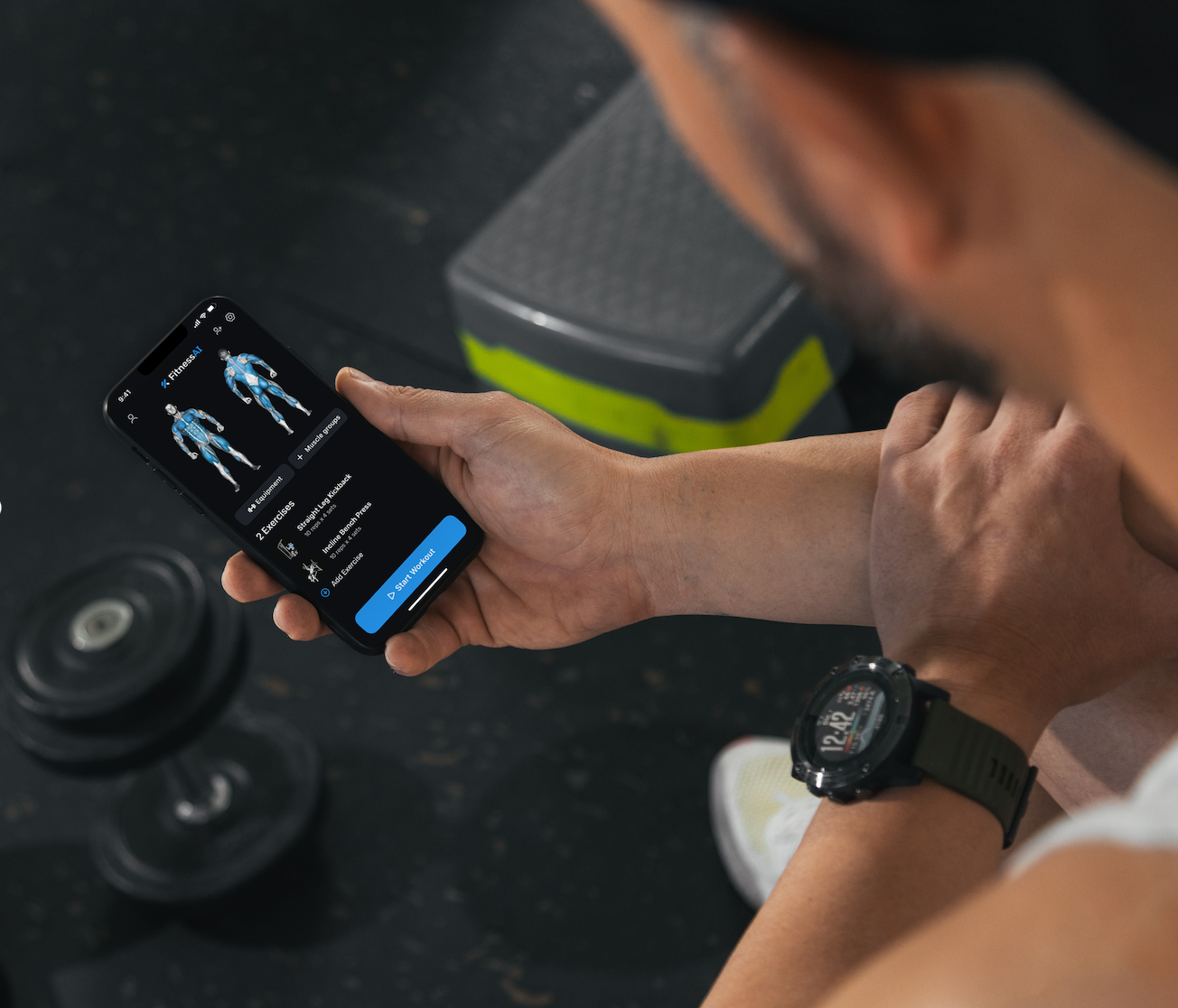
How to Fit This Into a Busy Week
Consistency beats intensity when time is limited. A realistic approach looks like this:
- 3 sessions per week: Full body dumbbell workouts like the one above
- Rest or light movement: Walking, stretching, or mobility work on off days
- One flexible day: A buffer day in case life gets in the way
Trying to plan every workout from scratch each week is often where motivation quietly runs out. Session length flexibility built into a structured plan means a scheduled 30-minute session can compress into 15 minutes on a rough day without throwing off the entire week's progress.
Frequently Asked Questions
Can I actually build muscle with just dumbbells? Yes. Dumbbells allow for progressive overload through added weight, reps, or tempo changes, all of which are proven drivers of muscle growth.
How heavy should my dumbbells be? Choose a weight where the last 2 reps of each set feel challenging but doable with good form. If form breaks down early, the weight is too heavy.
Is 30 minutes really enough? For most goals, yes. Total weekly volume and consistency matter more than session length, especially when the workout is structured with compound movements.
How often should I do this workout? Three times per week with rest or light activity in between is a sustainable starting point for most people.
What if I miss a few days? Missing days happens. The most effective response is simply resuming the plan rather than trying to make up for lost time all at once.
Final Thoughts
A busy schedule does not have to mean an inconsistent fitness routine. A well-structured 30-minute dumbbell workout, done consistently, can build real strength and keep progress moving in the right direction.
The hardest part is usually not the workout itself. It is the decision-making around it: what to do, how much weight to use, and when to adjust. That is exactly the kind of friction FitnessAI is built to remove, offering a plan that adapts to available time, equipment, and recovery so the only real decision left is picking up the dumbbells.
Download FitnessAI HERE!
Alyssa Gonzalez
