


Strong Is the New Skinny? How Women’s Fitness Goals Are Changing
For years, fitness advice aimed at women came down to one thing: getting smaller. Eat less. Do more cardio. Stay away from heavy weights.
That message is losing its grip.
More women are picking up barbells and dumbbells, and they’re measuring progress by what their bodies can do, not just what the scale says. The goal has shifted from shrinking to building: more strength, better body composition, more energy, and a body that holds up for decades.
“Strong is the new skinny” captures part of that. But the real change isn’t swapping one body ideal for another. It’s women deciding what they actually want from training.
Why More Women Are Choosing Strength Over Shrinking
The fitness industry spent decades selling exercise to women as a calorie burner. Cardio was the default. Heavy lifting was for bodybuilders.
That split never made physiological sense. Women benefit from resistance training for the same reasons men do: stronger muscles, healthier bones, and better function with age.
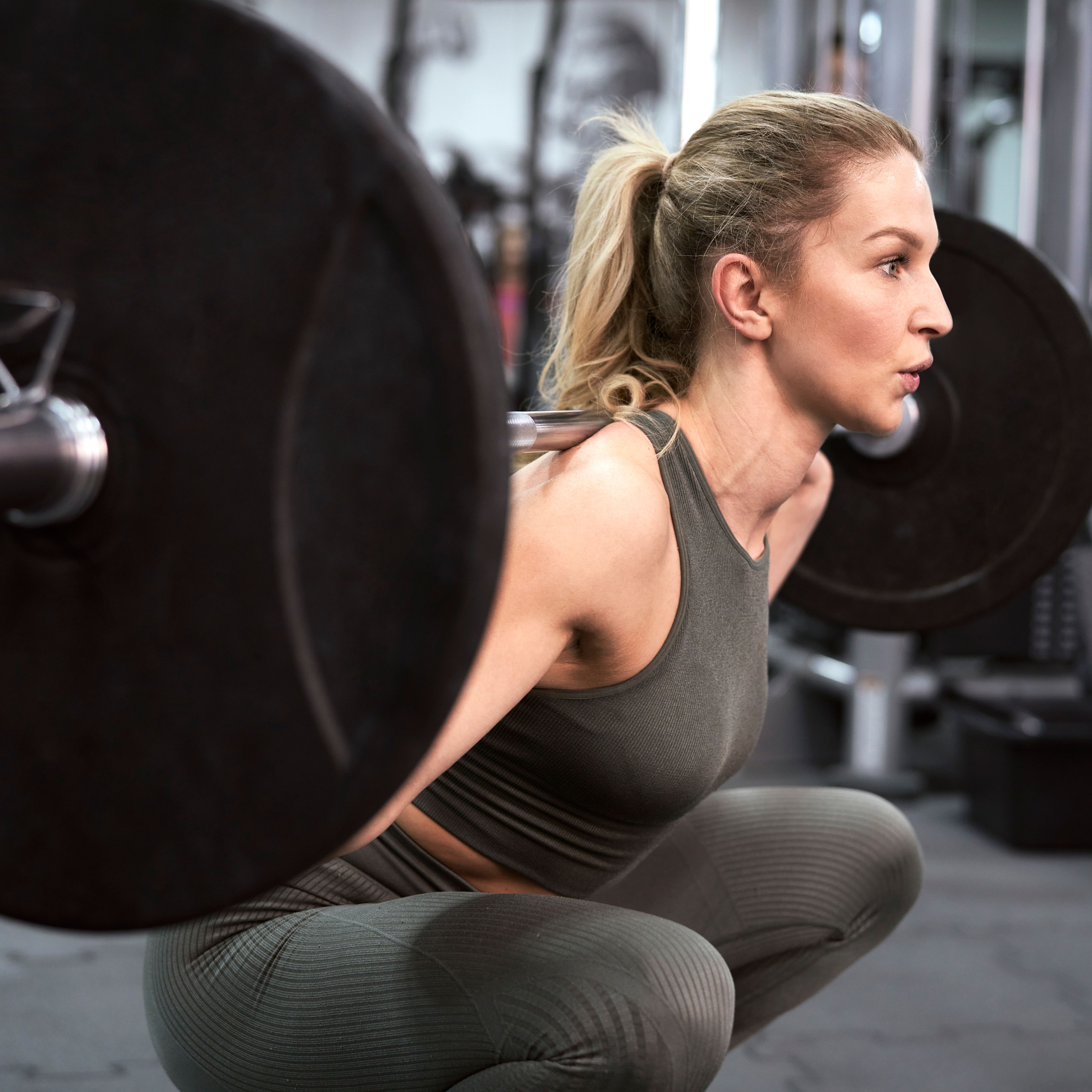
Today, more women are setting goals like:
- Building stronger legs, glutes, shoulders, and back
- Adding lean muscle to improve body composition
- Lifting more weight than they could a month ago
- Protecting bone density as they age
- Feeling more capable in daily life
These goals give women more ways to see progress. Five extra pounds on a lift counts. So does one more rep. So does carrying all the groceries in one trip.
Social media has helped, too. Seeing women squat, deadlift, and do pull-ups makes lifting feel less intimidating. The catch is that strength can turn into just another look to chase. The healthier shift is training for strength and health, whatever that looks like for each woman.
What Strength Training Actually Does for Women
It improves body composition. Muscle burns a bit more energy at rest, but the metabolism boost from a few pounds of muscle is often oversold. The bigger win is better body composition and more physical capability. Paired with good nutrition, resistance training also helps women hold on to muscle while losing fat. Losing weight and improving body composition aren’t the same thing.
It supports bone health. Women face a higher risk of osteoporosis with age, especially after menopause. Squats, lunges, and loaded carries put healthy stress on bones and encourage them to stay strong. Building that foundation earlier pays off later.
It makes everyday life easier. Stairs, luggage, kids, furniture. As muscles get stronger, these tasks take a smaller share of maximum effort.
It can boost mental well-being. Strength training has been linked to fewer depressive symptoms and greater confidence. Part of that comes from progress being concrete. A weight that felt heavy three weeks ago now feels manageable.
Will Lifting Heavy Make Women Bulky?
No. This is one of the most stubborn myths in women’s fitness.
Significant muscle growth takes consistent training, enough food, progressive overload, and a lot of time. Women generally have lower testosterone than men, which affects average muscle-building potential. Even so, women can make big relative gains in strength and size.
Both heavy and lighter weights can build muscle when sets are truly challenging. Heavier loads in the 3 to 6 rep range are best for maximal strength. Moderate loads around 6 to 12 reps are the classic muscle-building zone. Lighter loads of 12 to 20+ reps build endurance and can still grow muscle. These ranges overlap. What matters is enough effort and steady progress.
That’s where structure helps. Instead of guessing weights each session, FitnessAI uses past workout performance to recommend sets, reps, and weights for the next one. When her performance supports an increase, the plan moves forward. When she needs more time at a weight, it holds.
The point isn’t to go heavier every chance she gets. It’s progress at a pace she can sustain.
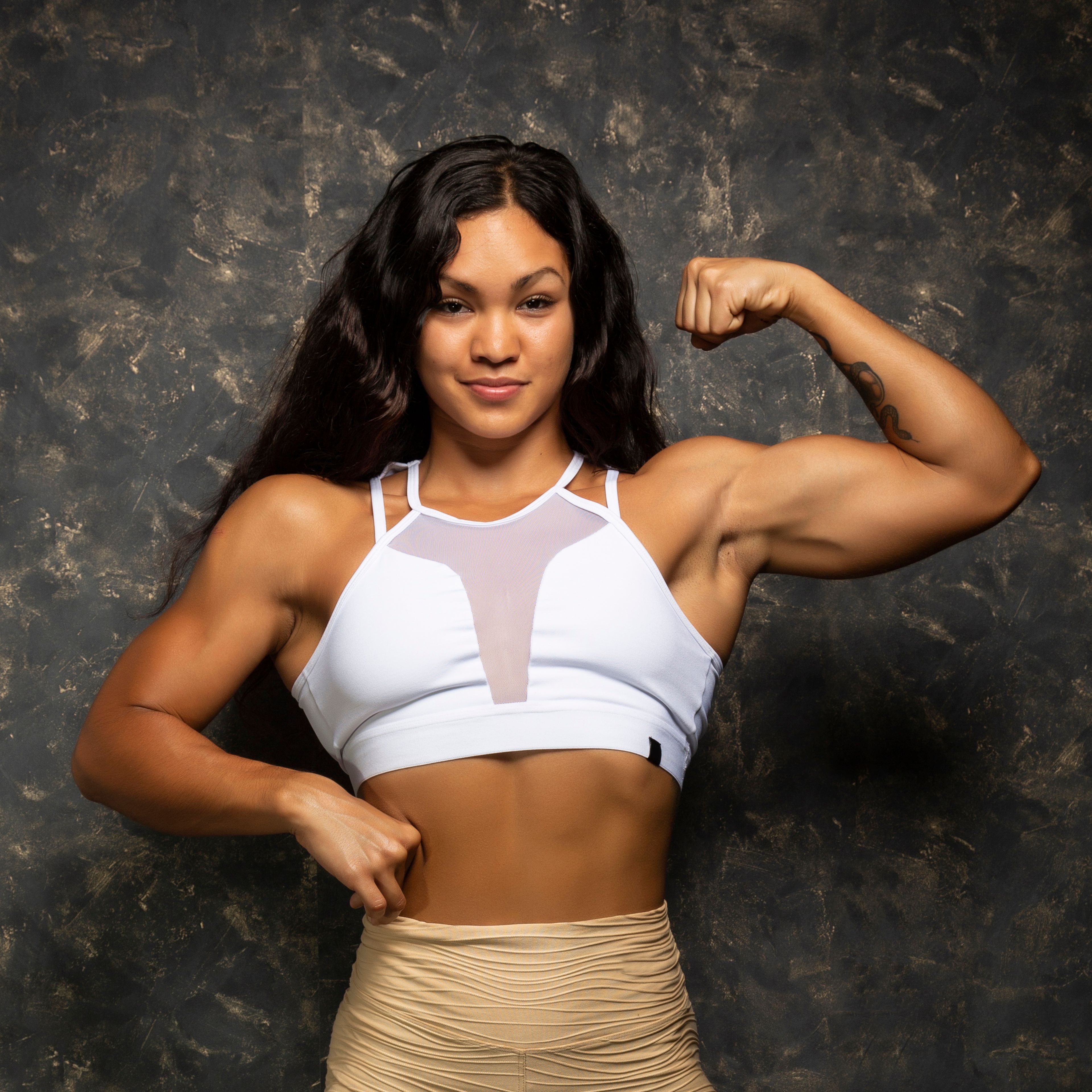
Strength Training vs. Cardio: Does She Have to Pick?
No. They do different jobs. Cardio builds aerobic fitness and supports heart health. Strength training builds and preserves muscle and supports bone health. Most women benefit from both.
For fat loss, the main driver is a consistent energy deficit. Cardio adds to the energy burned, while lifting helps keep muscle during the process. The best mix is the one she can repeat week after week.
The World Health Organization recommends 150 to 300 minutes of moderate aerobic activity per week (or 75 to 150 minutes of vigorous activity), plus muscle-strengthening work for major muscle groups at least two days a week.
In practice, that might look like three lifting days, regular walks, and whatever cardio she enjoys. If building muscle is the priority, she should protect her strength sessions and keep extra cardio from eating into recovery.
Building Muscle Without Living at the Gym
For most women, the real barrier isn’t interest. It’s time.
The good news is that two or three full-body strength sessions a week, about 30 minutes each, is a solid starting point for beginners. Walks, light cardio, and rest can fill the days in between. More experienced lifters may need more volume, and busier weeks can still work with fewer sessions.
Those workouts don’t need 12 exercises. A handful of movement patterns covers most of the body:
- Squat: goblet squats, leg presses, barbell squats
- Hip hinge: Romanian deadlifts, hip thrusts
- Push: chest presses, push-ups, shoulder presses
- Pull: rows, lat pulldowns, assisted pull-ups
- Single-leg: lunges, step-ups, split squats
Curls, lateral raises, and glute isolation work can be added as time allows.
Even 20 minutes can be productive with the right exercises. And instead of spending the first ten minutes deciding what to do, FitnessAI builds a workout around the time she has. Its 5 to 30 minute options adjust exercises, sets, and reps to fit the session.
A five-minute workout won’t match a full session, but it keeps the habit alive on a hectic day. Months of consistency beat one perfect workout.
Progressive Overload, Simplified
Progressive overload means gradually asking more of the body as it adapts. Do the same workout with the same weights forever, and the body runs out of reasons to change.
Say a woman starts with three sets of eight dumbbell chest presses using 15-pound dumbbells. After a few sessions, it feels easier. She might:
- Work up from eight reps to ten
- Add one rep to each set
- Move up to 17.5-pound dumbbells
- Tighten up her technique at the current weight
Not every session needs a bump. Sleep, stress, and fatigue all affect performance. The goal is gradual improvement, not a personal record every time.
The tricky part is remembering what she lifted last week. FitnessAI tracks performance automatically, and its progressive overload engine adjusts weights, reps, and sets based on that data. It also explains why recommendations change, so a heavier weight never feels random.
For women who want to get stronger without designing their own program, that removes a lot of decision-making. She focuses on the workout. The plan handles the next step.
Measuring Progress Beyond the Scale
The scale reflects muscle, fat, water, food, and normal hormonal swings all at once. It says nothing about strength.
Better markers of progress include:
- Strength: heavier weights or more reps
- Consistency: showing up for planned sessions more often
- Body composition: changes in muscle definition or measurements
- Performance: exercises feeling smoother and more controlled
- Energy and recovery: bouncing back well enough to keep going
A woman can stay about the same weight while gaining muscle and losing fat. The scale barely moves, but her body has clearly changed.
Because those changes happen slowly, they’re easy to miss day to day. FitnessAI’s BodyScan feature offers visual progress tracking over time, and paired with strength and workout history, it paints a fuller picture.
Still, appearance isn’t the only win. Getting stronger, moving better, and sticking with a routine all count, even when the mirror looks about the same.
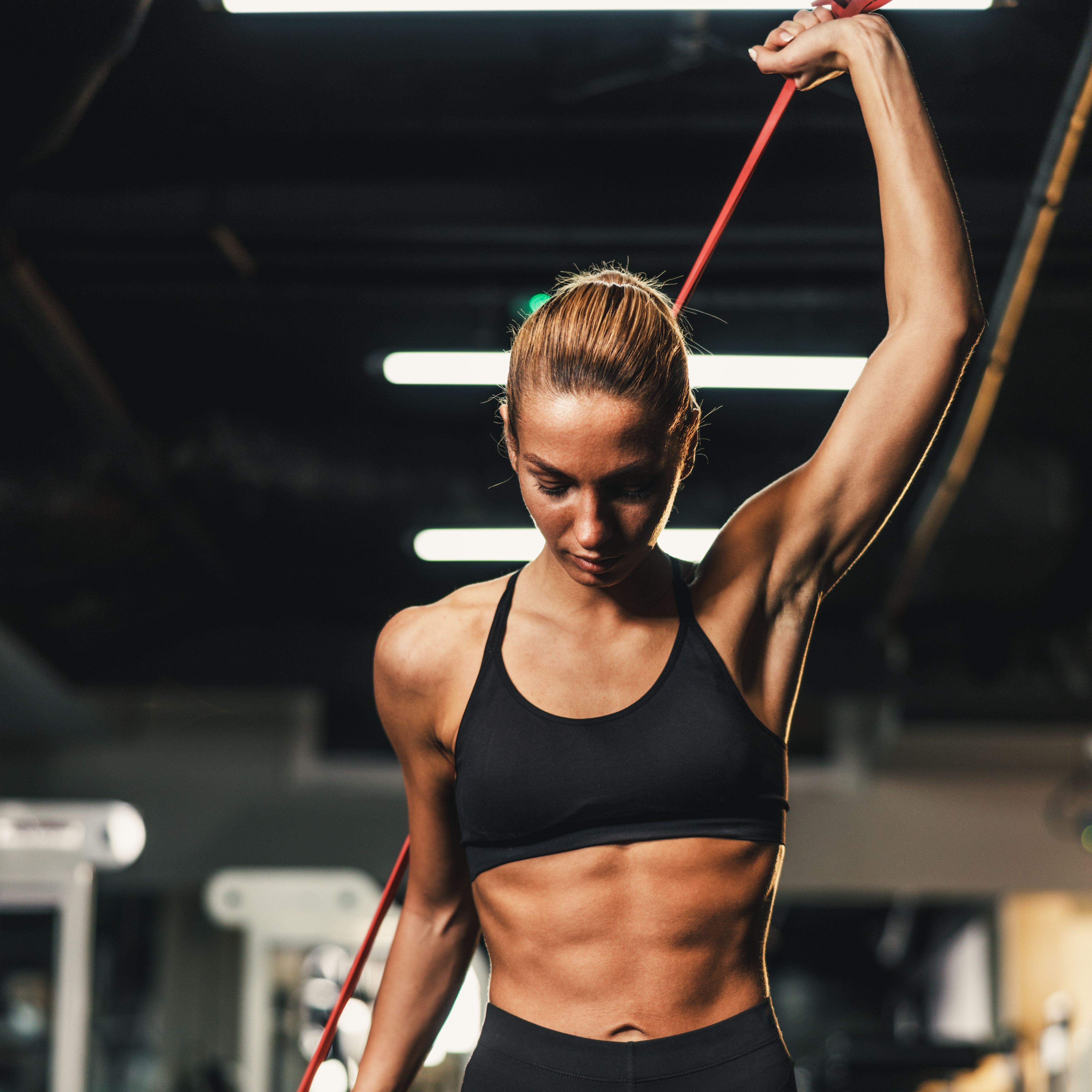
What the Data Says
This shift is bigger than a social media moment.
Strava’s 2024 Year in Sport report showed a 25% increase in the share of women uploading weight training activities. Its 2025 report found women were 21% more likely than men to record weight training. These numbers reflect Strava users rather than all women, but the direction is clear.
The American College of Sports Medicine also named traditional strength training one of its top ten worldwide fitness trends for 2026. And a meta-analysis of 126 studies involving 4,019 women found that resistance training improved strength and body composition in both premenopausal and postmenopausal women.
FitnessAI’s own research points the same way. In a February 2026 survey of 1,063 FitnessAI users, 54.5% chose building muscle as a goal, and 42.9% chose losing fat. Among those who answered why they downloaded the app, 44.3% said they were tired of guessing or creating their own workout plans.
That sample includes all genders, but the takeaway holds. People want results without having to become their own coach.
How Beginners Can Get Started
- Pick a realistic schedule. Two or three strength days that fit her actual week, not an ideal one that rarely happens.
- Learn the basics. Squat, hinge, push, and pull, using weights she can control. FitnessAI’s guided exercise videos let her review each movement before trying it.
- Track sets, reps, and weights. There’s no need to memorize numbers when an app keeps the record.
- Progress gradually. Add reps or weight once technique is consistent. Hold steady or back off when recovery slips.
- Adapt when life changes. Travel, late nights, or a different gym shouldn’t derail everything. FitnessAI adjusts workouts to available equipment, from a full gym to a minimal home setup, and its recovery-aware adjustments account for fatigue and recent performance.
FAQs About Women’s Strength Training
Is strength training good for women who want to lose weight?
Yes. It helps preserve muscle during weight loss and improves body composition. Pairing it with smart nutrition and some cardio works best.
How many days a week should women lift weights?
Two or three days is a practical start for most beginners. The WHO recommends muscle-strengthening activity on at least two days a week.
Can women build muscle after 30?
Absolutely. Women can build muscle and strength throughout adulthood. Recovery and results vary, but 30 isn’t a cutoff.
Do women need different strength programs than men?
Not necessarily. Progressive overload, smart training volume, recovery, and consistency apply to everyone. A good program fits individual goals, experience, and health, not gender alone.
What’s the best workout app for women who want to build muscle?
One that offers structured workouts, tracks performance, adjusts weights and reps over time, and works with her equipment and schedule. FitnessAI is one option for women who want a personalized strength plan without calculating their own progression.
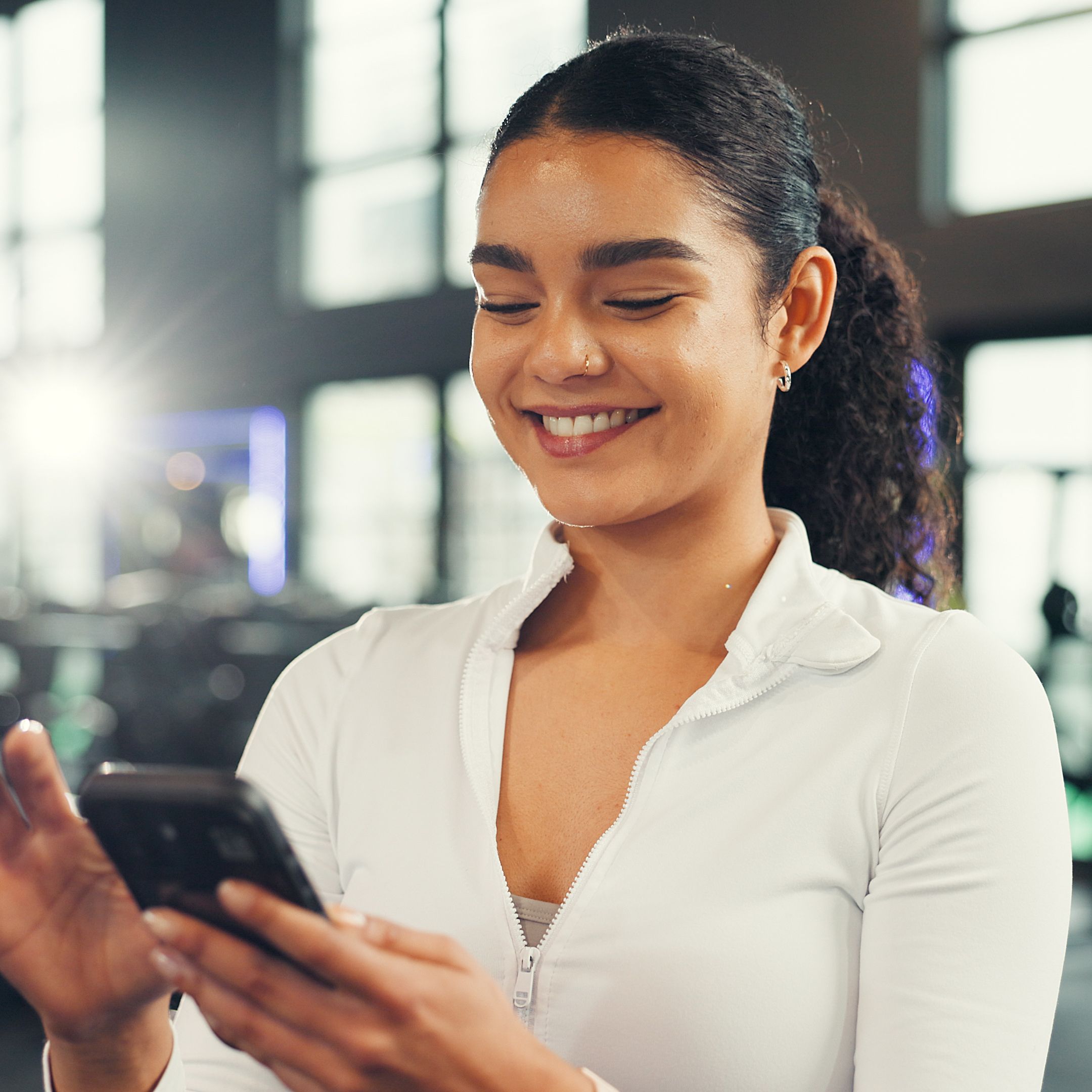
The Bottom Line
Strong isn’t a body type. It’s what a body can do.
Some women want to build muscle. Others want to lose fat, improve their health, or just feel more capable in everyday life. Those goals don’t have to compete. What matters is a plan that supports them and shows real, measurable progress.
With FitnessAI, workouts are built around her goals, schedule, equipment, and past performance. Weights, reps, and sets adjust as she improves, so she spends less time planning and more time training.
She shows up. FitnessAI handles the plan.
Explore FitnessAI and start building strength with a plan that adapts.
Alyssa Gonzalez
