


The Problem With Fitness Influencers (and What They Get Wrong)
Copying a fitness influencer's workout feels like a shortcut. Usually, it isn't one.
Here's the thing about most fitness influencers: they're not wrong, exactly. They're just doing something different than what most people think. They're creating content, not building training programs.
A workout that racks up millions of views isn't necessarily the workout that helps someone build muscle, lose fat, or get stronger. Those are two very different goals, one is made for a feed, the other is made for a body.
For most people, the real obstacle isn't motivation. It's structure. That's a big part of why more people are stepping away from random, trend-chasing workouts and toward personalized strength training that takes the guesswork out of the equation.
Why Fitness Influencers Are Everywhere
There's no denying the impact influencers have had on how people learn about exercise. They've made strength training feel more approachable, introduced new movements, and helped a lot of people feel less intimidated walking into a gym for the first time.
That part is genuinely good.
The trouble starts when entertainment gets mistaken for programming. A 45-second Reel simply can't account for someone's experience level, how well they've recovered, what equipment they have access to, what they lifted last week, or whether they're actually progressing over time.
Those details are what determine real results, not whether an exercise happens to be trending this week.
The Biggest Mistake: Chasing Viral Workouts Instead of Progressive Overload
Primary keyword: progressive overload
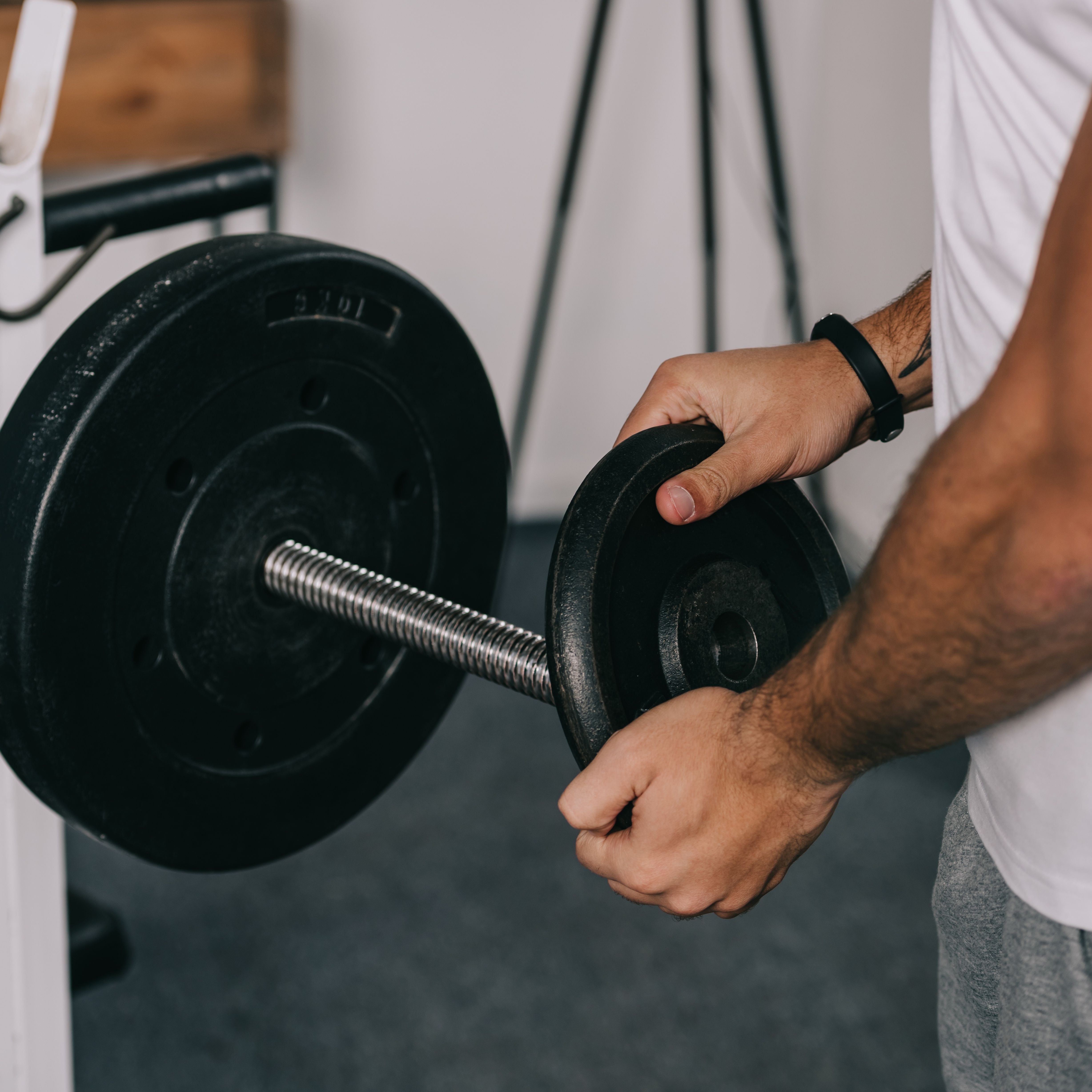
If there's one principle that reliably builds muscle, it's progressive overload, gradually asking the muscles to do a little more over time, whether that's through more weight, more reps, more sets, or better training quality. That's how the body adapts and grows.
Unfortunately, most influencer content pulls in the opposite direction.
One week, it's "try this crazy shoulder finisher." The next, it's "the only leg workout you'll ever need." Then it's "five exercises you've been doing wrong all along."
None of it connects. It's a constant reset button.
Why This Slows Progress
Muscles don't care whether a movement is trending. They respond to consistent training stress, plain and simple.
When workouts change every week because the algorithm changed every week, it becomes almost impossible to tell whether someone is actually getting stronger. That's why structured training beats random variety pretty much every time.
This is the whole idea behind FitnessAI. Rather than swapping in a new workout because it's popular, the app adjusts sets, reps, and weights based on how someone actually performed last time, so progress keeps building instead of restarting. The goal isn't novelty. It's measurable improvement through progressive overload.
Social Media Rewards Attention. The Body Rewards Something Else Entirely
Creators get rewarded for new exercises, extreme transformations, bold opinions, quick hacks, and controversial takes.
The body gets rewarded for something far less exciting: showing up consistently, following a plan, recovering well, and progressing gradually.
None of that goes viral. But it's exactly what works.
"This Workout Changed My Life" Rarely Tells the Whole Story
No single workout changed anyone's physique. Months or years of consistent training did that.
When an influencer says, "here's the workout that built my back," what usually goes unmentioned is years of prior training, nutrition habits, sleep quality, genetics, and recovery. Copying one workout off the back of that story is a bit like reading a single page of a novel and expecting to understand the whole plot.
The Problem With Copying Someone Else's Program
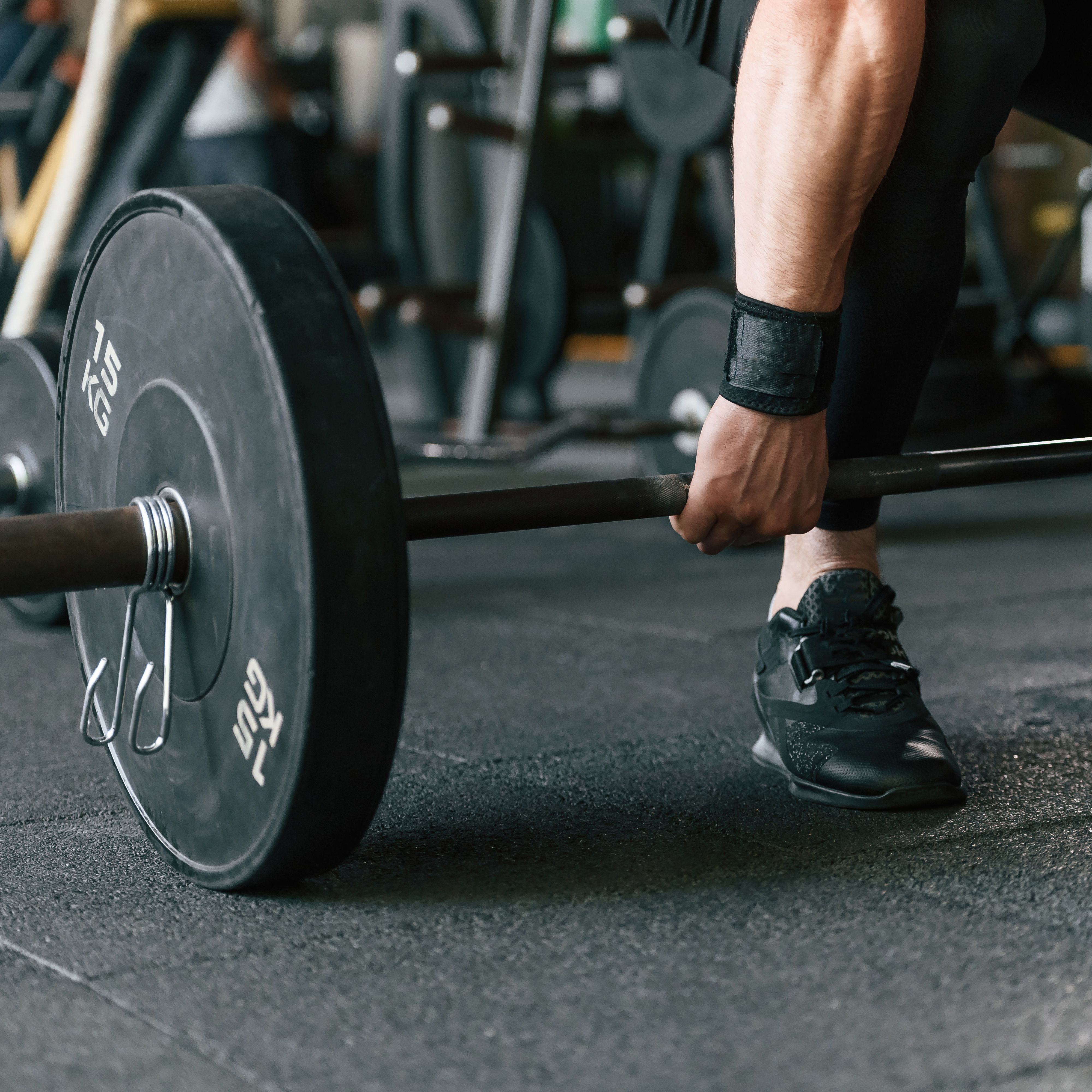
One of the most common misconceptions in fitness is the idea that the best workout is whatever someone else happens to be doing.
In reality, the best workout is the one built around the individual using it. The questions that actually matter look more like: How many days can this person realistically train? What equipment do they have? Are they trying to build muscle or lose fat? How well are they recovering? What did they train recently?
An influencer can't answer those questions for a following of hundreds of thousands. A personalized plan can.
That's the starting point for FitnessAI, goals, schedule, experience level, and available equipment all factor into the workouts it builds, so people aren't stuck trying to fit themselves into someone else's routine. It also adapts automatically when someone's traveling, training at home, or working with different equipment than usual.
More Information Doesn't Always Lead to Better Decisions
Most people don't need another workout idea. They need fewer decisions to make.
Every day, social media serves up 20 new exercises, ten conflicting opinions, five "science-backed" videos, and an even split of people arguing machines versus free weights. Eventually, it gets hard to know what to trust. That's decision fatigue, and it's real.
Interestingly, FitnessAI's own user survey found that the most common reason people downloaded the app wasn't motivation, it was being tired of guessing what to do at the gym. Hundreds of users specifically said they just wanted to show up and follow the workout in front of them.
That's a much simpler way to train: open the app, lift what it says, go home.
Why Transparency Matters More Than "AI Magic"
Some workout apps just change a person's training without any explanation, which tends to create the same uncertainty people already feel from social media.
Good coaching explains the "why" behind a change. Something like: the weight went up because every rep got completed last week. Volume dropped because recovery data suggested it was needed. The exercise swapped because the available equipment changed.
Those explanations build trust. FitnessAI is built to show people why their workouts are evolving rather than asking them to blindly trust an algorithm, that transparency cuts down on second-guessing while keeping training moving in the right direction.
.png)
The Best Strength Training Program Isn't the Most Exciting One
This tends to surprise people: the programs that produce the best long-term results usually look pretty ordinary.
Exercises repeat. Weight goes up slowly. Technique improves. Some weeks are easier than others on purpose. It isn't flashy. It works.
Strength training has a lot in common with investing, small improvements compound. One extra rep today becomes five extra pounds next month. Those small gains eventually add up to changes that look sudden to everyone else, even though they weren't.
What Should People Follow Instead?
For anyone focused on building muscle, getting stronger, or losing fat while holding onto muscle, a few fundamentals matter more than anything trending online.
1. Stick With One Program Long Enough
Switching plans every week doesn't give the body time to adapt. Sticking with a program long enough is what makes adaptation possible in the first place.
2. Prioritize Progressive Overload
Tracking lifts and aiming for gradual improvement beats chasing novelty every time.
3. Treat Recovery Like It Matters, Because It Does
Muscle grows outside the gym, not inside it. Sleep and recovery aren't optional extras. FitnessAI adjusts training volume based on recovery and recent performance, which helps keep people progressing without simply piling on more work every session.
4. Cut Out Unnecessary Decisions
Consistency gets a lot easier when the next workout is already planned. This is one of the most common reasons FitnessAI users say they stick with the app, it removes the planning, remembers previous lifts, suggests progressive increases, and recommends equipment-based substitutions automatically. Those features consistently rank among the platform's most valued.
So, Are Fitness Influencers Actually Bad?
Not even close.
They're genuinely useful for learning technique, discovering new ideas, staying inspired, and building confidence. They're just not a substitute for structured programming.
Watching the content, soaking up the motivation, and picking up something new along the way is all fine, as long as people head back to their own plan afterward. Results don't come from doing every workout that shows up in a feed. They come from following one that's actually designed to help that specific person improve.
Final Thoughts
Fitness influencers are great at introducing people to strength training. They're not built to guide anyone's progress over the next six months.
That's where structure comes in. A good training plan evolves as someone gets stronger, explains why changes happen, adapts to their schedule, and removes the daily question of "what should I lift today?"
That's exactly what FitnessAI was built to do. People show up. It handles the plan. Progress should be predictable, not a guessing game.

Frequently Asked Questions
Are fitness influencers qualified to give workout advice?
Some are certified coaches with years of experience, while others are simply documenting their own fitness journey. It's worth evaluating advice based on evidence, not follower count.
Is copying an influencer's workout a good way to build muscle?
It can work for a little while, but long-term muscle growth usually comes down to following a structured program that uses progressive overload and adapts to individual progress over time.
What is the best strength training app for someone who doesn't know what to lift?
Look for an app that builds personalized workouts, tracks progressive overload, adjusts based on performance, and explains why the program changes over time.
Why do plateaus happen even with consistent workouts?
Plateaus tend to show up when workouts become random, progression isn't tracked, recovery gets ignored, or training demands stop gradually increasing.
Do AI workout apps actually work?
They can be highly effective when they're built around proven strength training principles, progressive overload, personalization, recovery-aware adjustments, and transparent progression, rather than just generating random workouts.
Download FitnessAI HERE!
Alyssa Gonzalez
