


The Mind–Muscle Connection: Science or Gym Bro Myth?
Spend enough time in any gym and it's only a matter of time before someone says it:
"Focus on the squeeze.""Feel the muscle working.""Mind–muscle connection is everything."
To some people, it sounds like legitimate training advice. To others, it sounds like bro science dressed up in technical language.
So what's the actual truth?
The mind–muscle connection is real. But it gets misunderstood, overhyped, and misapplied more often than not. And for anyone who's busy, trying to get results without overthinking every single rep, there's a smarter way to apply it, without letting it slow things down.
Here's the breakdown.
What Is the Mind–Muscle Connection?
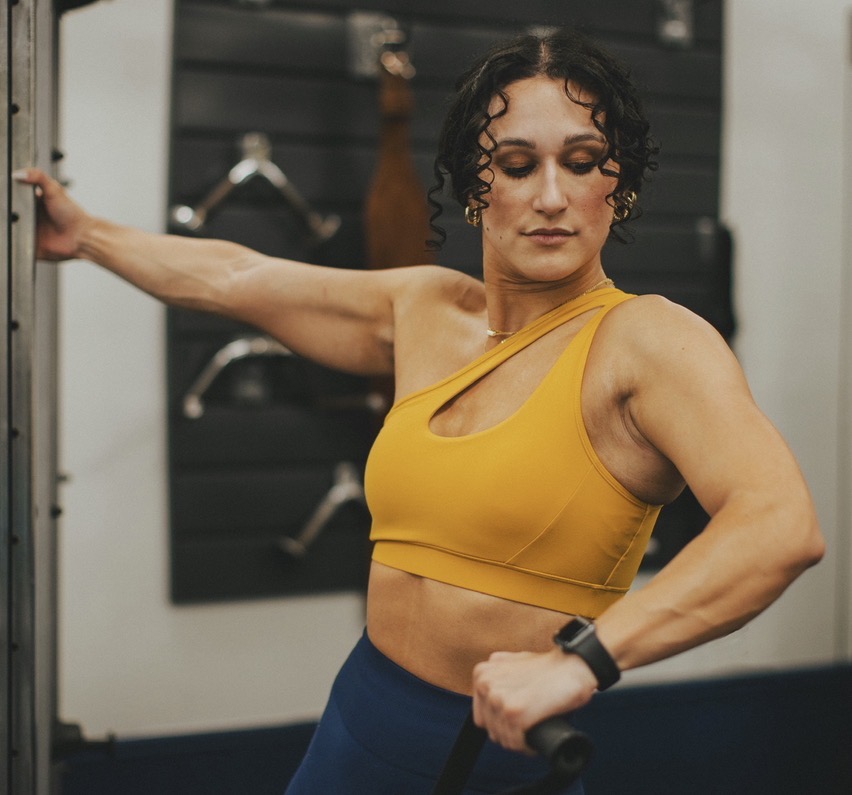
The mind–muscle connection is the ability to consciously focus on and activate a specific muscle during an exercise.
In plain terms, it means:
- Not just moving weight from point A to point B
- Intentionally engaging the muscle that's supposed to be working
- Actually being aware of how it feels throughout the movement
This ties into something called neuromuscular activation, the way the brain communicates with the muscles to coordinate movement.
Is It Backed by Science?
Short answer: yes, but context matters.
Research shows that focusing on a specific muscle during exercise can increase its activation, particularly at lighter to moderate loads.
What the studies suggest:
- Internal focus can boost activation in muscles like the chest, biceps, and glutes
- It works better in isolation movements than in heavy compound lifts
- Beginners often struggle to apply it effectively right away
Where things get misunderstood:
- It doesn't replace progressive overload
- It's not a reason to stay light forever
- It isn't required for strength gains
So no, it's not a myth. But it's not magic either.
When the Mind–Muscle Connection Actually Helps
This is where it gets practical.
1. Fixing weak or lagging muscle groups
If the quads take over every leg session, the glutes might never get the stimulus they need to grow. Slowing down and deliberately targeting the right muscle can start to rebalance things.
2. Improving exercise form
If someone can't feel their back during rows or their chest during presses, that's usually a sign something in the form needs adjusting. Developing that awareness makes it easier to self-correct.
3. Maximizing hypertrophy in isolation work
Exercises like:
- Bicep curls
- Lateral raises
- Leg extensions
These respond especially well to intentional muscle focus.
When It Doesn't Matter As Much
This is where a lot of people get tripped up.
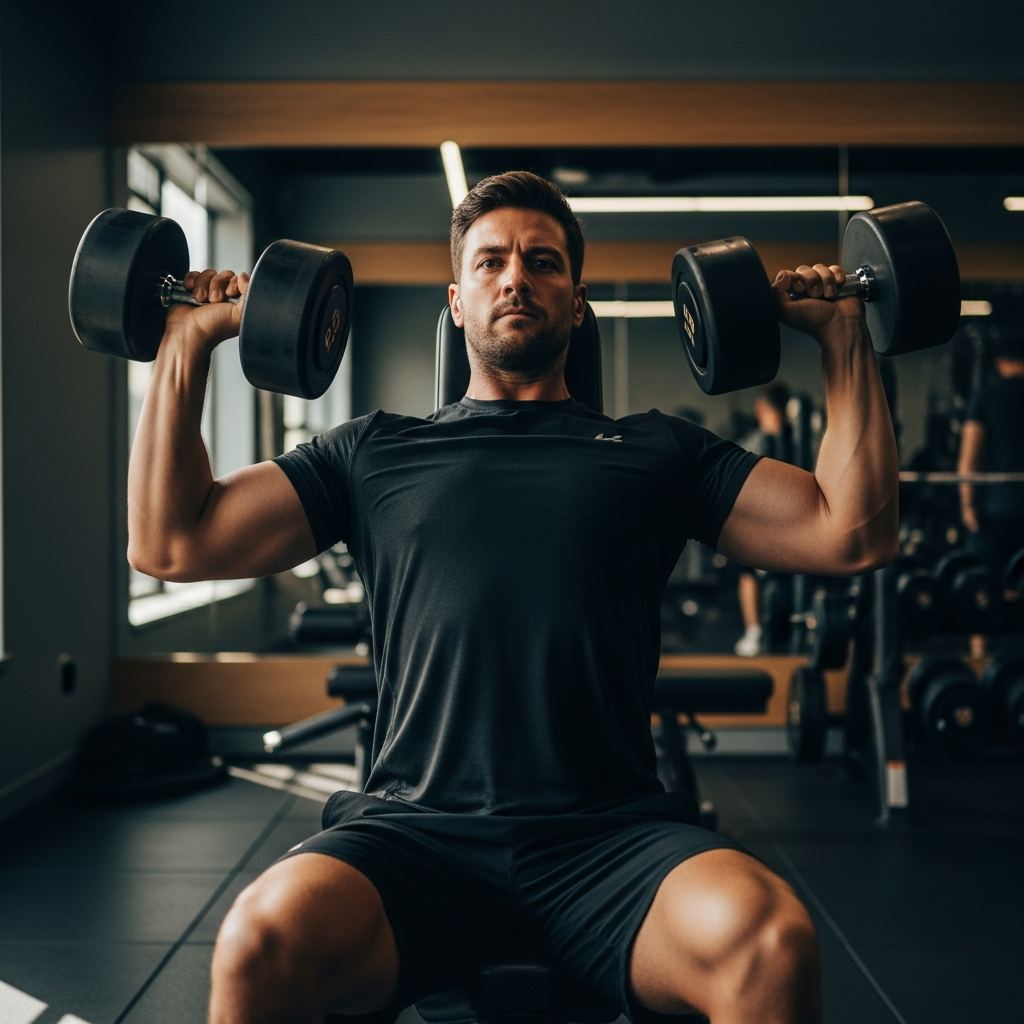
Trying to feel the muscle during a heavy squat or deadlift? That's overthinking it.
For big compound lifts, the priority is moving efficiently and safely. Strength and progression take the front seat, not sensation.
And this is exactly where a lot of people lose momentum. They chase a feeling instead of following a plan.
The Real Problem: Most People Don't Know When to Focus
This is the gap.
Lifters get told to:
- Go heavier
- Lock in their form
- Feel the muscle
- Progress week over week
But no one explains when each of those things actually matters most.
That confusion leads to:
- Decision fatigue inside the gym
- Plateaus despite consistent effort
- Too much time spent second-guessing workouts
That's why having a system in place matters more than motivation ever will.
Where FitnessAI Fits In Without Overcomplicating Things
Instead of manually juggling all of these variables, tools like FitnessAI handle the decision-making, not by replacing the effort, but by directing it.
.png)
1. Progressive overload without guesswork
FitnessAI analyzes past performance and adjusts sets, reps, and weight automatically.
So instead of wondering, "Should I go heavier or focus on form today?" The plan already accounts for both. Heavy days push strength. Lighter days allow better control and muscle focus. The mind–muscle connection gets applied naturally, right where it actually matters.
2. Smarter exercise selection
Some sessions call for heavy compound work. Others call for controlled isolation movements. FitnessAI rotates exercises based on progress and available equipment, so lifters aren't stuck doing movements they can't feel, or skipping the ones that actually drive growth. It balances intensity and control in a way that's genuinely hard to manage manually.
.png)
3. Recovery-aware training
Trying to chase mind–muscle focus when the body is running on empty is pointless. FitnessAI adjusts training based on fatigue and performance trends. When the body needs more recovery or slightly reduced intensity, the workouts reflect that, which means better quality reps, and better conditions for the mind–muscle connection to actually show up.
4. Visual progress tracking
One of the biggest issues with something like the mind–muscle connection is that it's completely subjective.
FitnessAI provides objective data on strength progression and clear trends over time, so the measure of progress isn't "I think I felt my chest more today." It's actual numbers, moving in the right direction.
How to Apply the Mind–Muscle Connection Without Overthinking
A simple rule of thumb:
Use it here:
- Isolation exercises
- Warm-up sets
- Lagging muscle groups
Don't obsess over it here:
- Heavy compound lifts
- Strength-focused sets
- Time-constrained workouts
A practical approach:
- Control the tempo on lighter sets
- Focus on the stretch and contraction
- Let heavier sets be about performance
When a program already balances these elements well, there's no need to micromanage every rep.
The Bigger Picture Most People Miss
The mind–muscle connection is a tool. Not a strategy.
The real drivers of results are:
- Consistency
- Progressive overload
- Recovery
- Smart programming
Managing all of that manually is genuinely difficult, especially for anyone with a full schedule. That's why so many people cycle between overthinking their workouts, following random routines, and hitting the same plateau over and over.
A system that adapts removes that friction.
Final Thoughts
So, is the mind–muscle connection a myth?
No.
But it's not the main driver of results either.
It works best when it's applied intentionally, used in the right context, and backed by a structured plan.
For anyone trying to get stronger, build muscle, and stay consistent without spending hours figuring out their own programming, the goal isn't to think more. It's to stop thinking about the wrong things.
FitnessAI handles the programming, progression, and adjustments in the background, so the focus can stay where it belongs: showing up and putting in the work.
And when the structure is right, even something as subtle as the mind–muscle connection starts working in your favor, without having to force it.
Download FitnessAI HERE!
Alyssa Gonzalez
