


Strength Training Hormones 101: Testosterone, Growth Hormone & You
For anyone who has ever wondered why some workouts feel incredibly effective while others fall completely flat, the answer often comes down to hormones.
Strength training is not just about lifting heavier weights., it's about triggering the right internal response. Testosterone and growth hormone play a major role in how the body builds muscle, burns fat, and recovers from hard training sessions. The good news is that perfect genetics or unlimited time aren't required to make this work. What matters is understanding how training influences these hormones and applying that knowledge consistently.
Why Hormones Matter in Strength Training
When someone lifts weights, the body responds by releasing anabolic hormones, the internal signals that tell it to build muscle tissue, repair damage from training, increase strength over time, and improve fat metabolism. The two most important players in this process are testosterone and human growth hormone (HGH).
These hormones can't be directly controlled, but training style, intensity, and consistency all heavily influence them. This is exactly where many people run into trouble. They train hard, but not always in a way that maximizes results.
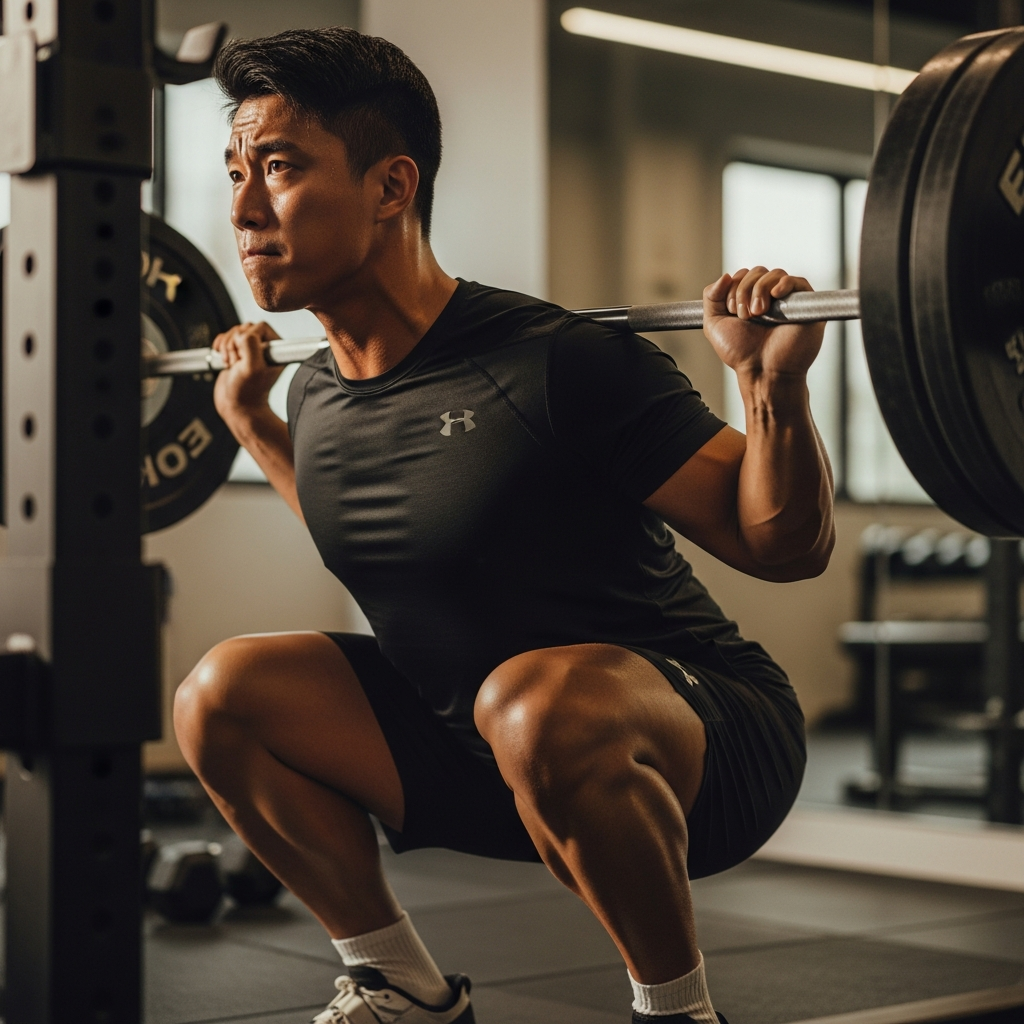
Testosterone: The Strength and Muscle Driver
What testosterone does
Testosterone is the primary hormone responsible for muscle growth through protein synthesis, strength gains, energy and motivation, and fat loss support. Both men and women produce it, just in very different amounts.
How strength training boosts testosterone
Research and real-world coaching consistently point to the same triggers: compound lifts like squats, deadlifts, and presses performed at moderate to heavy weights, with short rest periods and high training intensity. But random workouts don't reliably produce these benefits. What the body actually needs is progressive overload, gradually increasing weight, reps, or intensity over time.
Where people get stuck
A lot of lifters plateau because they repeat the same weights week after week, don't track their performance, and end up guessing at what they should do next. This is where tools like FitnessAI quietly solve a real problem. Rather than leaving lifters to guess what weight to use, the app analyzes past workouts and adjusts the next session automatically, keeping training in the range that stimulates testosterone without burning people out. Less time thinking, more time training effectively.

Growth Hormone: The Recovery and Fat Loss Factor
What growth hormone does
Human growth hormone plays a significant role in muscle repair and recovery, fat metabolism, tissue regeneration, and sleep quality. It's especially important for anyone balancing workouts with a demanding schedule.
How to naturally increase growth hormone
Growth hormone responds well to high-intensity resistance training, short rest intervals, training close to failure, and consistent sleep. As with testosterone, consistency matters more than any single standout workout.
The recovery balance most people miss
More training is not always better. When someone pushes too hard without proper recovery, hormone levels can actually drop instead of improve. This is one of the most common pitfalls for busy adults, they either overtrain and feel exhausted, or under train because they're unsure what's actually enough.
FitnessAI helps with this in a subtle but meaningful way. It adjusts workout difficulty based on performance trends, scaling things back when fatigue is creeping in, and pushing forward when progress is solid. That kind of auto-regulation supports growth hormone production by keeping training in the optimal zone.
The Sweet Spot: Training for Both Hormones
The best strength programs don't zero in on just one hormone. They create conditions where both testosterone and growth hormone can thrive. In practice, that looks something like three to five strength sessions per week, built around compound lifts as the foundation, using moderate to heavy loads with controlled rest periods and progressive overload built in over time.
Simple in theory. Execution is where things tend to fall apart.
Decision fatigue is real. After a long day, figuring out the right sets, reps, and weights is the last thing most people want to think about. That's when having a system matters far more than motivation.
How AI Can Optimize Hormonal Response Without Overthinking
Most people don't need more information, they need better execution. FitnessAI works well in this context because it removes the guesswork from progressive overload. Instead of wondering what weight to lift, whether enough is being done to build muscle, or why progress has stalled, a lifter simply follows a plan that adapts to them.
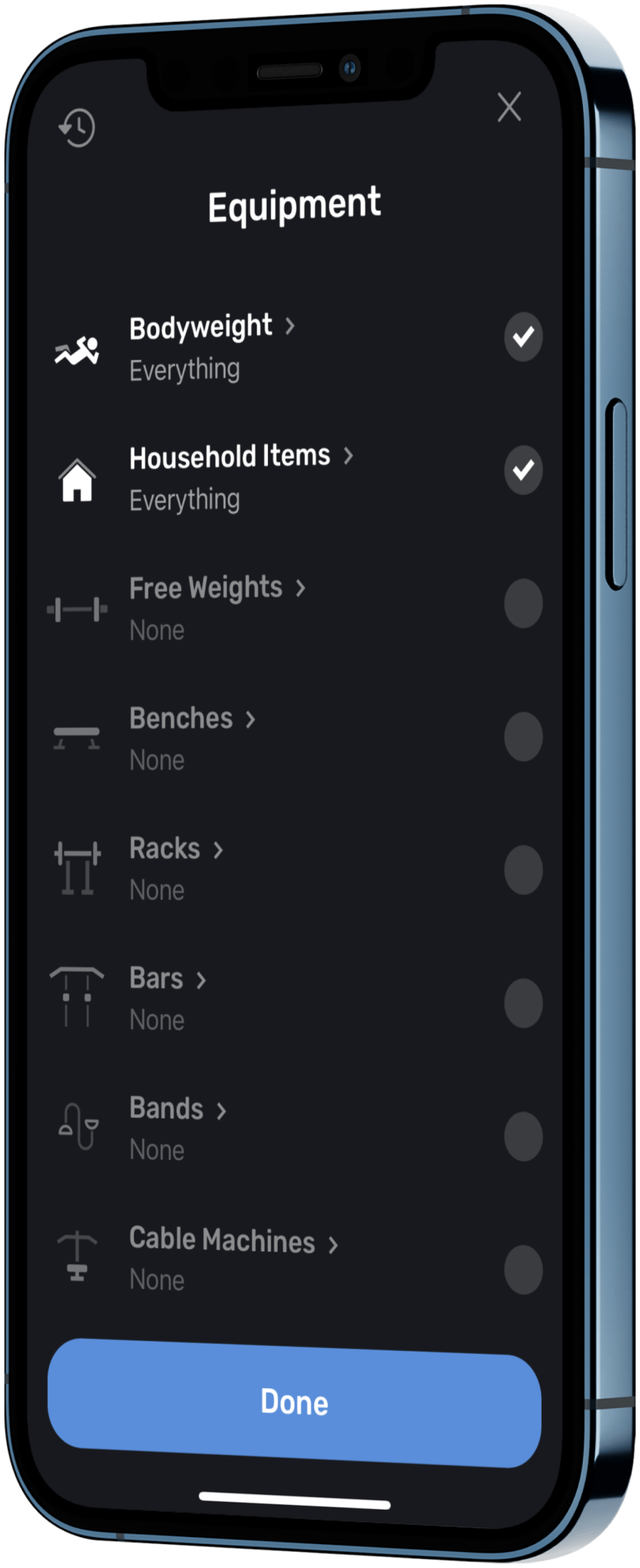
Someone opens the app, sees their exact weights, reps, and sets, and those numbers adjust automatically based on previous performance, working with whatever equipment is available. Over time, this creates a consistent training stimulus. And consistent stimulus is what drives hormonal adaptation. Not one perfect workout, but hundreds of well-calibrated ones.
.png)
Common Mistakes That Hurt Hormone Optimization
Even with good intentions, certain habits limit progress:
Lifting without progression. Doing the same workout repeatedly leads to stagnation.
Training too light. If every session feels easy, testosterone isn't being effectively stimulated.
Ignoring recovery. Poor sleep and constant fatigue reduce growth hormone output significantly.
Overcomplicating the program. Complex plans often lead to inconsistency, which is worse than a simple plan done well.
Not tracking performance. Without data, there's no way to improve systematically.
This is why structured, adaptive systems consistently outperform random routines over the long haul.
A Simple Weekly Framework
For those looking for a solid starting point:
- Day 1: Upper body strength
- Day 2: Lower body strength
- Day 3: Rest or light activity
- Day 4: Full body or push focus
- Day 5: Pull and accessory work
- Day 6: Optional short session
- Day 7: Rest
The focus should be on gradually increasing weights, keeping rest periods controlled, and training close to failure on key sets. For anyone who finds that structure overwhelming to manage on their own, FitnessAI builds and adjusts it automatically, so consistency doesn't require constant planning.
The Bottom Line
Hormones like testosterone and growth hormone don't need to be micromanaged. They respond to how a person trains. When workouts are progressive, consistent, and challenging but still recoverable, the body handles the rest.
The real challenge is staying in that zone week after week, month after month. That's where having a reliable system makes all the difference. FitnessAI fits naturally into that role, helping lifters train at the right intensity, progress over time, and avoid the common pitfalls that stall results. Not by adding complexity, but by removing it.
A Practical Next Step
For anyone looking to improve strength, build muscle, and support the body's natural hormone response, consistency is the place to start. Tracking workouts, pushing slightly harder each week, and paying attention to recovery will go a long way.
For those who'd rather skip the trial and error, using a system that already does that thinking for them is a smart shortcut. FitnessAI is one way to make sure every workout actually moves things forward, even on the busiest days.
Download FitnessAI today!
Alyssa Gonzalez
