


Do You Really Need to Lift Heavy to Build Muscle? What the Science Says
Walk into any gym and someone will tell you the same thing: if you want to build muscle, you have to lift heavy.
The research tells a more flexible story.
Muscle can grow across a surprisingly wide range of loads, as long as your sets are hard enough and you train consistently. Heavier weights do have a clear edge for maximal strength. But for muscle growth, low reps and big plates are only one option.
That's worth knowing, especially if every workout has quietly turned into an unofficial powerlifting meet.
Do You Have to Lift Heavy to Build Muscle?
No.
Studies comparing heavier and lighter resistance training generally find similar muscle growth across loading ranges. A large systematic review and meta-analysis found comparable hypertrophy with loads above and below 60% of one-rep max, though heavier training produced bigger gains in maximal strength.
A network meta-analysis covering 119 studies and more than 3,300 participants in its hypertrophy analysis landed in the same place. Every resistance training prescription studied built muscle. Higher loads only stood out clearly for strength.
The short version:
- Building muscle? You have real flexibility in how heavy you go.
- Maximizing your one-rep max? Heavier lifting matters more.
- Want both? A good program can use several rep and loading ranges.
Most people chasing a more muscular look and steady progress don't need to turn every exercise into a five-rep grind.
What Actually Makes a Muscle Grow?
Hypertrophy happens when training gives your muscles enough of a reason to adapt. The weight on the bar is part of that. It isn't the whole picture.
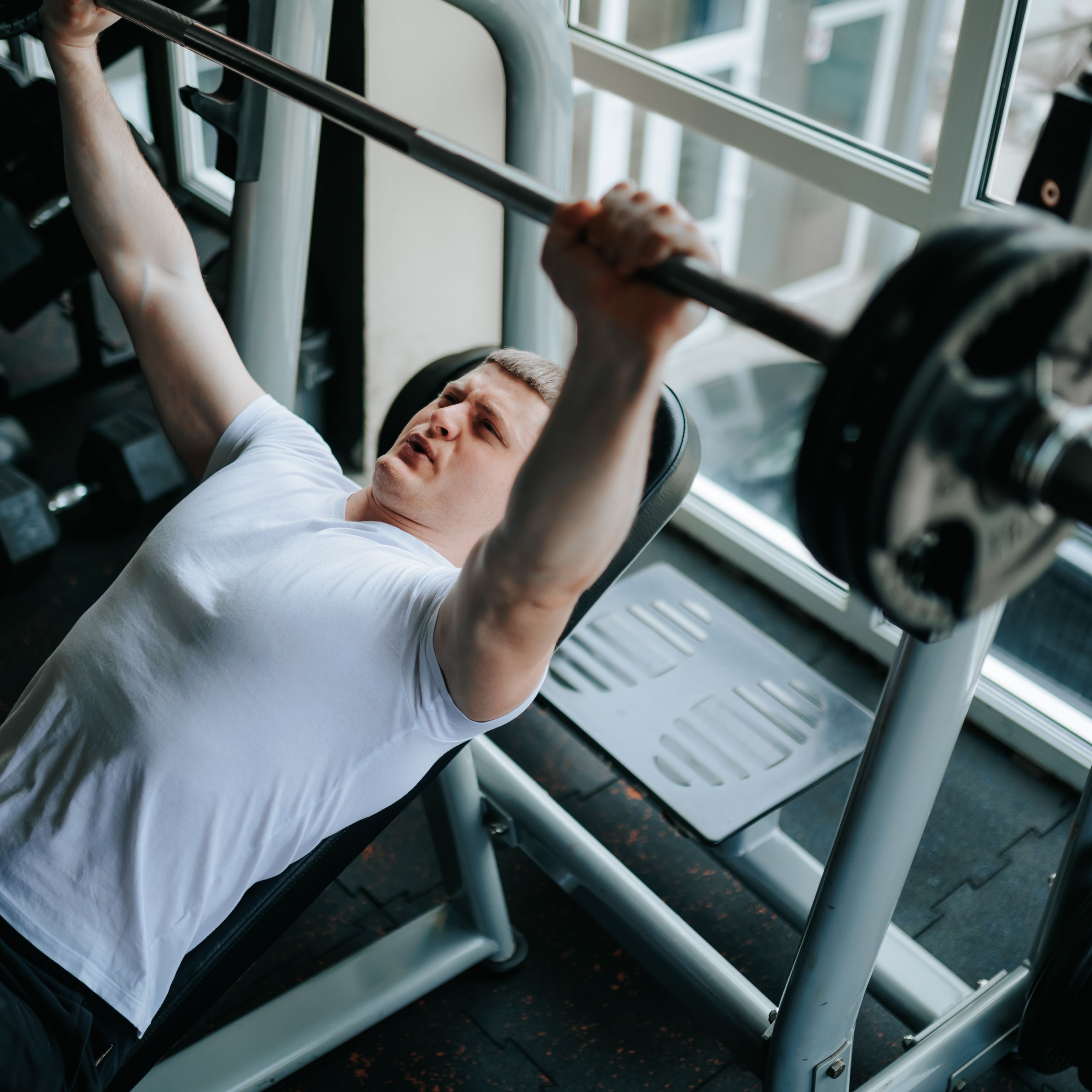
Your Sets Need to Be Challenging
Picture 20 biceps curls with a weight you could lift 50 times. Technically, that's a high-rep set. Your biceps won't be impressed.
Lighter weights work when sets are pushed hard enough. A 2024 meta-regression found that muscle growth tended to increase as sets ended closer to failure, though the researchers noted the exact relationship is still uncertain.
That doesn't mean every set has to end with the dumbbell refusing to move. A systematic review found no clear hypertrophy advantage for training to momentary failure over stopping short of it, and a 2024 study in trained adults found similar quad growth either way.
The practical takeaway: working sets should actually feel like work. The last few reps should be tough while your technique holds up.
You Need Enough Weekly Volume
A 2026 meta-analysis found that muscle growth generally rose with weekly training volume, with diminishing returns as volume climbed. The American College of Sports Medicine's 2026 resistance-training guidance also emphasizes weekly volume, pointing to roughly 10 sets per muscle group as a useful target.
More isn't infinitely better. But one half-hearted set every other Thursday isn't the answer either. The goal is enough quality work to spark adaptation, plus enough recovery to do it again.
What Rep Range Is Best for Muscle Growth?
There's no magic hypertrophy rep range. The classic 8 to 12 is useful, but it isn't an on/off switch.
One meta-analysis comparing very low, low, moderate, and high loads found no significant differences in hypertrophy when training volume was matched. Sets of 6, 10, 15, or more can all contribute.
That doesn't mean anything goes. Each range comes with tradeoffs.
Heavy weight, lower reps. Effective for muscle growth, with a strong advantage for maximal strength. Heavy sets get challenging in fewer reps, but they're demanding and suit some exercises better than others. A heavy squat makes sense. Testing your three-rep max on lateral raises is solving a problem nobody asked you to solve.
Moderate weight, moderate reps. Effective for both muscle and strength, and practical for most exercises. Somewhere around 6 to 15 reps lets you build meaningful volume without extreme loads or marathon sets. It's not the only way to grow. It's just convenient.
Lighter weight, higher reps. Effective for muscle growth when sets are hard enough, though less specific for maximal strength. It takes more reps to bring the muscle close to its limit, so sets run longer and often feel more fatiguing. A 25-rep set absolutely counts. You may just spend reps 18 through 25 reconsidering some life choices.
Heavy vs. Light: Which Is Better for Muscle Growth?
For muscle growth alone, a better question is this: which load lets you train the target muscle hard, keep good technique, build enough volume, recover, and keep improving?
That flexibility helps in real life. Some movements feel great heavy. Others don't. Some days you have a full gym. Other days the heaviest thing around is a pair of dumbbells that clearly weren't consulted about your goals.
Muscle growth doesn't stop because the perfect weight isn't available.
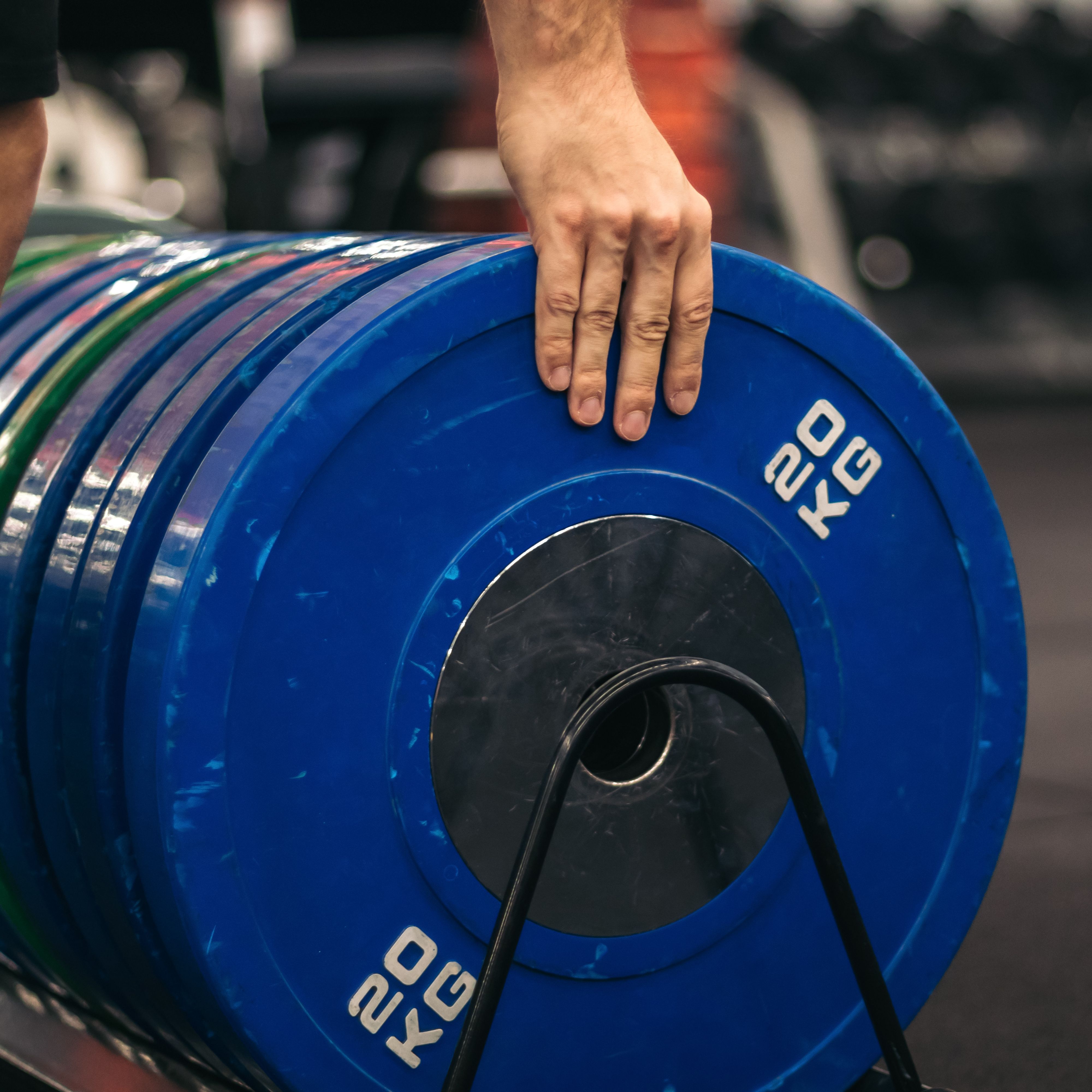
How Heavy Should You Lift to Build Muscle?
Pick a weight that fits the exercise and lets you complete a challenging set with controlled technique. A typical program might use:
- Heavier loads and lower reps for compound lifts like squats, deadlifts, presses, and rows
- Moderate reps for most machine and dumbbell work
- Moderate-to-higher reps for isolation moves like lateral raises, curls, and triceps extensions
This is also where overthinking creeps in. Was 55 pounds too light? Should it be 60 next week? More reps instead? Another set? Was today rough because of five hours of sleep?
Each call is small. Multiply them across six exercises, four workouts, and 52 weeks, and your Notes app becomes a part-time job.
FitnessAI is built to take that off your plate. It adjusts sets, reps, and weights based on workout performance, so progressive overload happens without redesigning the program after every session.
You show up. The next target is already there.
Does Progressive Overload Mean Lifting Heavier Every Workout?
No. Progressive overload means gradually increasing the training stimulus as your body adapts. That can come from:
- More weight
- More reps at the same weight
- More productive training volume
- Better execution and control
- A harder exercise variation
Doing the exact same work forever gives your body less reason to change. But progression should be earned, not forced. If you breezed through last week's reps, adding load may make sense. If performance dipped, adding weight just because it's a new week probably doesn't.
FitnessAI uses past performance to set upcoming sets, reps, and weights, because the goal isn't simply more weight. It's the right progression at the right time. The app also shows users why their targets change, so nobody is asked to blindly trust an adjustment.
Progress should be predictable.
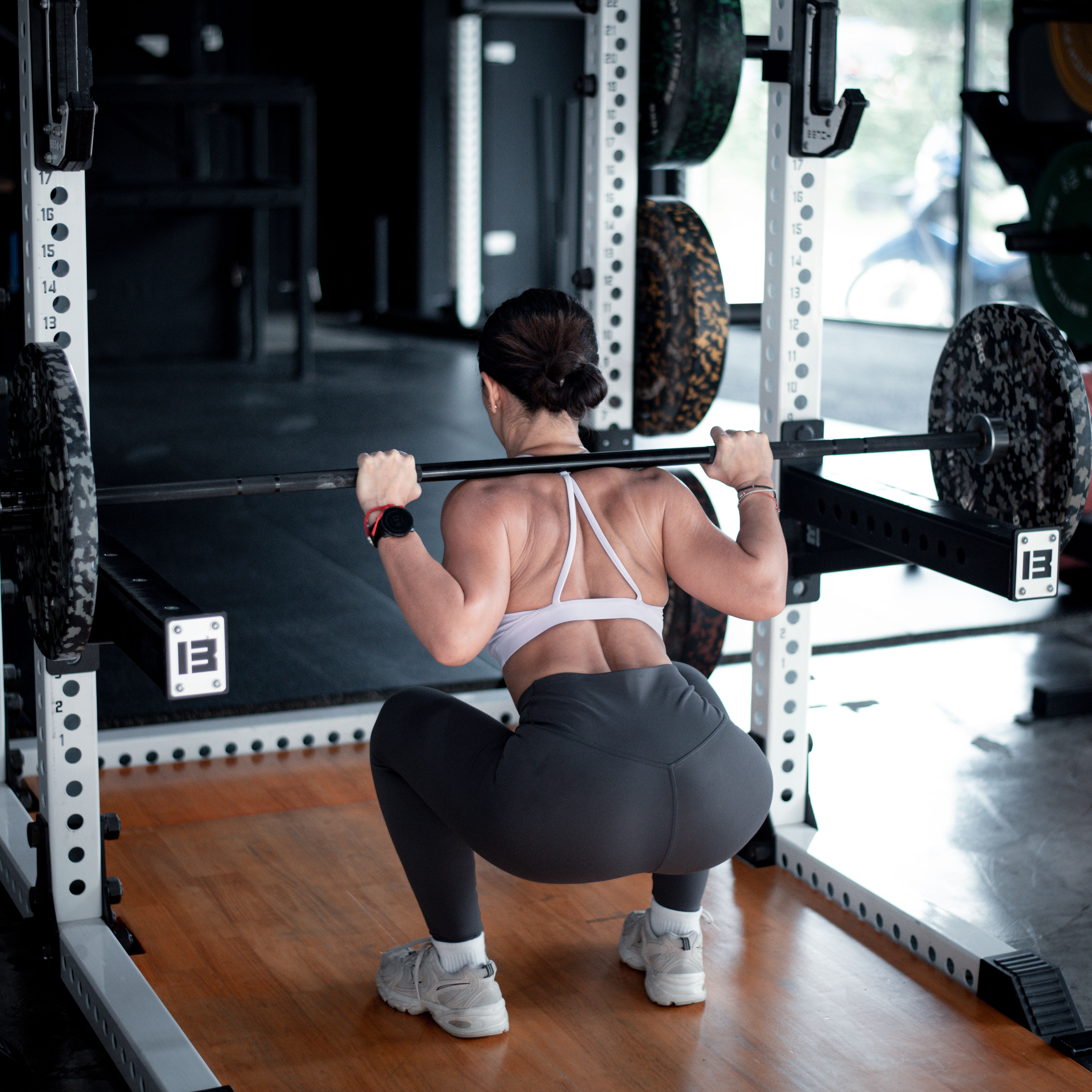
Do You Need to Train to Failure to Build Muscle?
Probably not on every set.
Training close to failure seems to matter for hypertrophy, especially with lighter loads. But research doesn't show that hitting absolute failure is required for growth.
Think of effort as a spectrum. Stopping with 10 easy reps left leaves stimulus on the table. Grinding every squat until you physically can't move creates a different problem.
For most lifters, hard sets that finish close to failure strike the best balance between stimulus and fatigue. That matters across the whole week, too. The hardest possible workout isn't the most productive one if it wrecks your next three sessions.
Is Lifting Heavy Better for Strength?
Here the answer changes. If maximal strength is the main goal, heavier training matters more.
The same research showing similar muscle growth across loads also found bigger improvements in one-rep-max and isometric strength with higher loads. The large network meta-analysis agreed: loads above 80% of one-rep max produced the greatest strength gains.
That makes sense. Strength is partly a skill, and getting good at producing force against heavy resistance takes practice with heavy resistance.
Building muscle and maximizing strength overlap, but they aren't the same goal. The ideal emphasis depends on which one matters most to you.
Can You Build Muscle With Lighter Weights at Home?
Yes, and it's one of the most useful takeaways from the research.
Traveling, training at home, or working with limited equipment doesn't make a workout useless. You may just need to:
- Do more reps
- Train closer to failure
- Choose exercises that make the available weight harder
- Use single-arm or single-leg movements
- Adjust total volume
FitnessAI adjusts workouts around the equipment you actually have, whether that's a full gym, a home setup, or a hotel gym with exactly one 25-pound dumbbell. The training stimulus stays intact, and you don't have to rebuild the workout yourself.
No spreadsheets. Just adjust and train.
What Matters More Than Always Lifting Heavy?
If muscle is the goal, worrying about whether every set counts as "heavy" distracts from what matters more over months of training.
Consistency. The 2026 ACSM guidance puts it plainly: going from no resistance training to consistent resistance training produces the biggest improvement. A perfect program followed inconsistently has an obvious problem.
Effort. Sets should be hard enough to give the muscle a reason to adapt. They don't need to be survival events.
Volume. More volume generally means more growth, with smaller returns as it climbs. Enough matters. Infinite doesn't.
Progressive overload. Sometimes that means adding weight, sometimes adding reps, and sometimes holding steady because recovery or recent performance says so. FitnessAI users consistently name this reduction in decision-making as one of the app's biggest benefits. In a February 2026 survey of 1,063 users, 44.3% said they downloaded FitnessAI because they were tired of guessing or making their own plan, and 72.1% listed progressive weight suggestions among the features they value most. Turns out knowing what to do next is useful.
Recovery. Training creates the stimulus. Recovery lets you adapt to it. If performance keeps dropping, adding weight isn't progressive overload. It's just adding weight. FitnessAI factors in performance and recovery when adjusting volume and intensity, keeping progression moving without treating each workout as an isolated event.
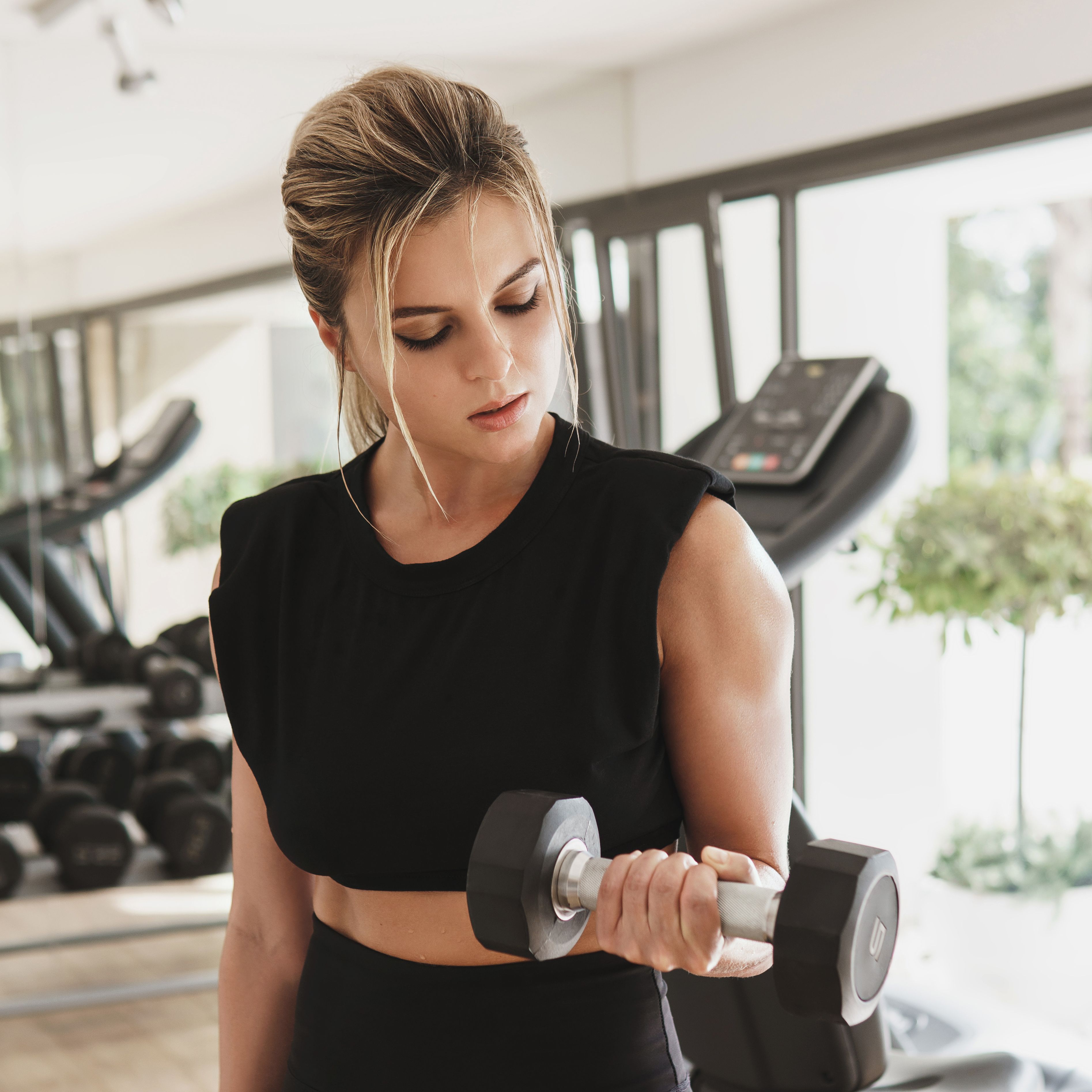
A Practical Muscle-Building Approach
- Choose a load you can control. Technique should stay consistent through the set.
- Make the set challenging. The final reps should take real effort.
- Build enough weekly work. Growth comes from repeated quality sessions, not one heroic workout.
- Track your performance. Know your weights and reps so you have something to build on.
- Progress when performance supports it. Add weight, reps, or volume on purpose, not at random.
- Use different loading ranges. Heavy, moderate, and lighter training all have a place.
- Recover and repeat. Momentum beats one perfect workout.
A structured program beats deciding what feels right every time you walk into the gym. Your workout should be spent lifting, not standing next to a bench Googling whether 10 reps is "hypertrophy enough."
The Bottom Line: You Don't Have to Lift Extremely Heavy to Build Muscle
So, do you really need to lift heavy to build muscle? No.
Muscle grows across a broad range of loads. Heavier weights matter most for maximal strength, while muscle growth depends on hard training, enough volume, steady progression, and consistency.
That's good news. You don't need a bigger number every session to prove the workout worked. You need a stimulus that progresses over time and a plan you can actually repeat.
FitnessAI handles the sets, reps, weights, and adjustments based on how you're performing, so you never have to guess what "progressive" should look like from one workout to the next.
You show up. FitnessAI handles the plan.
Frequently Asked Questions
Can you build muscle with light weights?
Yes. Lighter-load training can produce muscle growth comparable to heavier training when sets are challenging enough. Lighter sets usually take more reps and real effort to get there.
Is lifting heavy better for building muscle?
Not necessarily. Heavier and lighter loads can both build muscle effectively. Heavy loads have a clearer advantage for maximal strength than for hypertrophy.
What rep range is best for muscle growth?
There's no single required range. Muscle growth has been seen with low, moderate, and higher reps. Moderate ranges are often the most practical because they balance load, reps, volume, and fatigue.
Do I need to train to failure to build muscle?
No. Training close to failure may support hypertrophy, but reaching absolute failure on every set hasn't been shown to be necessary.
How do I know when to increase the weight?
Increase the weight when your current load no longer provides the intended challenge. A structured progressive overload plan uses completed reps and past performance to decide when to add load, reps, or another training variable.
Download FitnessAI TODAY!
Alyssa Gonzalez
