


Recovery Is Where Progress Happens
Most people think progress happens in the gym. It doesn't. It happens afterward, while the body repairs what training just broke down.
Lifting is the stimulus. Recovery is where the actual adaptation occurs. Skip that part, or wing it, and all that hard work in the gym has nowhere to go.
This is one of the most overlooked pieces of strength training, especially for people who are busy, motivated, and used to pushing through instead of backing off. Here's what recovery actually does, why more people are getting it wrong than right, and how to build it into a routine without turning it into another thing to overthink.
Why Recovery Matters More Than Most People Realize
Strength training works by creating small amounts of stress in the muscle fibers. That stress is the trigger. The rebuilding process that follows is what makes the muscle stronger, denser, and more resilient than it was before.
That rebuilding doesn't happen during the workout. It happens in the hours and days after, when the body is given the resources and the time to repair.
Without enough recovery, a few things tend to happen:
- Strength gains stall even though effort in the gym stays high
- Soreness lingers longer and starts affecting form
- Motivation drops because progress feels invisible
- The risk of overuse injuries goes up
This is the gap between training hard and training well. A lot of people are doing the first without the second.
The Difference Between Overtraining and Undertraining Recovery
Overtraining gets talked about a lot, but a more common issue is simply undertraining recovery. That means:
- Sleeping less than the body needs to repair muscle tissue
- Training the same muscle groups again before they've recovered
- Ignoring signs of fatigue because a plan says to keep going
- Never adjusting intensity based on how the body actually feels that week
None of this looks dramatic day to day. It just quietly slows everything down.
What Actual Recovery Looks Like
Recovery isn't just rest days. It's a combination of a few specific things working together.

1. Sleep Is the Biggest Lever
Most muscle repair and growth hormone release happens during deep sleep. Consistently getting under 6 to 7 hours a night makes it harder for the body to recover, no matter how good the training program is.
If nothing else changes, prioritizing sleep will do more for progress than almost any other adjustment.

2. Protein and Total Recovery Nutrition
Muscle repair needs raw material. That mostly means adequate protein intake spread across the day, along with enough total calories to support the rebuilding process.
Under-eating while training hard is one of the fastest ways to stall progress and feel constantly worn down.

3. Active Recovery and Movement
Complete inactivity on rest days isn't necessary and isn't always ideal. Light movement like walking, mobility work, or an easy bike ride can help blood flow without adding fatigue.

4. Managing Training Volume and Intensity
This is where a lot of people get stuck, especially without a plan that adjusts. Doing the same volume and intensity every single week, regardless of how the body is responding, eventually catches up.
This is also where a smarter approach to training helps close the gap.
How Smarter Training Removes the Guesswork
Here's the honest problem: knowing all of the above is one thing. Actually applying it, week after week, while also deciding what to lift, how much, and when to back off, is a lot of mental overhead for someone who just wants to train and get on with their day.
This is exactly the kind of decision fatigue that trips people up. Not lack of knowledge. Lack of bandwidth to apply it consistently.
FitnessAI handles a lot of that decision-making in the background. Instead of guessing whether this week should be heavier or lighter, the app's recovery-aware training adjusts programming based on how a person has actually been training and recovering, not a rigid template that ignores it.
A few ways this shows up in practice:
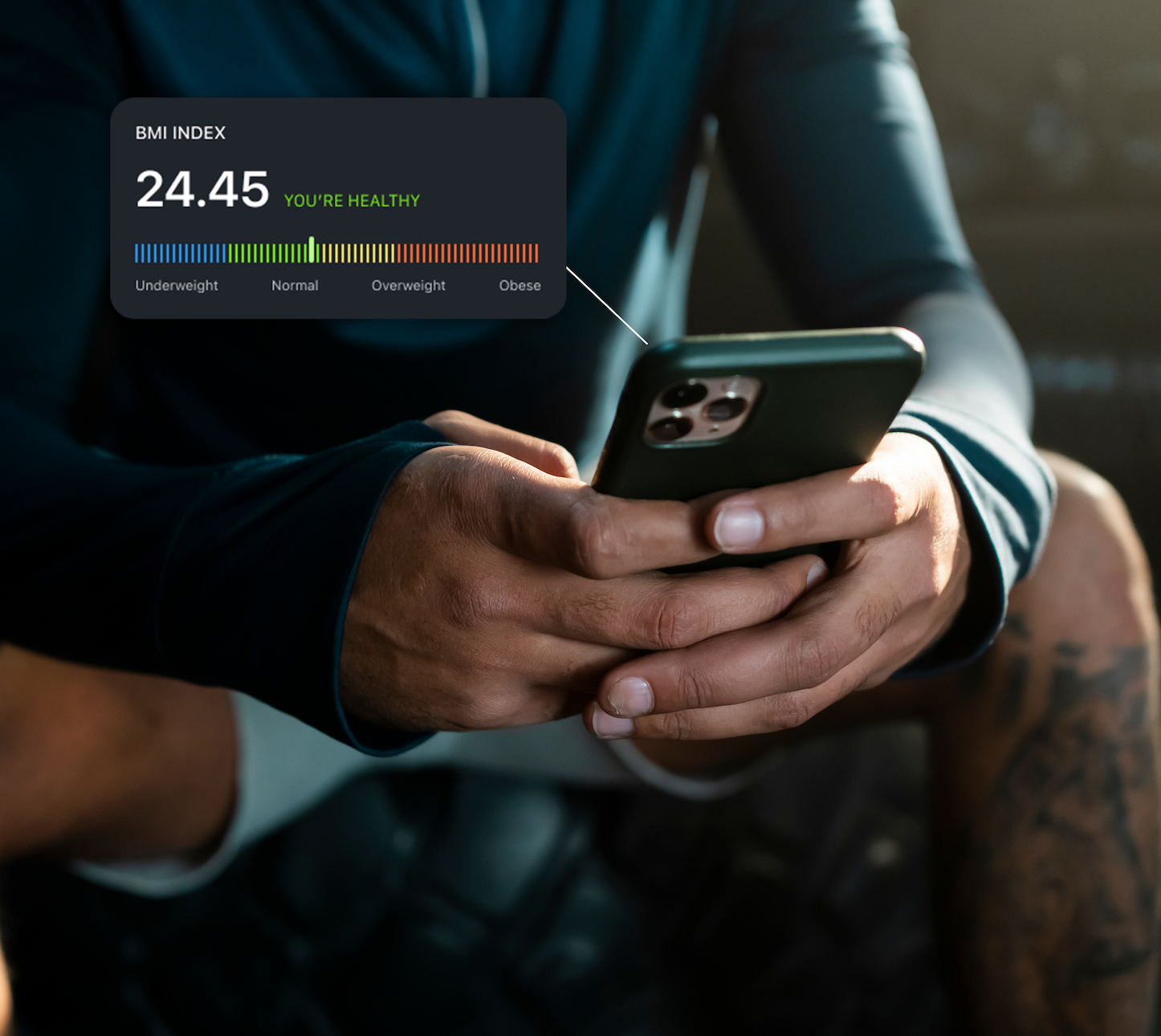
- Progressive overload that actually progresses. Instead of manually deciding whether to add weight or reps, FitnessAI's automated progressive overload adjusts load over time based on real performance, so the plan doesn't push too hard on a week where the body needs a lighter touch.
- Adaptive workouts instead of static plans. If a session gets missed or fatigue builds up, adaptive programming adjusts the following workouts instead of just repeating the original plan and hoping it still fits.
- Equipment-based adjustments. For people training around limited equipment, whether at home or a busy gym, this removes the "I don't have that, what do I do instead" problem in the middle of a workout.
- Visual progress tracking. Seeing strength trends over weeks, not just single workouts, makes it easier to notice when a plateau is actually a recovery issue rather than a training issue.
None of this replaces the basics of sleep, food, and rest days. It just makes it easier to stay consistent with the training side, so recovery isn't fighting against a plan that never adjusts.
Signs Recovery Needs More Attention
A few honest signals worth paying attention to:
- Lifts that used to feel manageable now feel heavy for no clear reason
- Soreness that lasts more than 3 to 4 days regularly
- Trouble sleeping despite feeling physically tired
- Irritability or low motivation around workouts that used to feel good
- Getting sick more often than usual
Any one of these on its own isn't a big deal. A pattern of them is worth listening to.
Building a Recovery Routine That Actually Sticks
A recovery routine doesn't need to be complicated to work. A few habits, done consistently, matter more than a perfect plan followed inconsistently.
- Protect 7 to 9 hours of sleep as a non-negotiable, not a nice-to-have
- Eat enough protein and total calories to support the training load
- Build in at least one or two lighter or lower-intensity days a week
- Let training intensity flex based on how the week is actually going, rather than forcing the same numbers every time
- Pay attention to the early signs above instead of waiting for a full burnout
According to FitnessAI's 2026 user survey, people who followed structured, recovery-aware programming reported noticeably fewer plateaus and better long-term consistency than those training on fixed, non-adjusting plans. That lines up with what most experienced coaches already know: the body doesn't respond well to a plan that never listens to it.

The Bottom Line
Training builds the stimulus. Recovery builds the strength. Skipping or underestimating recovery is one of the most common reasons people feel stuck despite putting in real effort.
The good news is that recovery doesn't require overhauling everything. It requires consistency, a bit of attention to the signals the body is already sending, and a training plan flexible enough to adjust when needed.
That last part is where a lot of people get stuck on their own, not from lack of effort, but from having to manage every variable manually. Letting a plan handle the recovery-aware adjustments in the background is often the difference between staying consistent and burning out.
If it feels like progress has stalled even though the effort is there, it might not be a training problem. It might be a recovery one. Worth taking a closer look before adding more to the plate.
Download FitnessAI!
Alyssa Gonzalez
