


Gym Etiquette 101: The Beginner's Guide to Feeling Confident
New to the Gym? Here's What Actually Matters
Walking into a gym for the first time can feel intimidating. There's the equipment you've never touched, the machine you're not totally sure how to adjust, and that nagging feeling that everyone's watching your every move.
Here's the good news: they're not. Most people at the gym are locked into their own workout, not paying attention to anyone else's.
Learning a few basic rules of gym etiquette goes a long way toward feeling more confident and cutting down on those awkward moments. If someone has ever searched "gym etiquette for beginners," "what are the rules at the gym?" or "how do I stop feeling awkward at the gym?", this is exactly the guide they need.
Here's everything worth knowing.
Why Gym Etiquette Matters
Gym etiquette isn't a long list of rigid rules to memorize. It's really just about respecting shared equipment, helping everyone train safely, and keeping the environment easy for people to focus on getting stronger.
The best gyms aren't full of flawless lifters. They're full of people who remember that everyone started somewhere. Once someone picks up a handful of simple habits, they start to feel like they belong, fast.
1. Wipe Down Equipment After Using It
This one's the golden rule, and it takes about ten seconds.
After using a bench, machine, or piece of cardio equipment, a quick wipe-down with the gym's disinfectant spray or wipes goes further than people realize. It's a small gesture, but it's the kind of thing other gym-goers genuinely notice and appreciate.
2. Put the Weights Back
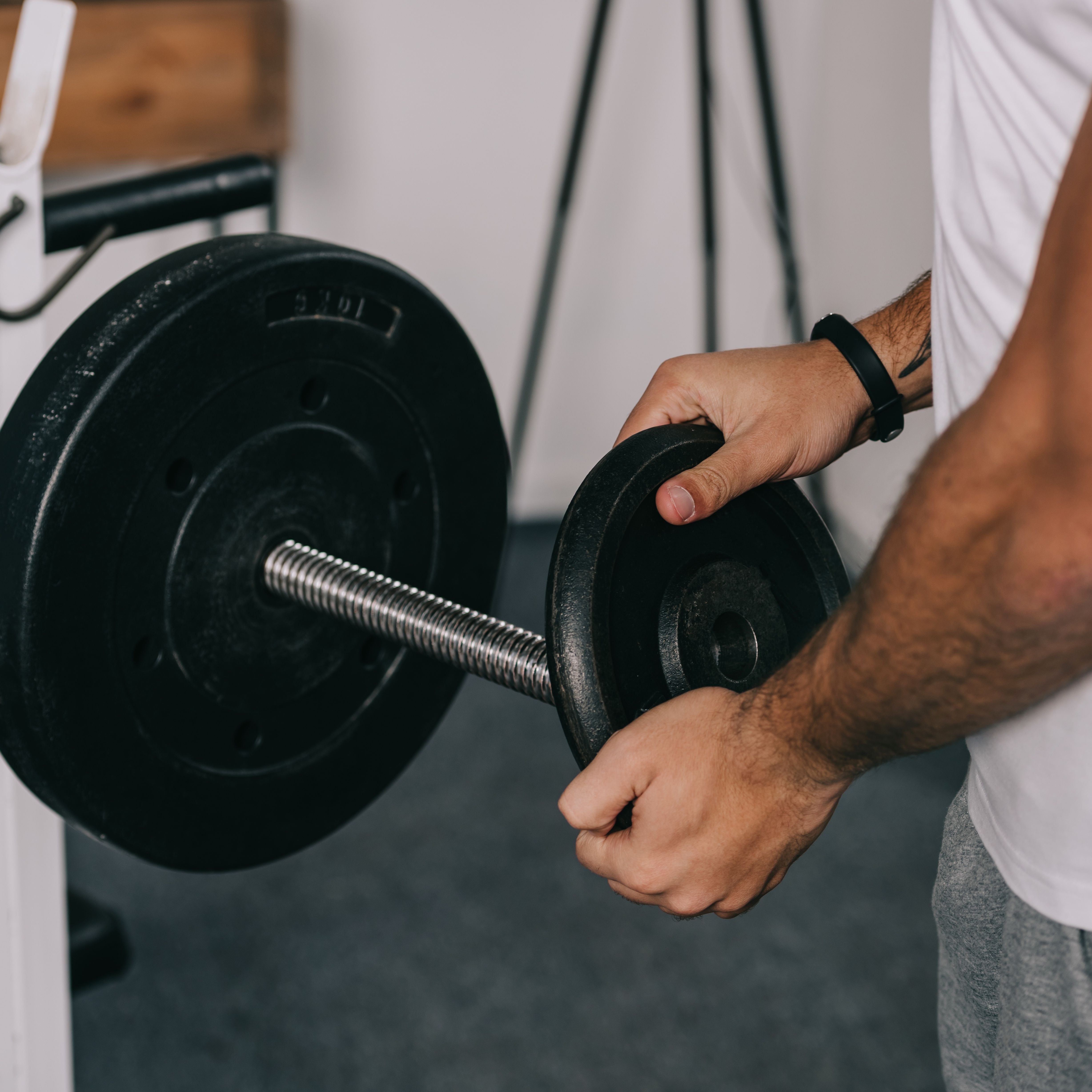
Unloaded a barbell? Grabbed a pair of dumbbells? Put them back where they belong once the set is done.
Leaving weights scattered around doesn't just create extra work for the next person, it can turn into an actual safety hazard. The simplest way to think about it: leave the equipment ready for whoever's up next.
3. Don't Camp on Equipment
Resting between sets is totally normal. Scrolling through social media for five minutes while someone else waits for the machine? Not so much.
When the gym gets busy, a few small habits help:
- Keep rest periods reasonable
- Let someone work in between sets if it's easy to do
- Save the texting for after the workout
Everyone benefits when gym traffic keeps moving.
Can Someone "Work In"?
Someone might ask, "Mind if I work in?" That's just a way of asking to trade off sets while the other person rests.
If the weight is quick to adjust, sharing is easy and expected. If the equipment is trickier to switch between users, a quick, polite explanation is all that's needed. No one expects perfection here.
4. Avoid Standing Directly in Front of the Dumbbell Rack
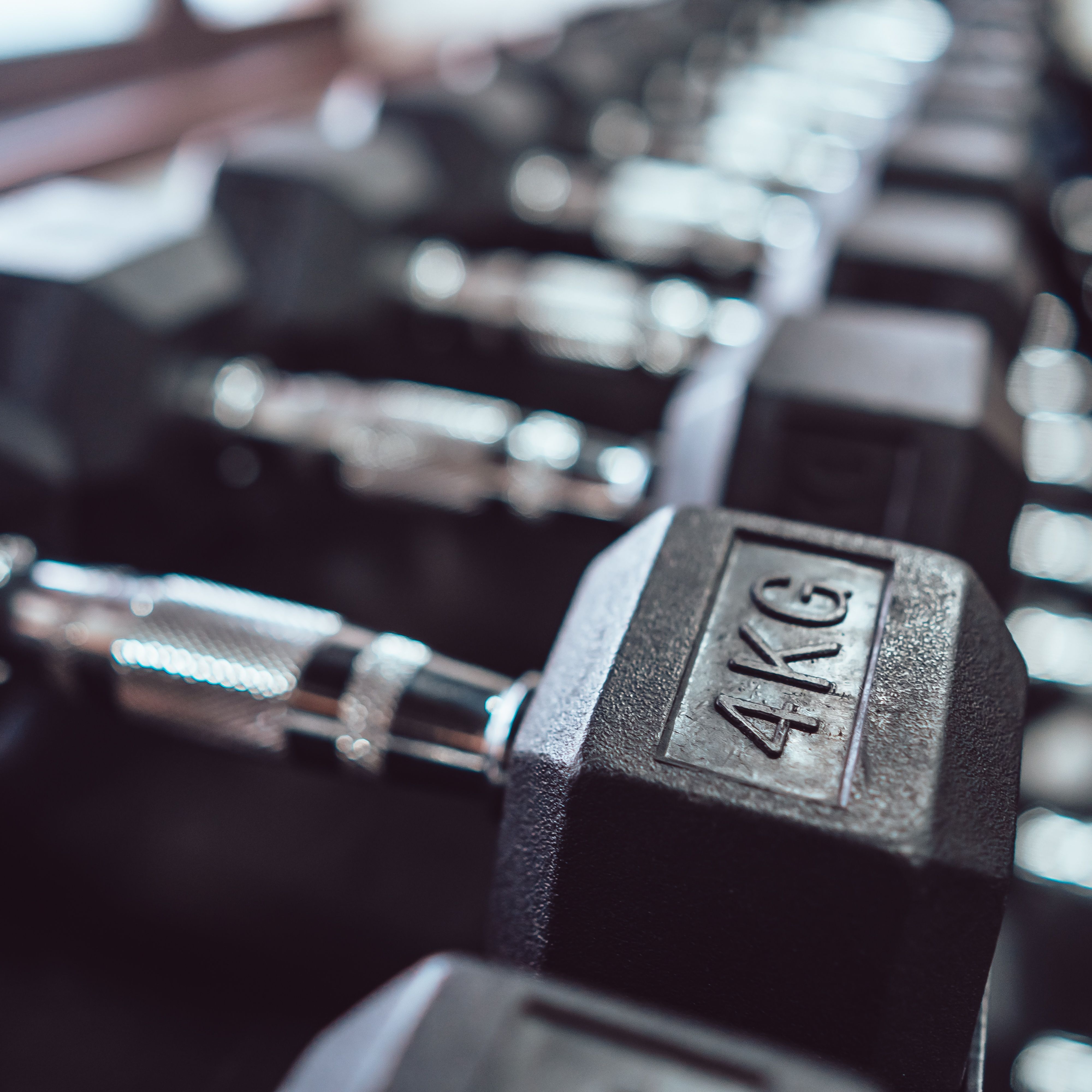
This is one of the most common beginner slip-ups. Instead of doing an entire set while blocking access to the rack, it helps to:
- Grab the dumbbells
- Step a few feet back
- Complete the set
- Return the weights when finished
Small adjustment, big difference for everyone else trying to grab their own equipment.
5. It's Fine to Ask If Someone's Finished
This happens constantly at every gym. A simple "Hey, how many sets do you have left?" is completely normal, and most lifters are happy to answer. Sometimes they'll even invite the person to work in.
Is It Okay to Ask for Help?
Absolutely. Not sure how a machine works? Ask a staff member. If another member looks approachable and isn't deep into a heavy set, most people are glad to explain. Everyone remembers being the new person once.
6. Respect Personal Space
Gyms get crowded, especially during peak hours. A few things worth avoiding:
- Standing right next to someone mid-lift
- Walking in front of someone checking their form in the mirror
- Jumping into conversation during a heavy set
Waiting until someone's finished before starting a conversation goes a long way.
.png)
7. Walk in With a Plan
One of the easiest ways to feel more confident is knowing exactly what's coming next. A lot of beginners end up spending more time wandering the gym floor than actually training, which is completely understandable, but a structured plan changes everything.
Instead of standing there wondering what exercise comes next, how much weight to use, or how many reps to do, the whole session flows from one movement to the next.
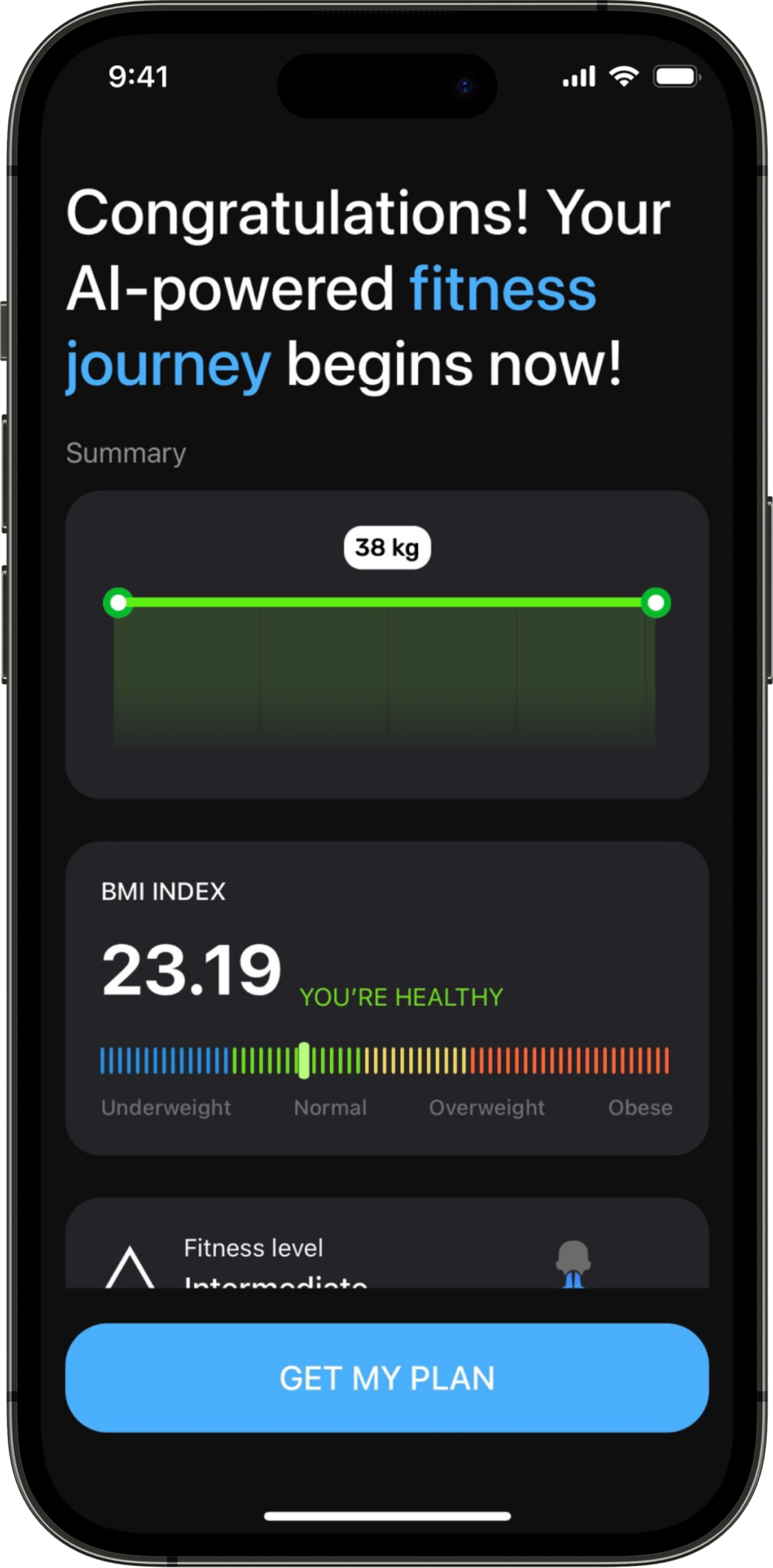
That's part of why so many people lean on FitnessAI. Instead of piecing together random workouts pulled from social media, the app builds a personalized strength training session based on individual goals, available equipment, and workout history. Open the app, see exactly what's next, and get moving. The energy stays on the workout instead of trying to design one from scratch.
8. Don't Compare to Everyone Else in the Room
This might be the hardest rule to actually follow. There will always be someone deadlifting twice their bodyweight, someone running faster, someone who seems to know every machine by heart.
Chances are, they've been training for years. The only fair comparison is to yesterday's workout. Progress comes from consistency, not competition with strangers.
What Weight Should Someone Lift?
One of the most common questions beginners ask. Going too heavy wrecks form. Going too light isn't dangerous, but it might not be challenging enough to make progress.
A simple guideline: pick a weight that allows the target reps to be completed with good technique, while feeling like only one or two more reps would be possible.
FitnessAI takes a lot of the guesswork out of this by adjusting sets, reps, and weights based on previous performance. When every prescribed rep gets completed, the app explains exactly why the weight goes up next time, which builds real confidence in the progression instead of leaving people to wonder if they're making the right call.
9. Don't Film Other People
Recording personal lifts? Common and totally fine. Recording strangers? Not okay.
Anyone filming their own workout should:
- Double-check nobody else got caught in frame
- Keep the setup out of walkways
- Respect other members' privacy

10. Headphones Signal "Don't Interrupt Me"
Headphones are basically universal gym shorthand for "I'm in workout mode." Wearing them isn't required, but if someone else has theirs in, it's best to skip the long conversation unless it's necessary.
What to Bring to the Gym
A simple checklist covers most of it:
- Water bottle
- Small towel (if the gym recommends one)
- Comfortable workout clothes
- Athletic shoes
- A workout plan
That last item matters more than most people realize.
The Real Confidence Booster Isn't Experience, It's Preparation
Plenty of people assume confidence only shows up after months of lifting. In reality, it usually comes from removing uncertainty.
FitnessAI's own user research backs this up. The most common reason people downloaded the app was being tired of guessing what to do once they got to the gym. The most valued features turned out to be AI workout recommendations, exercise tutorials, progressive weight suggestions, and equipment-based filtering. Over and over, users said they loved being able to just show up and follow the workout.
Knowing the exercises ahead of time helps in a few concrete ways:
- Less time wandering around
- More comfort using unfamiliar equipment
- Sharper focus on form
- More momentum session after session
And if a machine's occupied, FitnessAI can suggest similar exercise substitutions on the spot, adjusting the workout based on whatever equipment happens to be available, so the session keeps moving without throwing off any progress.
Common Beginner Gym Etiquette Mistakes
Everyone slips up here and there. What matters is learning from it. Some of the most common mistakes:
- Forgetting to rerack weights
- Standing too close to someone lifting
- Sitting on equipment while texting
- Skipping the equipment wipe-down
- Being too nervous to ask questions
- Wandering the gym without a plan
None of it makes anyone "bad" at the gym. It's just part of the learning curve.
Frequently Asked Questions
What is proper gym etiquette? Proper gym etiquette comes down to respecting shared equipment, cleaning up afterward, reracking weights, giving others space, and staying mindful of everyone else's workout experience.
Is it okay to ask someone how many sets they have left? Yes, this is one of the most common, completely normal conversations that happens in any gym.
What if I don't know how to use a machine? Ask a gym employee, or check for an instructional demo if one's available. FitnessAI includes guided video demonstrations for every major exercise, so proper form is clear before the first rep.
Do experienced lifters judge beginners? Usually not. Most experienced lifters respect anyone who shows up consistently. Everyone was new at some point.
What's the best workout app for beginners? The best workout app is one that removes uncertainty and helps build consistency, adapting workouts as strength improves and explaining why the plan changes over time, rather than leaving people to guess.
Final Thoughts
The gym isn't a test. Nobody needs to know everything before walking through the door.
Learn a few etiquette basics, respect the people training nearby, and keep showing up. Confidence doesn't come from looking like someone who belongs there, it comes from realizing that they already do.
For anyone looking for a bit more structure, FitnessAI can take one more thing off the plate. It builds personalized strength workouts, adjusts them as progress happens, and explains why the plan evolves, so there's less second-guessing and more time spent actually getting stronger. Just show up. The plan's already waiting.
Download FitnessAI NOW!
Alyssa Gonzalez
