


Cardio Kills Muscle? The Truth Behind Concurrent Training
If someone has ever skipped a run out of fear of losing muscle, they're far from alone.
"Does cardio kill gains?" is one of the most searched questions in fitness. And like most things in training, the answer isn't black and white.
The truth is this: cardio doesn't kill muscle. Poor programming does.
Here's a breakdown of what actually happens when strength training and cardio are combined, and how to do it without sabotaging results.
What Is Concurrent Training?
Concurrent training simply means doing both strength training and cardio in the same routine or training cycle.
Common examples:
- Lifting weights + running
- Strength training + cycling classes
- Resistance workouts + HIIT
It's how most real people train. Especially if they're:
- Trying to build muscle and stay lean
- Short on time
- Training for general fitness, not just aesthetics
The problem isn't doing both. The problem is how they're combined.
Where the "Cardio Kills Muscle" Myth Comes From
This idea comes from something called the interference effect.
In simple terms:
- Strength training signals the body to build muscle
- Endurance training signals the body to improve efficiency and stamina
These signals can compete with each other if poorly managed.
But here's what research and real-world experience show:
👉 The interference effect is context-dependent, not inevitable.
It becomes an issue when:
- Cardio volume is too high
- Recovery is insufficient
- Nutrition is lacking
- Training intensity isn't managed properly
For most people, especially busy adults, this isn't where things go wrong.
.png)
When Cardio Actually Hurts Muscle Growth
Cardio can impact muscle growth when approached like this:
1. Too Much, Too Often
Running hard 5–6 days per week while trying to build muscle is a fast track to burnout.
2. Poor Timing
Doing intense cardio right before heavy lifting can reduce strength output.
3. No Recovery Strategy
Muscle is built during recovery, not just during training.
4. Undereating
Without proper fueling, the body doesn't have the resources to build muscle.
.png)
When Cardio Helps Gains
Cardio can actually support muscle growth when used correctly.
1. Improves Recovery
Light to moderate cardio increases blood flow, which helps muscles recover faster.
2. Builds Work Capacity
Better conditioning means more volume in the gym over time.
3. Supports Fat Loss Without Extreme Dieting
This helps someone stay lean while maintaining muscle.
4. Improves Heart Health and Longevity
Which, realistically, matters more than squeezing out 1% more hypertrophy.
The Smart Way to Combine Cardio and Strength Training
For anyone whose goal is to build muscle and stay fit, here's what actually works.
Prioritize Strength Training
Lifting sessions should be the main driver of muscle growth.
The focus should be on:
- Progressive overload
- Consistent volume
- Good form and intensity
This is where a lot of people get stuck.
They guess their weights, repeat the same workouts, and wonder why nothing changes.
This is exactly where tools like FitnessAI quietly make a difference.
Instead of guessing, the app analyzes past workouts and adjusts sets, reps, and weights automatically. So even when cardio is part of the routine, strength training keeps progressing.
Keep Cardio Intentional
Not all cardio needs to be brutal.
A smart mix looks like:
- Low-intensity steady state (walking, light cycling)
- Short, efficient HIIT sessions (1–2x per week max)
Nobody needs hour-long runs to stay conditioned. They need cardio that fits their life.
Separate When Possible
For best results:
- Lift first, then do cardio
- Or separate sessions by several hours
If that's not realistic, don't overthink it. Consistency beats perfection.

Manage Fatigue Like an Adult With a Busy Life
This is where most people fall short.
They try to follow aggressive programs built for athletes, not people with jobs, stress, and limited time.
Fatigue builds up quietly:
- Sleep drops
- Performance stalls
- Motivation dips
And suddenly it feels like cardio is "killing gains."
In reality, the system is just overloaded.
A smarter approach is adaptive training. FitnessAI, for example, adjusts workouts based on performance trends. If someone's fatigued from extra cardio or life stress, it subtly scales volume or intensity so progress continues without burning out.
That kind of adjustment is hard to replicate manually.
The Real Problem: Decision Fatigue in the Gym
Most people don't fail because they did cardio.
They fail because they're constantly guessing:
- How much weight to lift
- When to increase reps
- Whether they're doing too much or too little
- How to balance cardio with lifting
That mental load adds up.
The result is either overdoing it and burning out, or under-training and plateauing.
This is where having a system matters more than having motivation.
FitnessAI removes that guesswork by guiding progressive overload automatically. Someone can show up, follow the plan, and adjust cardio around it, without second-guessing every decision.
.png)
What a Balanced Week Can Look Like
Here's a realistic structure for someone with a busy schedule:
3–4 Strength SessionsFocused on compound lifts and progression
2–3 Cardio Sessions
- 1–2 low-intensity sessions
- 1 short HIIT workout (optional)
1–2 Rest or Active Recovery DaysWalking, mobility, light movement
The key isn't perfection. It's sustainability.
Does Cardio Kill Muscle? Final Answer
No.
Cardio doesn't kill muscle.
Poor recovery, poor programming, and inconsistent progression do.
For anyone who:
- Prioritizes strength training
- Keeps cardio intentional
- Manages fatigue
- Follows a structured progression
Building muscle and staying conditioned at the same time is absolutely achievable.
A Practical Way to Make This Easier
Feeling stuck trying to balance lifting and cardio is a common experience, and the hardest part usually isn't the work. It's knowing what to do next.
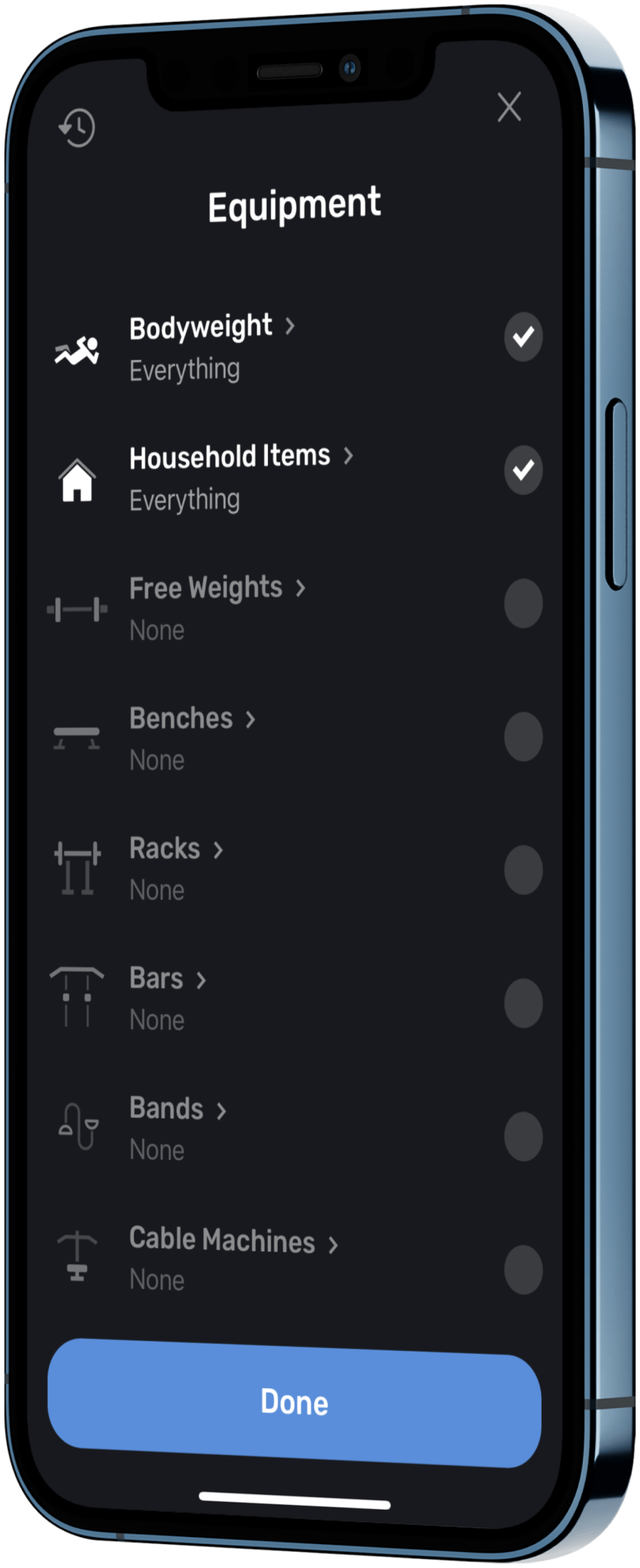
Using something like FitnessAI provides structure without overcomplicating things. Strength workouts evolve automatically, which frees up mental space to fit cardio in where it makes sense.
Less guessing. More progress.
And that's what actually drives results.
Download FitnessAI here!
Alyssa Gonzalez
