


Realistic Strength Training Progress: What Actually Happens in Your First Months of Lifting
Starting strength training often comes with high expectations.
Transformation photos are everywhere. Everyone talks about "newbie gains." And after a few workouts, most beginners find themselves asking the same questions: How long does it actually take to see results? Why does everything hurt? Is any of this working, or is the body just exhausted?
The honest answer is that real progress follows a pattern, and it's not the one most people expect. Strength improves first. Technique improves next. Visible changes come later. Understanding this timeline is often what separates someone who quits after three weeks from someone who builds a genuine long-term habit.
Here's a realistic look at what beginners actually experience in their first months of strength training: covering strength, soreness, technique, and confidence along the way.
The Real Timeline of Beginner Strength Training Progress
Most beginners walk into a gym expecting visible muscle growth within weeks. What they don't realize is that nearly all of the early improvements aren't happening in the muscles at all, they're happening in the nervous system. The body is learning how to recruit muscle more efficiently, and that process takes time.
Physical muscle growth typically becomes noticeable somewhere between eight and twelve weeks of consistent training. Strength increases, though, often start showing up much sooner. It helps to think of progress in phases rather than as a single transformation.
.png)
Weeks 1–2: Learning the Movements
What most beginners expect: Immediate strength gains and visible muscle.
What actually happens: The body is learning how to move.
During the first couple of weeks, most improvements come from coordination and motor learning. The brain is working hard to figure out how to activate the right muscles at the right time. Exercises start to feel less awkward. Gym equipment becomes more familiar. Balance and control improve in small but noticeable ways.
Soreness, on the other hand, can be intense, especially after the first few sessions. This is known as DOMS (delayed onset muscle soreness), and it's a completely normal response to a new training stimulus.
The biggest challenge most beginners face in week one isn't physical, though. It's decision fatigue. Questions pop up constantly: What exercise should I do next? How many sets is enough? Is this weight too heavy? This is exactly where having a structured plan makes a significant difference. Rather than wandering through the gym and second-guessing every choice, a clear program lets a beginner focus on one thing, executing the workout. That consistency, more than anything else, is what drives early progress.
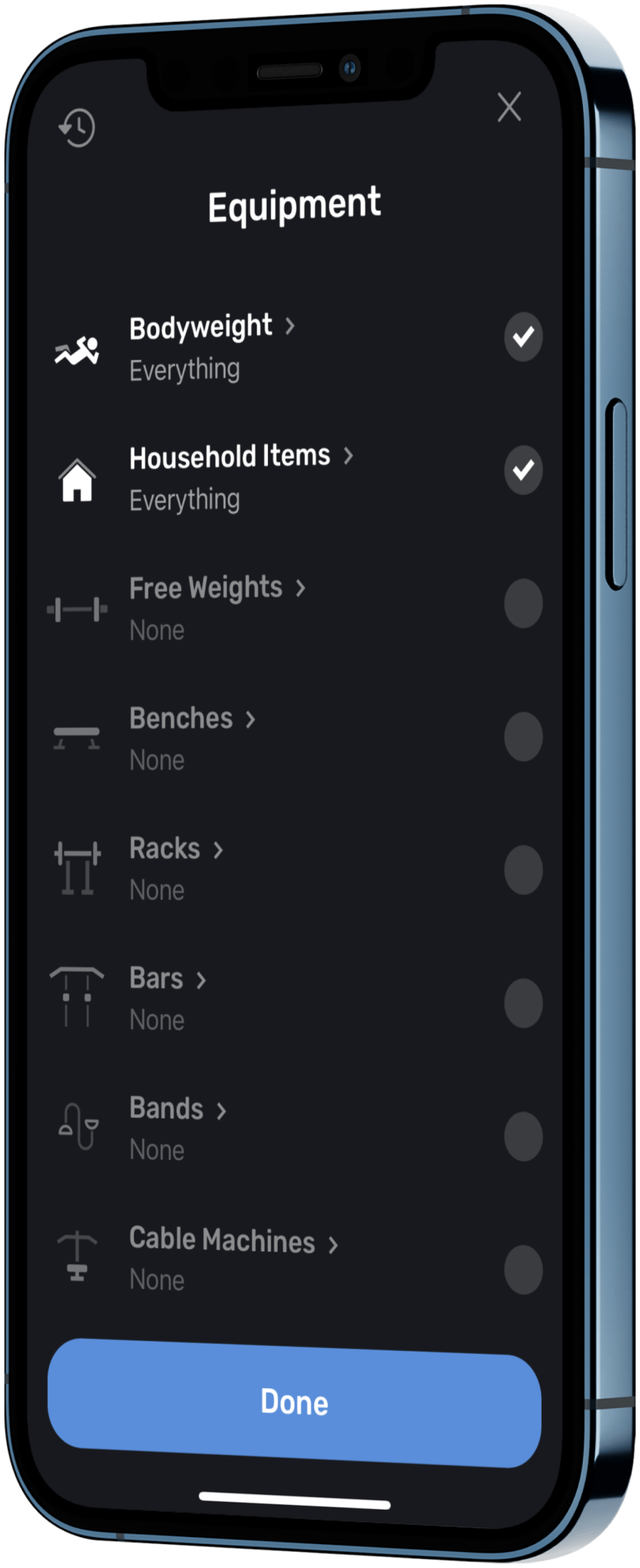
This is where structured guidance matters. FitnessAI removes the guesswork by generating workouts based on your available equipment and experience level. Instead of wandering through the gym, you simply follow the plan.
.png)
Weeks 3–4: Strength Starts Showing Up
Around the third or fourth week, something interesting happens: the weights start going up.
This is the stage where beginners experience rapid neurological adaptation. The muscles aren't necessarily bigger yet, but they're working far more efficiently. Lifts feel more natural. Workouts feel more productive. Energy levels tend to improve, and some beginners find themselves lifting noticeably heavier weights than they could manage in week one, sometimes significantly heavier on certain movements.
This is also where the concept of progressive overload becomes critical. Strength increases when training gradually becomes more challenging. Without that progressive challenge, progress stalls. The tricky part for beginners is knowing how to apply it safely, too little weight and there's no stimulus for growth, too much and the injury risk climbs quickly. Gradually adjusting weight based on actual performance, rather than guesswork, is what keeps progress moving without tipping into overtraining.
FitnessAI solves this by adjusting weight recommendations automatically. The AI analyzes your previous performance and gradually increases difficulty so you're always progressing without overdoing it.

Weeks 5–8: Technique and Efficiency Improve
By the second month, a different kind of progress becomes apparent, and for many people, it's the most satisfying kind.
Technique improves dramatically. Movements that felt confusing or awkward in the early weeks start to feel almost automatic. Squats feel more stable. The bench press path becomes smoother. There's a sense of real control over the weight rather than just surviving each set. Recovery between sessions gets faster, too, as the body adapts to the new demands being placed on it.
This is typically the phase where people start genuinely enjoying training. The gym stops feeling intimidating and starts feeling familiar.
It's also the phase where a new challenge emerges: balancing training with recovery. More weight means more fatigue, and without adequate rest, progress can stall even when the effort is there. Heavier training sessions need to account for how recovered a muscle group actually is, pushing a fatigued muscle group too soon is one of the most common ways beginners unknowingly slow their own progress.
FitnessAI helps here by factoring recovery into workout planning. If a muscle group is still fatigued from a previous session, the app adjusts upcoming workouts to avoid overtraining.
.png)
Months 2–3: Visible Changes Begin
At around the two-to-three-month mark, assuming training and nutrition have been consistent, many beginners start noticing physical changes for the first time.
Arms and shoulders start to look more defined. Clothes fit a little differently. Posture improves in ways that other people occasionally notice before the person themselves does. And strength increases begin to feel more meaningful, because there's finally visual proof to pair with the numbers.
This is the stage where motivation often spikes. The work is paying off in ways that are actually visible, and that feedback loop is powerful.
Tracking progress carefully during this phase matters more than most beginners realize. Small improvements week after week can be easy to overlook in the moment, but when viewed over time, the upward trend becomes undeniable. Seeing that trajectory, rather than just relying on the mirror, is one of the most effective ways to stay motivated through the inevitable slower weeks.
FitnessAI includes visual progress tracking so you can see your strength trends across exercises. Instead of guessing whether you're improving, you see the numbers moving upward.
.png)
Months 3–6: Confidence Takes Over
By this point, the biggest transformation is often less about the body and more about the mindset.
Most people who reach this stage no longer feel like beginners. They walk into the gym knowing what they're doing and why. They understand which exercises work best for them, how hard to push each set, and what real fatigue feels like versus just not wanting to do another rep. There's a sense of ownership over the process that simply didn't exist in week one.
Strength gains may slow slightly after the initial "newbie gains" phase, that's normal and expected, but progress continues steadily with the right programming. This is where intelligent, evolving workout design becomes critical. As the body adapts, the workouts need to adapt too. Volume, intensity, and exercise selection all need to shift over time, and a program that worked well in month one won't necessarily be the right program in month five.
FitnessAI handles this automatically by adjusting volume, intensity, and exercise selection based on your performance history. The program evolves as you do.
The Four Signals That Real Progress Is Happening
Beginners tend to look primarily at the mirror to gauge progress, but strength training improvements show up in multiple ways, and most of them appear before any visible physical change.
Strength increases. The numbers are going up, heavier weights, more reps, or both.
Technique improvements. Exercises feel smoother, more controlled, and more intentional.
Reduced soreness. The body adapts and recovers faster after each session.
Confidence in the gym. Decision fatigue fades, and the training process starts to feel second nature.
All four of these signals matter. Paying attention to all of them, not just the mirror, gives a much more accurate picture of how far someone has actually come.
Common Beginner Frustrations (and How to Avoid Them)
"I don't know what workout to do." Planning workouts can become overwhelming fast, especially with conflicting advice everywhere. Having a program that's built around individual goals, available equipment, and current performance removes that planning burden entirely.
"I feel stuck already." Plateaus happen when workouts stay the same for too long. Adaptive programming, where sets, reps, and weights are consistently adjusted, keeps progress moving even when motivation dips.
"I don't have time for long workouts." Many beginners abandon training because their program is unrealistic for their schedule. The truth is, consistency beats duration every time. A shorter workout done regularly will always outperform a longer one done sporadically.
FitnessAI adjusts workouts based on available time, helping you stay consistent even during busy weeks.
Consistency beats perfect workouts every time.
The Biggest Secret to Long-Term Strength Progress
The best workout plan is the one a person can actually follow.
Most beginners quit not because they lack motivation, but because the process gets confusing. Too many decisions, too much conflicting advice, and too little meaningful feedback creates a cycle that's easy to step away from. Simplifying that process, turning complex programming into a clear, guided system, lets beginners focus on the one thing that actually drives results: showing up and lifting.
Tools like FitnessAI simplify strength training by turning complex programming into a guided system. Instead of figuring out everything yourself, you focus on one thing.
Over time, those small sessions compound into real strength, genuine confidence, and visible progress.
Final Thoughts
Strength training progress is not linear. Some weeks feel unstoppable. Others feel slower and harder to justify. But when the full picture comes into focus, the pattern is consistent:
- Weeks 1–2: Learning the movements
- Weeks 3–4: Strength increases begin
- Weeks 5–8: Technique improves significantly
- Months 2–3: Visible changes start to appear
- Months 3–6: Confidence grows and training becomes a habit
Understanding this timeline removes unnecessary frustration and helps beginners stop expecting instant results, and start appreciating the small wins that are actually happening along the way.
If you're looking for a simple way to stay consistent, tools like FitnessAI can help remove the guesswork from training. With adaptive workouts and intelligent progress tracking, it becomes easier to focus on what really matters.
Getting stronger is a slow process. But it's also one of the most reliable ones.
Download FitnessAI TODAY!
Alyssa Gonzalez
