


How to Build a Bigger Back: A Simple Guide to Size and Strength
A bigger back doesn't come from doing every pulling exercise in the gym. It comes from training the right muscles, picking a handful of effective movements, and getting a little stronger over time.
Whether the goal is wider lats, a thicker upper back, or finally making progress on pull-ups, here's what actually works.
Know the Muscles You're Training
Your back is a group of muscles that pull, stabilize your spine, and control your shoulder blades. Knowing what each one does keeps you from repeating five slightly different rows and calling it a workout.
Lats (width). These large muscles run from your upper arms down toward your lower back. They're what create the V-taper. Pull-ups, pulldowns, and rows with your elbows tucked all hit them hard.
Traps (upper-back thickness). Your traps stretch from your neck down toward your mid-spine and help move your shoulder blades. Rows, shrugs, face pulls, and farmer's carries train them well.
Rhomboids (between your shoulder blades). They sit under the traps and pull your shoulder blades together. Cable rows and reverse flys are great here.
Spinal erectors (support). These run along your spine and keep your torso stable during deadlifts, squats, and bent-over rows. Romanian deadlifts and back extensions build them.
The 6 Best Back Exercises for Growth
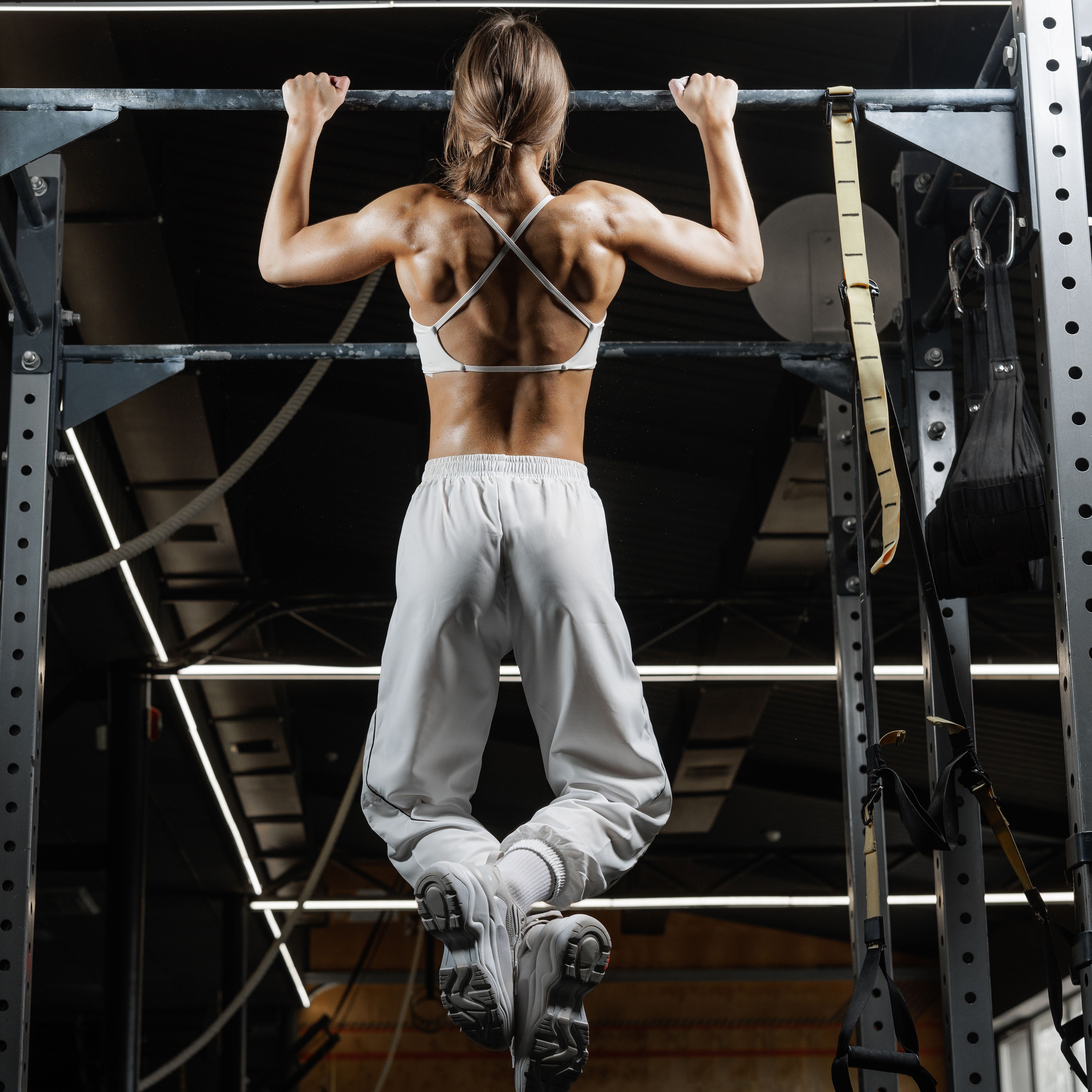
1. Pull-Ups
Pull-ups are one of the best exercises for building lat width and upper-body pulling strength. Grab the bar slightly wider than shoulder-width, pull your elbows down toward your sides, get your chin over the bar without swinging, and lower yourself with control.
Aim for 3 sets of 6 to 10 reps. Can't do one yet? Use an assisted machine or lat pulldowns. If 10 to 12 strict reps feel easy, add weight.
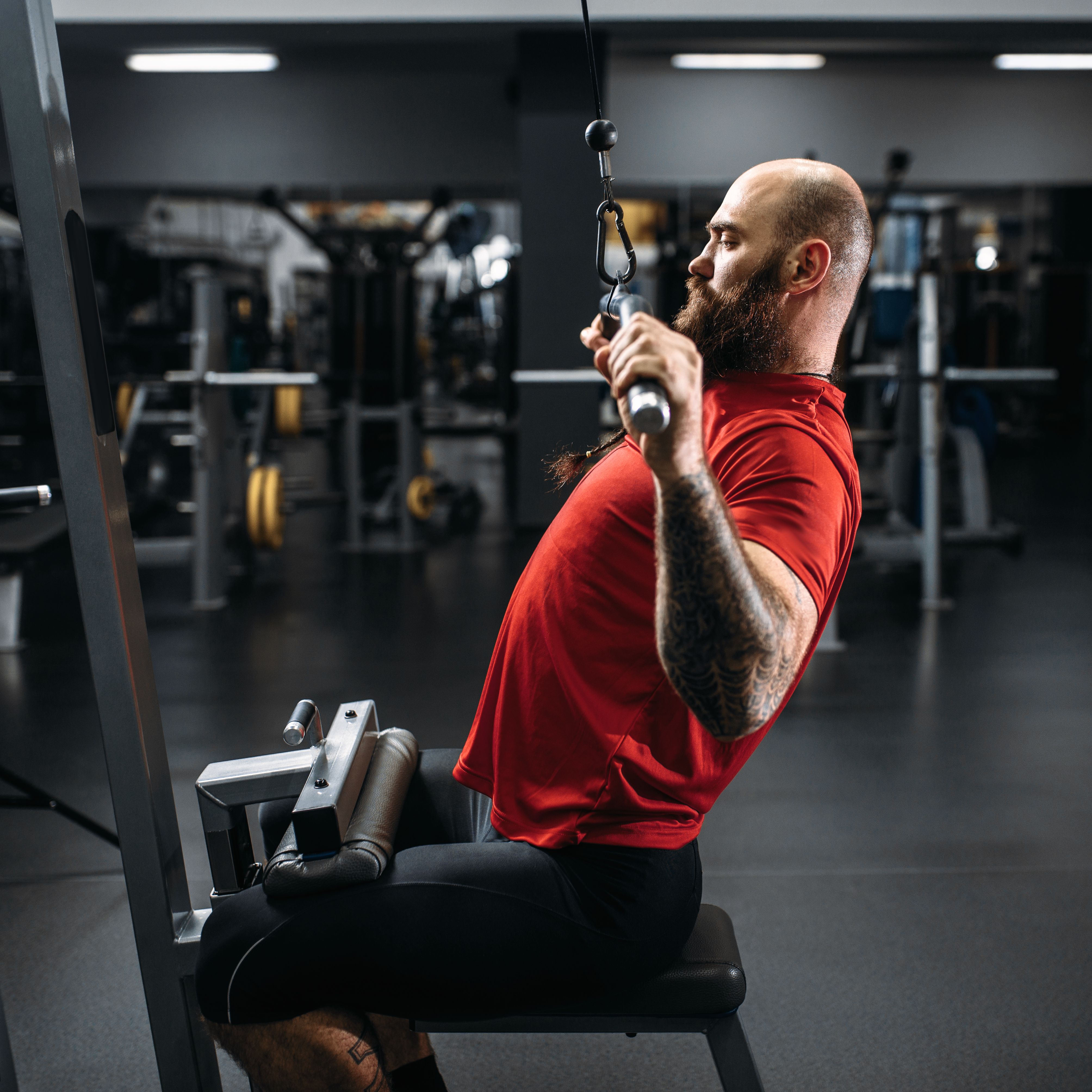
2. Lat Pulldowns
Pulldowns work the same muscles as pull-ups, but the resistance is much easier to adjust. That makes them perfect for beginners or anyone who wants more lat volume.
Pull the bar to your upper chest with a slight lean back, then let it rise slowly. Do 3 sets of 8 to 12 reps. Skip the behind-the-neck version and the big backward lean. The goal is to work your lats, not see how far you can tip over.

3. Chest-Supported Rows
Lying chest-down on an incline bench takes your lower back out of the equation. That's especially helpful when your erectors are already tired from other lifts.
Pull your elbows back without lifting your chest, squeeze briefly, and lower with control. Go for 3 sets of 8 to 12 reps. Tuck your elbows to target the lats, or flare them a bit to hit more upper back.
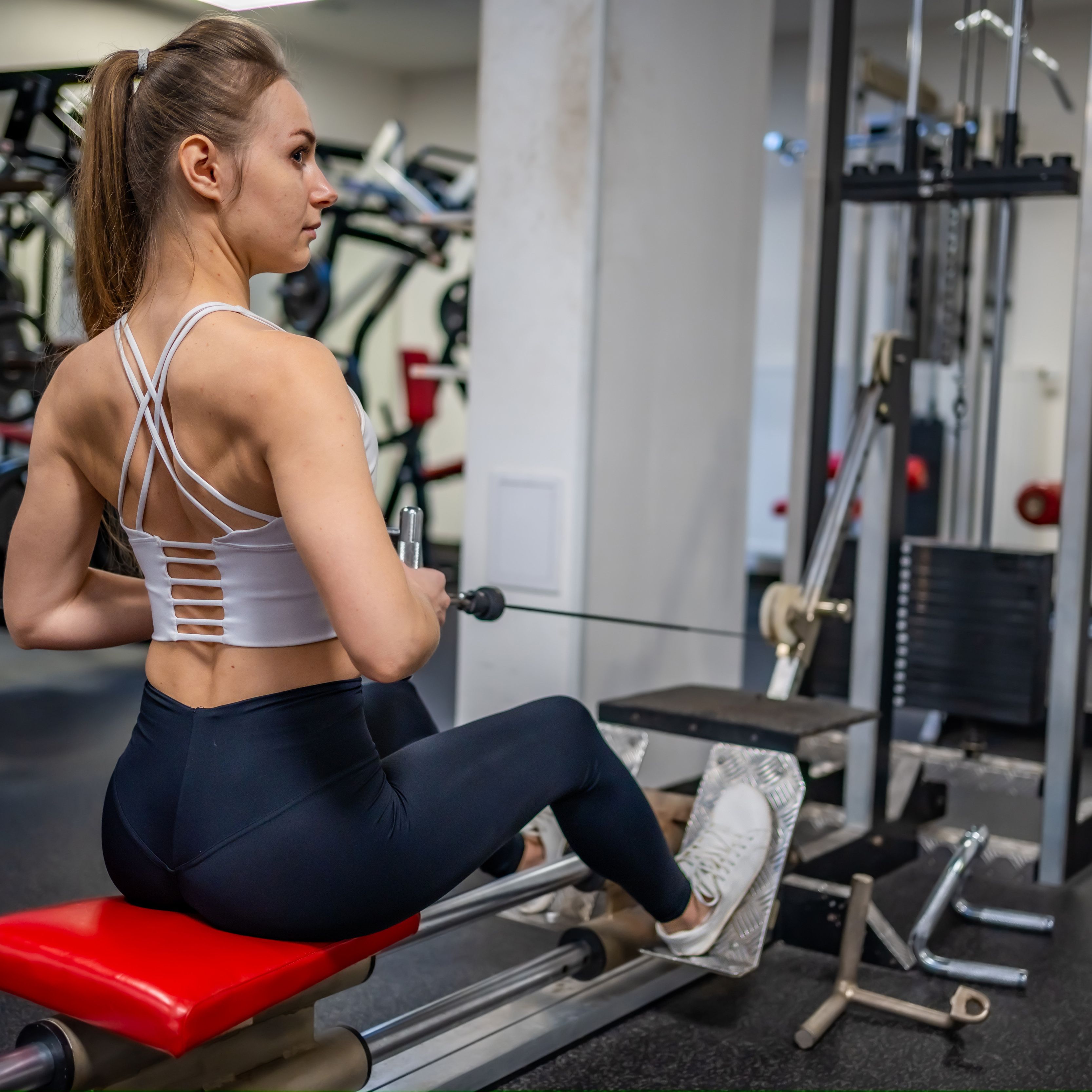
4. Seated Cable Rows
Cable rows give steady resistance and are easy to progress. Reach forward into a comfortable stretch, pull the handle toward your lower ribs, and extend slowly. Do 3 sets of 10 to 12 reps.
A little torso movement is fine. A full-body rocking motion is not. Let your back do the work.
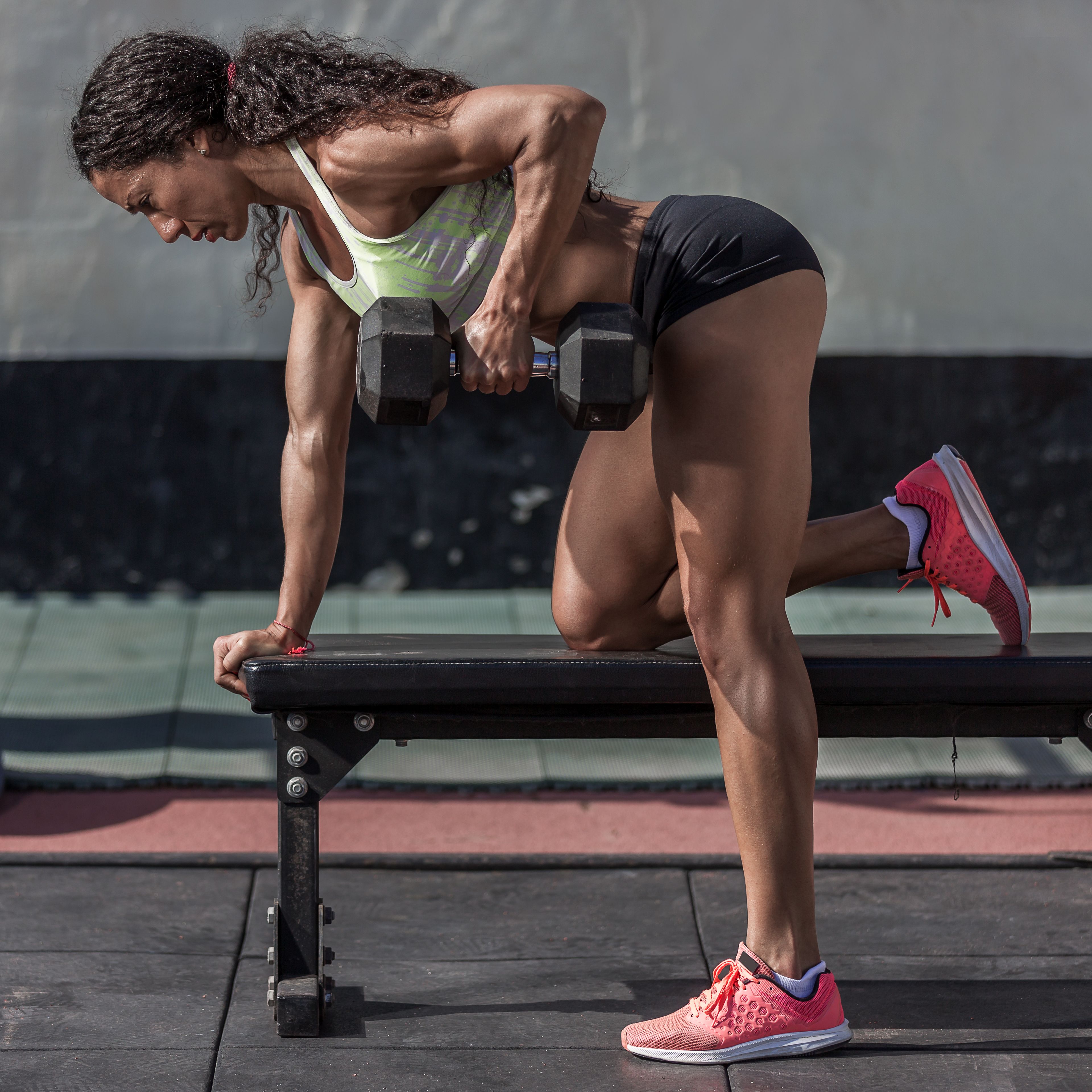
5. One-Arm Dumbbell Rows
Training one side at a time helps you spot differences in strength and control between your left and right. Brace on a bench, pull the dumbbell toward your hip, and keep your elbow close. Do 3 sets of 8 to 12 reps per side.
Don't twist your whole torso just to move a heavier weight.
6. Romanian Deadlifts
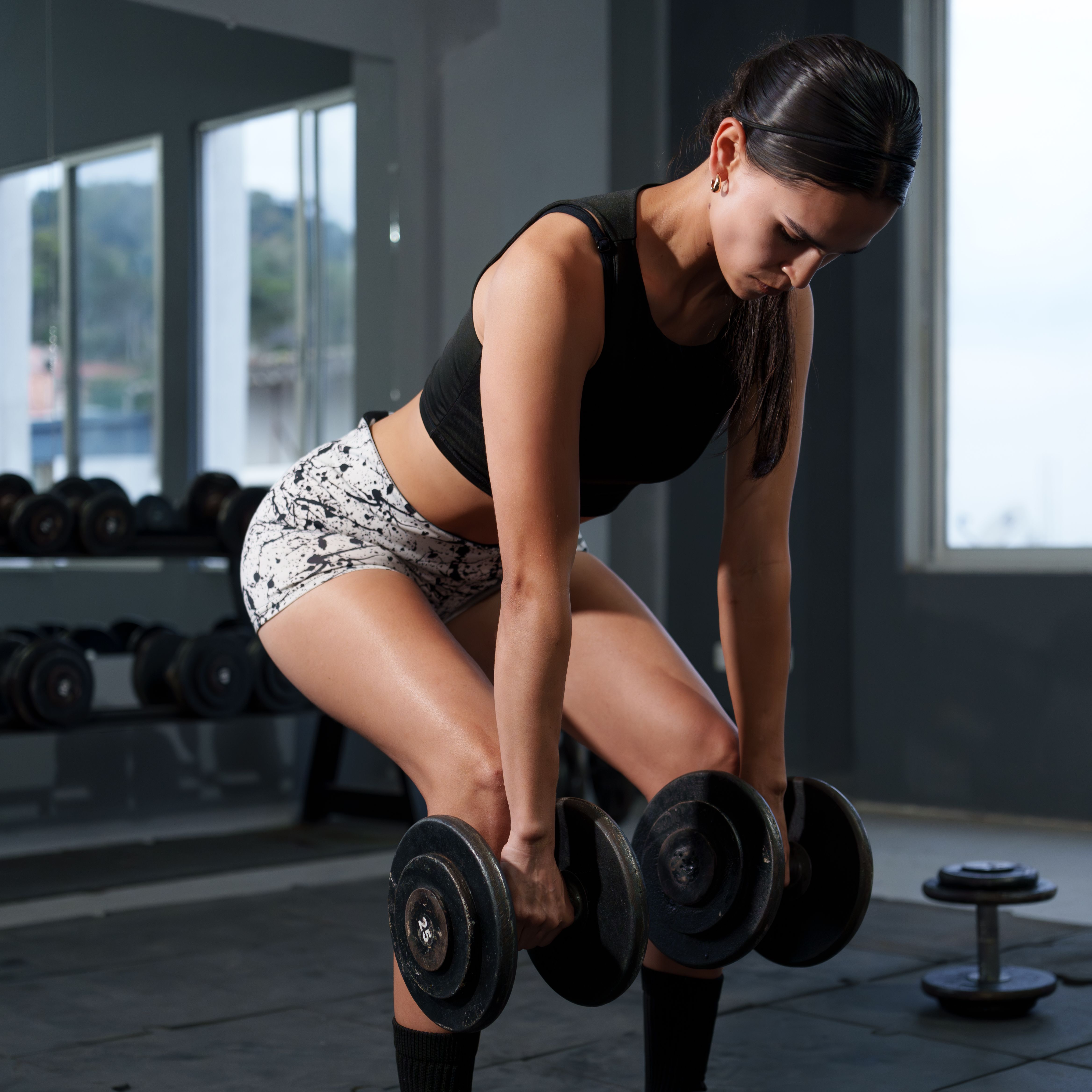
RDLs mainly train your hamstrings and glutes, but your spinal erectors work hard to keep you stable. With soft knees, push your hips back, lower the bar close to your legs until you feel a hamstring stretch, then drive your hips forward to stand. Do 2 to 3 sets of 6 to 10 reps.
Since they also tire out your hamstrings, they often fit better on a lower-body day.
How Much Should You Train Your Back?
You don't need to max out every set. You need weights that make the last few reps tough while your form stays solid.
A good starting point for most lifters is training your back twice a week, totaling about 10 to 16 challenging sets. Stay in the 6 to 12 rep range for big pulls and 10 to 15 for accessories. Rest 2 to 3 minutes after heavy sets and 1 to 2 minutes after lighter ones. Most sets should end 1 to 3 reps short of failure.
These are starting points, not rules. Beginners can grow on less, and experienced lifters may need more.
Why twice a week? Research shows that when weekly volume is equal, frequency on its own doesn't make a big difference in growth. But splitting 12 sets into two sessions of six makes it a lot easier to keep every set high quality instead of fading by the last exercise.
FitnessAI can organize training around your available days and equipment, so you don't have to rebuild your program every time your schedule changes.

Putting Together a Back Workout
A solid back workout covers three patterns: a vertical pull (pull-ups or pulldowns), a horizontal pull (rows), and some spinal support work like deadlifts or back extensions when it makes sense. You don't need all three every session, especially if your leg days already include hinges.
Beginner workout: Lat pulldowns for 3 sets of 10 to 12, seated cable rows for 3 sets of 10 to 12, and chest-supported dumbbell rows for 2 sets of 10 to 12. Do it once or twice a week. Once you hit the top of the rep range with good form, go up a little in weight.
Intermediate workout: Pull-ups (assisted if needed) for 3 sets of 6 to 10, chest-supported rows for 3 sets of 8 to 12, one-arm dumbbell rows for 2 sets of 10 to 12, and straight-arm cable pulldowns for 2 sets of 12 to 15. Pair it with a second back session during the week and adjust your total weekly volume instead of just doubling everything.
Only have 20 minutes? Do 3 sets of lat pulldowns, 3 sets of chest-supported rows, and 2 sets of seated cable rows. Keep transitions quick and rest long enough to maintain good form.
A short workout won't give you as much volume as a long one, but it still moves you forward. FitnessAI builds workouts for sessions lasting 5 to 30 minutes, adjusting exercise selection, sets, and reps to fit the time you have.
Progressive Overload: The Real Driver of Growth
If you repeat the same back workout for months, your muscles have little reason to grow. Progressive overload means slowly increasing the challenge as you adapt.
It isn't just about adding weight. More reps, a fuller range of motion, or better control all count too.
Here's a simple example. Say you're doing lat pulldowns with 80 pounds and getting 10, 9, and 8 reps. Over the next couple of weeks, you push those numbers up until you hit 12 reps on all three sets. Then you move to 85 pounds and start building again. You earned the jump by improving at the lower weight first. That's called double progression, and it works well for most strength exercises.
How FitnessAI Takes the Guesswork Out of Progress
Keeping track of every weight, rep, and past workout gets tedious fast.
FitnessAI's progressive overload engine uses your workout history and training data to recommend sets, reps, and weights. When your performance improves, your recommendations go up. When your recovery or performance indicates a lighter day is better, the app adjusts accordingly.
Instead of adding weight just because it's a new week, you follow a progression based on what you've actually done.
Show up. FitnessAI handles the plan.
Why Your Back Isn't Growing: 6 Common Mistakes
If you've been consistent but stuck, you probably don't need a new program. A few tweaks usually do it.
1. Too much momentum. Swinging and jerking the weight takes work away from your back and makes progress hard to measure. Use a weight you can control.
2. Only training one pulling pattern. Three pulldown variations won't cover everything. Combine vertical pulls with rows.
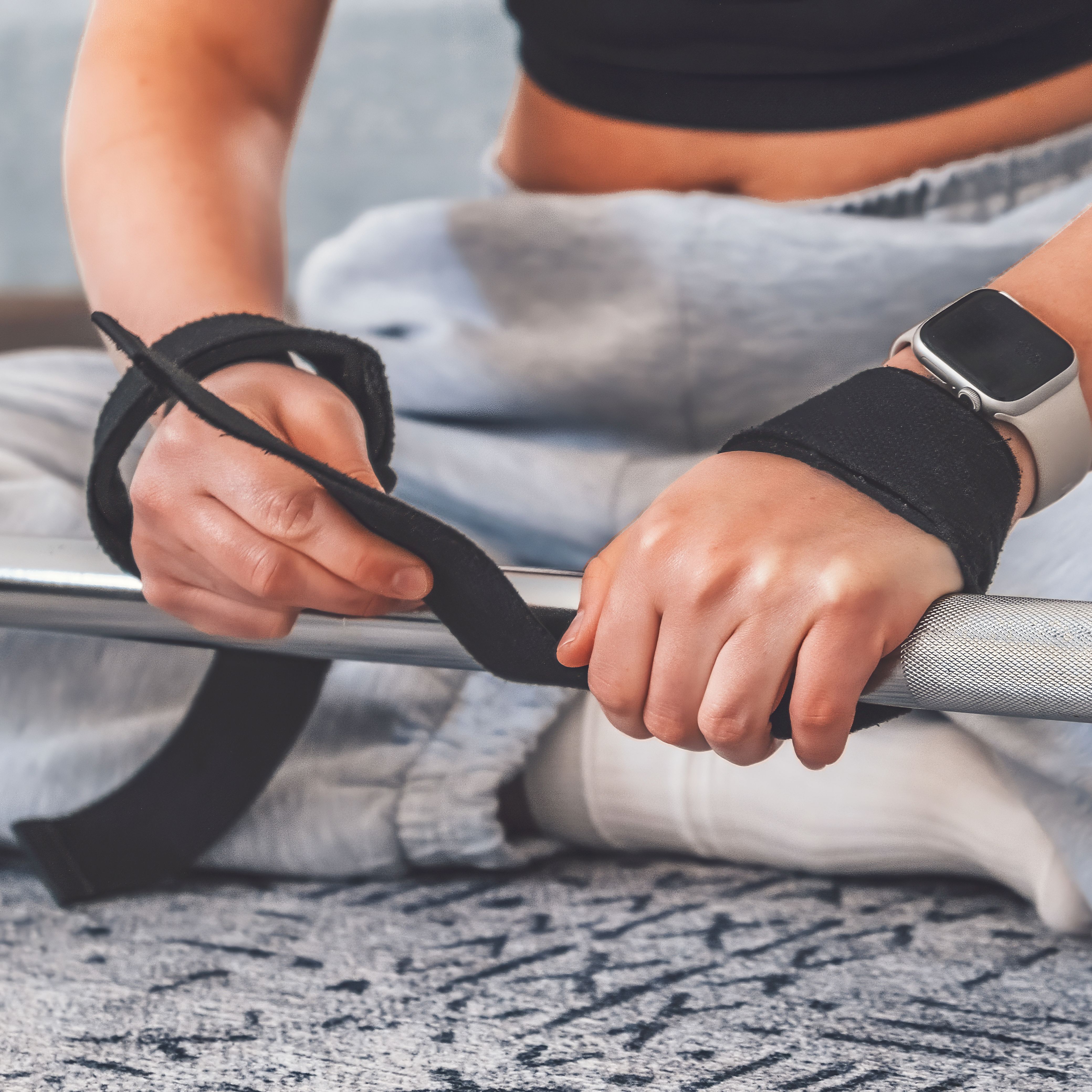
3. Letting grip hold you back. If your forearms give out before your back does, try lifting straps on some heavy sets. You can still train grip separately.
4. Changing exercises too often. If your row variation changes every week, it's hard to know if you're getting stronger. Stick with a few main lifts for several weeks and switch only when there's a good reason.
5. Ignoring recovery. More isn't always better, especially if you're also deadlifting and squatting heavy. Spread out your hard sessions and cut back on volume when performance drops. FitnessAI's recovery-aware adjustments factor in your recent training and performance when determining how hard each workout should be.
6. Not tracking. Small improvements are easy to miss when you don't remember last week's numbers. Track your sets, reps, and weights, and look for trends across weeks. FitnessAI automatically logs your training history, making it easy to see when you're improving and when your program needs to adapt.
Can You Build a Bigger Back at Home With Dumbbells?
Yes. As long as you have enough resistance and keep pushing yourself, dumbbells can get the job done.
A simple home session could include one-arm rows, bent-over dumbbell rows, reverse flys, and dumbbell Romanian deadlifts. That covers horizontal pulling, upper-back work, and posterior-chain strength. The only thing missing is a vertical pull, so add pull-ups if you have a safe bar.
If your dumbbells feel too light, use more reps, slower reps, and single-arm variations. Eventually, though, you'll need more weight to keep progressing.
FitnessAI's equipment-based adaptation creates sessions around what you have, whether that's a full gym, a home setup, or a pair of dumbbells in a hotel room. Smart exercise substitutions step in when a machine isn't available, so your workout's purpose stays the same even when the equipment doesn't.
How Long Does It Take?
It depends on your starting point, experience, nutrition, and recovery. Most beginners notice strength gains within a few weeks. Visible muscle takes longer, so judge your strength over weeks and your appearance over months.
Don't rely on the mirror alone. Check whether your rows and pulldowns are getting stronger, whether you're getting more reps at the same weight, and whether your form and range of motion are improving.
FitnessAI's BodyScan technology tracks visual changes over time without making the scale your only measure. Combine that with your strength history and you get a much clearer picture of how your training is working.
What About Protein?
Your workouts are only part of the equation. Protein supports muscle repair and growth, and eating enough overall helps fuel training and recovery.
For most healthy adults trying to build muscle, a good evidence-based range is about 1.4 to 2.0 grams of protein per kilogram of body weight per day. For a 160-pound person, that's roughly 100 to 145 grams. These are general guidelines, not personal prescriptions.
You don't need a perfect meal schedule. Getting enough protein consistently throughout the day matters much more than timing it to the minute.
Quick Answers to Common Questions
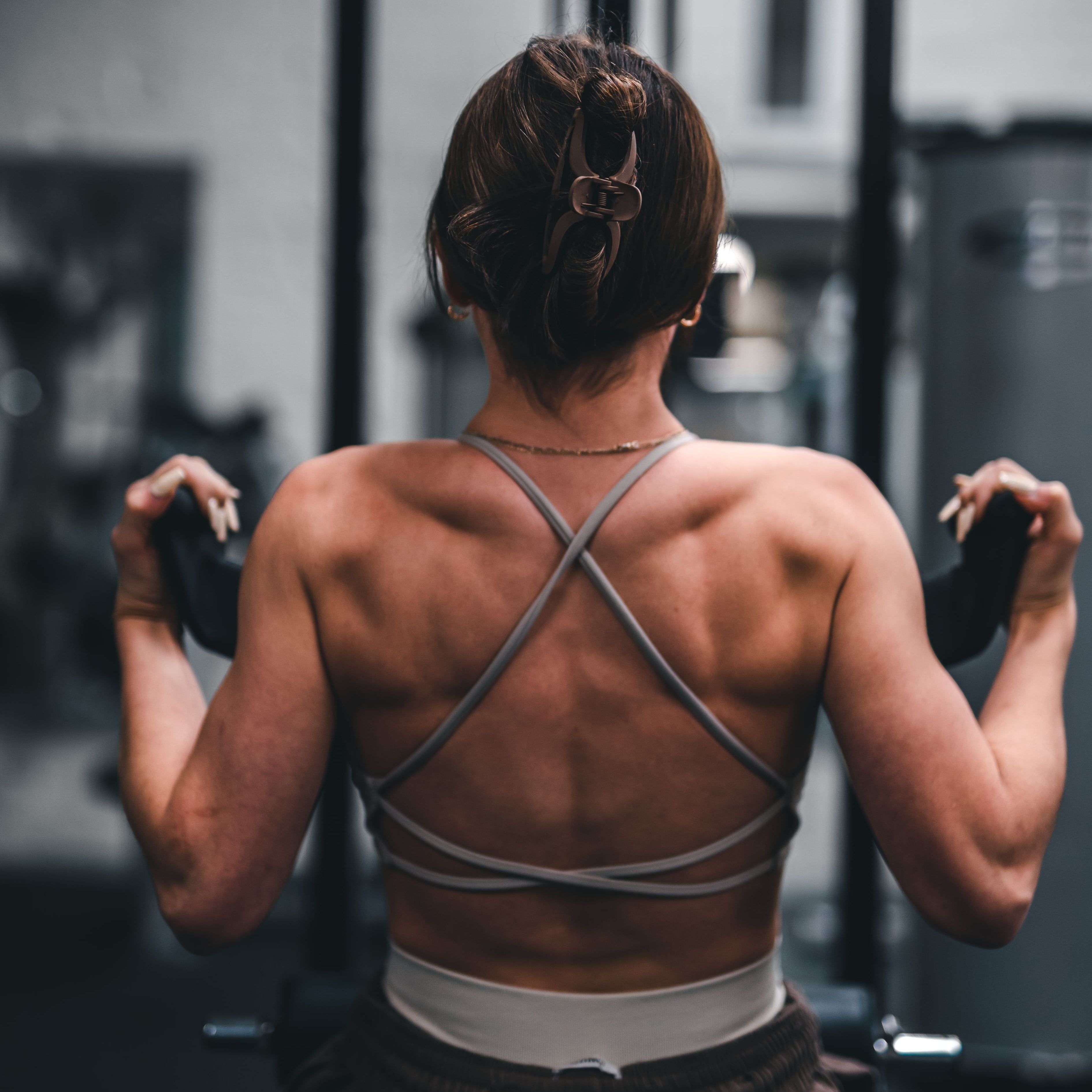
What's the single best back exercise? There isn't one. Pull-ups and pulldowns are great for lats, while rows build both lat size and upper-back thickness. A mix works best.
How many back exercises per workout? Two to four is plenty when the sets are challenging. Choose movements that cover different patterns.
Do I need deadlifts? No. They're useful for posterior-chain strength, but you can build a big back with pull-ups, pulldowns, and rows.
Should I train to failure? Not every set. Stopping one to three reps short gives a strong growth stimulus while keeping fatigue in check.
What's the best split? Push-pull-legs, upper-lower, and full-body splits all work. Choose the one that fits your schedule and lets you train your back consistently.
The Bottom Line
A bigger back doesn't require endless exercises or marathon sessions. It takes the right movements, enough challenging sets, steady progress, and time to recover.
Start with rows and pulldowns. Train your back regularly, track your numbers, and increase the challenge when you're ready. Then give it time to work.
If you'd rather spend less time planning and more time lifting, FitnessAI builds strength workouts around your goals, schedule, and equipment. Your weights, reps, and sets adjust as you progress, so you always know what to do when you walk into the gym.
Start building a stronger you with FitnessAI!
Alyssa Gonzalez
